
The use of corrugated boxes has become an essential practice in the shipping and storage industries, thanks to their unique combination of strength, lightweight characteristics, and versatility. According to a report by Smithers Pira, the global market for corrugated packaging is projected to reach approximately $300 billion by 2025, highlighting the increasing reliance on these packaging solutions. This upward trend is driven not only by the boost in e-commerce but also by the growing demand for sustainable packaging options.
Industry expert Dr. Michael Smith, a leading authority in packaging technology, emphasizes the significance of corrugated boxes, stating, “Corrugated boxes provide the perfect balance of protection and sustainability, making them the preferred choice for countless businesses across the globe.” As organizations continue to seek effective means to transport goods safely while minimizing environmental impact, the role of corrugated boxes is more pivotal than ever. This article delves into the top 10 benefits of using corrugated boxes for shipping and storage, illustrating why they are considered a cornerstone in modern logistics and warehousing solutions.

Corrugated boxes have become an essential choice for shipping and storage due to their numerous advantages. One of the primary benefits is their exceptional strength and durability. Made from layered materials, these boxes are designed to withstand significant weight and pressure without losing their structural integrity. This makes them ideal for shipping a variety of products, from fragile items to heavy machinery. Their resilience also means that goods are less likely to be damaged during transit, leading to fewer returns and enhanced customer satisfaction.
In addition to their strength, corrugated boxes are lightweight, which helps reduce shipping costs. The lighter weight allows companies to ship more products at once, optimizing space and reducing fuel consumption. Furthermore, these boxes are eco-friendly, as they are made from recyclable materials and can be reused multiple times. This sustainability aspect not only appeals to environmentally conscious consumers but also helps businesses minimize their carbon footprint. Additionally, the versatility of corrugated boxes allows for easy customization in size and design, catering to various products and brand presentations, making them a preferred option for companies looking to balance cost-efficiency with effective packaging solutions.
Corrugated boxes have become the preferred choice for shipping and storage due to their unmatched durability and strength. According to a report by the International Corrugated Packaging Foundation (ICPF), corrugated boxes can withstand significant weight and pressure, making them ideal for protecting goods during transportation. Their multi-layered structure provides exceptional resistance to crushing, ensuring that products inside remain intact even under challenging conditions. In fact, studies have shown that well-designed corrugated boxes can handle loads of up to 300 pounds without compromising their integrity, a feature that outperforms many other packaging materials.
Furthermore, the moisture-resistant properties of corrugated boxes enhance their durability, allowing them to perform well in various environments. A recent survey indicated that approximately 25% of damages during shipping can be attributed to inadequate packaging, emphasizing the importance of using robust materials. The strength of corrugated boxes is not only beneficial during transit but also when items are stored for long periods. Their ability to withstand stacking and layering without deformation means that businesses can utilize vertical space effectively, optimizing warehouse operations and reducing costs. This combination of strength, resilience, and space efficiency makes corrugated boxes a standout choice for businesses looking to enhance their shipping and storage solutions.
When it comes to shipping and storage, the lightweight yet sturdy nature of corrugated boxes offers significant advantages that can directly affect shipping costs. According to the Fibre Box Association, corrugated boxes are approximately 30% lighter than traditional alternatives, which leads to reduced shipping expenses. This is particularly crucial as shipping rates are largely determined by weight and dimensional volume. The lightweight structure allows businesses to optimize their shipping logistics, potentially saving thousands of dollars annually, especially for companies that ship large volumes of goods.
Moreover, the durability of corrugated boxes ensures that products are well-protected during transit, reducing the likelihood of damage and subsequent losses. Research by the International Corrugated Case Association reveals that utilizing corrugated packaging can decrease product damage rates by up to 40%. This not only minimizes costs associated with returns and replacements but also enhances customer satisfaction due to the reliability of packaging. As e-commerce continues to grow, businesses that utilize corrugated boxes can optimize delivery efficiency and drive down shipping costs, making their operations more competitive in the marketplace.
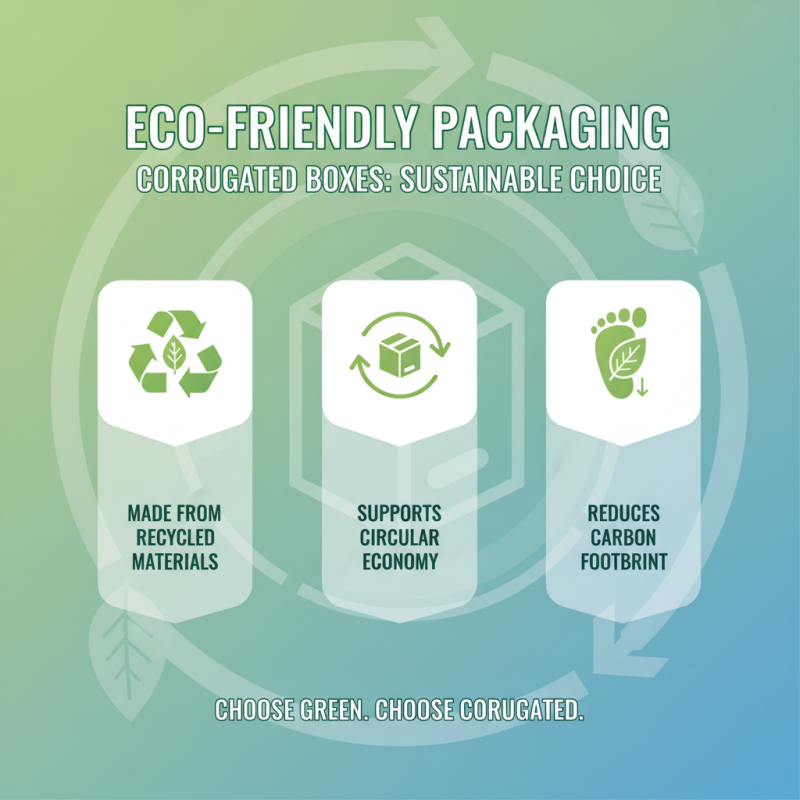
Corrugated boxes have become a popular choice in shipping and storage, largely due to their eco-friendly nature. Made from recycled materials, corrugated packaging contributes to reducing waste and supports a circular economy. Manufacturers are increasingly adopting sustainable practices, ensuring that their materials can be repurposed or recycled after use. By choosing corrugated boxes, businesses and consumers alike can diminish their carbon footprint, making a positive impact on the environment.
When utilizing corrugated packaging, there are several tips to consider. First, select boxes made from post-consumer recycled content to further enhance sustainability. Additionally, opt for boxes that are designed for easy disassembly and recycling. Lastly, take advantage of reusable boxes when possible, as they not only reduce waste but are often more durable for multiple uses.
Sustainability in corrugated packaging also extends to the supply chain. Many suppliers are committed to eco-friendly practices, such as using water-based inks and adhesives, reducing energy consumption during production, and optimizing the transportation of their products. Implementing these considerations helps ensure that your shipping methods are not only efficient but also aligned with environmentally responsible practices.
Corrugated boxes have emerged as a staple across various industries due to their remarkable versatility and cost-effectiveness. According to a report by Smithers Pira, the global corrugated packaging market is projected to reach $320 billion by 2024, driven by an increased demand in sectors such as e-commerce, food and beverage, and consumer goods. One of the key advantages of corrugated boxes is their lightweight yet strong structure, which not only allows for efficient shipping but also reduces transit costs—a factor that many businesses are keen to leverage in today's competitive market.
In the food industry, for instance, corrugated boxes provide a protective environment while ensuring that perishables remain fresh. Their ability to withstand humidity and variations in temperature makes them ideal for transporting fruits, vegetables, and other food items. Meanwhile, in the electronics sector, corrugated packaging helps prevent damage during transit, ensuring products reach consumers in perfect condition. As the industry evolves, more sectors are adopting sustainable practices, and corrugated boxes, often made from recyclable materials, fit perfectly into this trend.
Tips: When selecting corrugated boxes for shipping, consider the specific needs of your products. Use double-walled boxes for heavier items to offer extra protection. Additionally, don’t overlook the importance of proper labeling—clear instructions help ensure your packages are handled appropriately throughout their journey. Lastly, always stay informed about the latest advancements in packaging technology to optimize your shipping strategies.