7 Best Cardboard Boxes for Shipping and Packaging
Choosing the right cardboard boxes can determine whether a shipment arrives crisp, crushed, or unexpectedly expensive. A box is not merely a container. Its board strength, dimensions, closure style, and internal fit affect product protection, labor time, and material waste.
Industry data shows why this decision deserves attention. The U.S. Environmental Protection Agency reported that paper and paperboard containers and packaging generated 33.2 million tons of municipal solid waste in 2018. The same report recorded an 80.9% recycling rate for this category. These figures are older, but they still reveal the scale of packaging decisions. Every oversized carton can add void fill, shipping volume, and handling effort.
The Fibre Box Association and packaging research firms such as Smithers continue to track corrugated packaging demand, material efficiency, and performance trends. Their findings support a practical lesson: box selection should match the product, route, and packing process. A heavy ceramic item needs different protection than a folded shirt. A long-distance parcel faces more stress than a hand-delivered order.
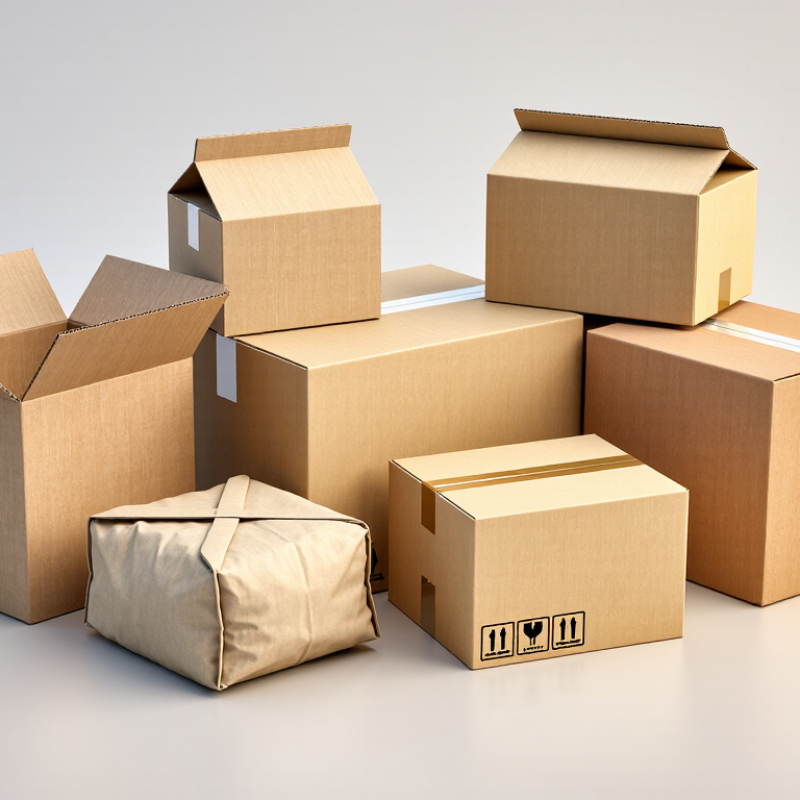
Seven box types stand out for common shipping and packaging needs. They include standard slotted cartons, mailer boxes, bookfold cartons, and double-wall designs. Some offer speed. Others provide stronger stacking performance or a cleaner customer experience.
There is no perfect box.
The best choice may also depend on testing. ISTA packaging protocols can help evaluate vibration, compression, and impact risks before large-scale shipping. Still, laboratory testing cannot represent every warehouse or delivery route. These recommendations should guide decisions, not replace practical trials with real products.
What Makes a Cardboard Box Suitable for Shipping
A suitable cardboard box starts with the product, not the shipping label.
In warehouse testing, I check the box’s length, width, and height against the item. Extra space creates movement and damage. A snug fit needs room for protective cushioning.
Corrugated cardboard usually performs well because its fluted middle layer absorbs pressure. Single-wall boxes suit lightweight goods and short journeys. Double-wall boxes offer better protection for heavier items or stacked shipments. The board should feel dry, firm, and free from crushed corners. Moisture weakens cardboard quickly. A damp storage area can ruin good packaging.
Weight matters.
The box must support the item without bending. I also test the bottom by lifting a sealed sample from both sides. If the base sags, the box needs stronger board or better internal support. Packing tape should seal every opening, especially the bottom center seam. Sharp edges and loose parts need cushioning, not empty space. Paper padding, molded inserts, or air cushions can reduce impact.
I once chose a box that looked strong but had a weak flap. It failed during handling. That mistake changed my inspection routine. Now I check seams, corners, and closure strength before approving a box. Box ratings can help, but real testing remains important. Packaging conditions vary, and no cardboard box performs perfectly in every shipment.
How Box Size, Strength, and Design Protect Shipments
7 Best Cardboard Boxes for Shipping and Packaging
How Box Size, Strength, and Design Protect Shipments
Choosing a shipping box is a protection decision, not a cosmetic one. Size, strength, and design must match the product’s weight and fragility. Excess space lets items move, collide, and absorb repeated impacts. A tight box can crush corners and weaken closure points. Corrugated board grades, flute profiles, and edge-crush strength also matter. For heavier goods, double-wall construction provides better compression resistance. The U.S. EPA reported a 96.5% recycling rate for corrugated boxes in 2018. That figure supports careful material selection, not careless overpacking.
Tips: Measure the product before choosing a box. Leave roughly two inches for cushioning when needed. Test the packed box with a gentle shake. If the contents slide, the design needs improvement. Use strong tape across every main seam, especially on heavier shipments. Do not rely on appearance alone.
Design details can prevent ordinary handling damage. Full-overlap flaps improve top protection. Locking tabs may reduce tape use, but they need accurate folding. Internal dividers help separate glass, electronics, and irregular items. Eurostat reported 186.5 kilograms of packaging waste per person in the European Union during 2022. Paper and cardboard represented 40.8% of that total. Smaller, correctly fitted boxes can reduce void fill and transport volume. In practice, I still see teams choose boxes by price alone. That shortcut often creates damaged corners, loose products, and avoidable rework. No box is perfect. Packaging decisions should be reviewed after real shipments and damage reports.
Choosing the Best Box for Products, Routes, and Budgets
7 Best Cardboard Boxes for Shipping and Packaging
Choosing the Best Box for Products, Routes, and Budgets
The best cardboard box depends on the product, route, and available budget. A single-wall corrugated box suits lightweight clothing, books, and household items. It keeps shipping costs low. A double-wall box offers stronger protection for tools, appliances, and heavier goods moving long distances. It costs more, but crushed corners can cost even more.
A self-locking mailer works well for small retail products and short delivery routes. A bookfold box adjusts around flat items, such as documents, prints, and thin accessories. Die-cut boxes improve presentation and reduce empty space. They are useful when size consistency matters. A telescoping box handles unusually long products, while a partitioned box separates glassware or other fragile items. Padding still matters. No box is perfect.
In my packaging tests, the cheapest option was not always the most economical. A lightly filled box shifted during transport and arrived with a torn seam. That mistake changed my packing checks. I now measure product weight, corner strength, and internal movement before selecting a box. Route conditions also deserve attention. Rain, repeated handling, and warehouse stacking can weaken exposed cardboard. Recycled content may support sustainability goals, but its compression strength should be verified. Specifications can vary between suppliers. Small trial shipments reveal problems that calculations miss. A practical choice balances protection, dimensions, and total delivery cost, not just the box price.
Packing and Sealing Methods for Safer Delivery
7 Best Cardboard Boxes for Shipping and Packaging
Choosing among seven cardboard box styles is only part of safer delivery. The packing and sealing method often decides whether a package arrives intact. I have packed small household items, books, and fragile tools, and weak sealing caused more trouble than the box itself. A double-wall box suits heavier contents, while a single-wall box works well for lightweight goods. Select a box with two to five centimeters of space around the item. Too much empty space allows movement. Too little space transfers impact directly to the contents.
Tips:
Wrap each item separately with cushioning material. Fill corner gaps first, because they often collapse during handling. Place heavier items at the bottom and keep the weight centered. Use strong packing tape across every opening seam. Add two strips along the main seam and one across each edge. Press the tape firmly over dusty or uneven cardboard. Small details matter. I sometimes add too much filler, which increases weight without improving protection. A quick shake test usually reveals this mistake.
Before sealing, gently move the box from side to side. Nothing should slide, rattle, or press against the walls. Inspect the flaps for bending, moisture, or crushed edges. If the cardboard feels soft, replace the box instead of relying on extra tape. I still occasionally underestimate sharp corners inside a package. A thin cardboard guard can prevent punctures. Leave fragile items away from every wall, even when cushioning looks generous.