Best Shipping Boxes in China for Global Buyers?
In today's global market, shipping boxes play a crucial role in logistics. They ensure products reach their destinations safely and efficiently. Many international buyers turn to China for their shipping needs, given the country's vast manufacturing capabilities.
Choosing the right shipping boxes is essential. A wrong choice can lead to damage and increased costs. Buyers need to assess box quality, size, and material. It’s not just about cost; it’s about reliability too. Many options exist, but not all are equal.
Buyers must consider their specific requirements. Are the boxes eco-friendly? Do they meet international shipping standards? Understanding these factors is vital. The commitment to quality in shipping boxes will ultimately reflect the professionalism of a business.
Understanding the Different Types of Shipping Boxes Available in China
When sourcing shipping boxes in China, it's essential to know the types available. Corrugated boxes dominate the market due to their durability and light weight. According to industry reports, over 70% of packaged goods rely on these boxes for shipping. They provide adequate protection and are easily customizable, which benefits global buyers.
Another common type is rigid boxes. These solid structures are ideal for high-value items, offering superior protection and a premium look. Their production can be more costly, making them less popular for everyday use. Yet, they play a vital role in sectors like electronics and cosmetics. Research shows that nearly 30% of luxury brands choose rigid boxes, valuing their ability to enhance product appeal.
Moreover, flexible packaging is gaining traction. This type includes pouches and bags, catering to the food and beverage industry. Reports indicate a significant growth rate of 5-10% annually in this sector. While flexible options often reduce waste, they also create challenges in recyclability. Buyers must weigh ecological impact against shipping efficiency when choosing packaging.
Best Shipping Boxes in China for Global Buyers
| Box Type |
Material |
Weight Capacity |
Dimensions (cm) |
Unit Price (USD) |
| Regular Slotted Container (RSC) |
Corrugated Cardboard |
30 kg |
30 x 30 x 30 |
0.50 |
| Die-Cut Box |
Single Wall Board |
20 kg |
25 x 25 x 25 |
0.70 |
| Durable Shipping Box |
Double Wall Board |
50 kg |
40 x 40 x 40 |
1.20 |
| Flat Pack Box |
Cardstock |
15 kg |
50 x 20 x 10 |
0.30 |
| Mailer Box |
Rigid Board |
10 kg |
30 x 25 x 5 |
0.40 |
Factors to Consider When Selecting Shipping Boxes for Global Shipping
When selecting shipping boxes for global shipping, several key factors come into play. Consider the material of the box. Corrugated cardboard is a popular choice due to its strength and lightweight nature. It provides excellent protection for items during transit. However, some products may require sturdier options, such as wooden crates or plastic containers. Balancing weight and strength is crucial.
Another important factor is the size of the box. Choosing the right dimensions can minimize shipping costs. Oversized boxes can lead to higher expenses. On the other hand, too small a box may not adequately protect the contents. It’s vital to measure items before selecting the box to ensure a proper fit.
Cost is always a factor. While cheaper boxes may seem attractive, they often compromise on quality. This can lead to damages during shipping. Investing in reliable boxes is wise for protecting goods. Also, consider the environmental impact of the packing materials. Sustainable options are becoming more popular among conscious buyers. Always aim for a balance between cost, quality, and sustainability.
Top Manufacturers of Shipping Boxes in China for International Buyers
When exploring the world of shipping boxes, China stands out as a key player. Numerous manufacturers offer a range of styles, sizes, and materials. This variety makes it challenging for international buyers to find the best options. A deep understanding of what constitutes quality is essential.
Top manufacturers in China produce boxes made from corrugated materials and recycled paper. These materials ensure strength and durability, which are critical for shipping. Many factories prioritize eco-friendly practices, which appeal to global consumers. However, not all manufacturers meet the same standards. Buyers should research carefully to avoid subpar products. Checking customer reviews and production capabilities can provide valuable insights.
Engaging directly with manufacturers allows buyers to ask questions and clarify specifications. Effective communication can also resolve potential issues. The shipping process can be complex, so delays may occur. Being prepared for setbacks is necessary. Flexibility can benefit buyers navigating the international shipping landscape.
Cost Analysis of Shipping Boxes in China: What to Expect
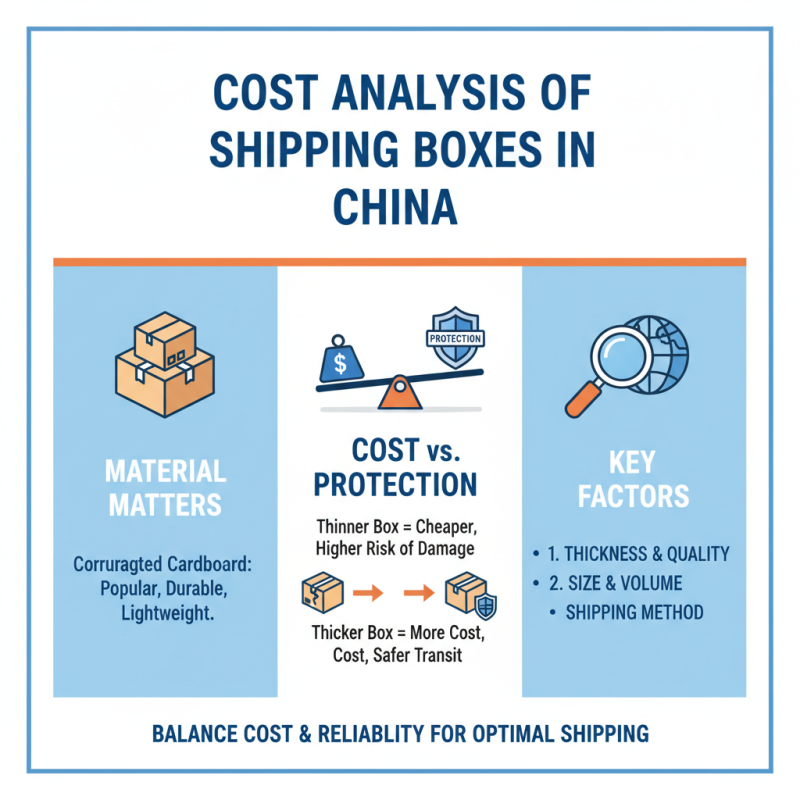
When analyzing the cost of shipping boxes in China, various factors come into play. The material of the boxes significantly impacts pricing. Corrugated cardboard, for example, is a popular choice due to its durability and lightweight nature. However, the cost may vary based on the thickness and quality. A thinner box may save money but could risk damage during transit. Therefore, it is crucial to assess the balance between cost and protection.
Another important consideration is the size and customization of shipping boxes. Standard sizes can be cheaper, but custom boxes may be necessary for specific products. These tailored options may lead to higher costs, yet they offer better protection and branding opportunities. Buyers often overlook these details, which can affect the overall shipping experience.
Finally, shipping costs themselves also add to the overall expense. Weight and dimensions often dictate tariffs imposed by carriers. While comparing quotes from different carriers is necessary, understanding the infrastructure and logistics involved in shipping from China is equally vital. Ignoring local regulations and practices may result in unforeseen costs and delays. It's essential for global buyers to navigate this landscape with careful analysis and informed choices.
Best Practices for Packing and Shipping with Chinese Suppliers
When partnering with Chinese suppliers, packing and shipping practices greatly influence your success. A recent report from the International Logistics Association states that approximately 30% of shipped goods are damaged due to poor packaging. This statistic underscores the importance of selecting the right shipping boxes. For example, materials like double-walled cardboard can improve durability. In addition, using appropriate fillers—such as bubble wrap or packing peanuts—minimizes movement during transit.
Another aspect to consider is labeling. Proper labels not only expedite customs clearance but also prevent mishandling. A study by the World Trade Organization found that addressing mistakes in labeling can reduce shipping delays by 25%. Ensuring clarity and accuracy on packages is essential. Moreover, collaborating closely with your supplier can yield insights into the best shipping methods. They often possess invaluable experience navigating logistical challenges unique to specific regions.
Reflecting on these practices can shape your shipping strategy. Distinguishing between essential and non-essential materials might help to cut costs. A leaner, more efficient packing operation reduces waste. However, overlooking specific requirements may cause further issues. Balancing cost and protection is not always straightforward. Staying informed on best practices can lead to significant improvements.