How to Choose Cosmetics Packaging for Your Brand?

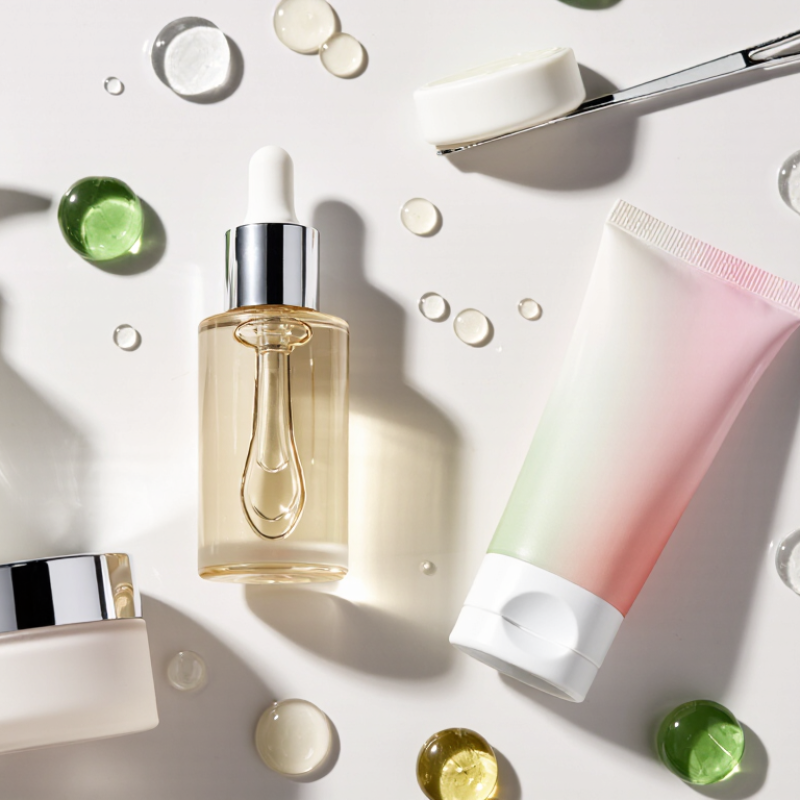
Cosmetics Packaging does more than hold a formula; it shapes how customers first encounter your brand. A glass serum bottle can feel reassuring, while a lightweight tube may suit a daily moisturizer better. Neither choice is automatically right. The best option depends on product texture, customer habits, budget, and the journey from filling line to bathroom shelf.

Small details matter. A pump can leave thick lotion trapped inside. A loose cap may fail during transit. For that reason, packaging decisions should start with the formula and real use conditions, not appearance alone. Check material compatibility, dispensing accuracy, closure fit, label space, and shipping weight. Then request samples and test them with the actual product. A supplier’s specifications are useful, but they cannot reveal every handling issue. Your team should compare practical options and record what works.

Sustainability also needs careful wording. Recyclability can vary by material, local collection systems, and package components, so avoid claims your evidence cannot support. This guide explores how to balance brand identity, customer experience, product protection, cost, and responsible material choices. It also considers where compromises appear. There may be no perfect package, and pretending otherwise would not help. A clear decision process can still lead to packaging that feels considered, works reliably, and fits your brand’s promises.

How to Choose Cosmetics Packaging for Your Brand?

Define Your Brand Identity and Product Requirements

A packaging choice should make the brand’s character visible before a customer reads the label. A quiet, clinical identity may suit a compact pump bottle with clear type and a matte finish. A playful line might call for softer shapes or a brighter color, provided the result still feels easy to use. Describe the intended impression in plain words, such as calm, precise, or warm. Keep it tactile.

Then translate those words into product requirements. A thick cream may need a wide opening or a pump tested with the actual formula. A thin serum can leak through a poorly matched closure, even when the bottle looks elegant.

Check how the material reacts to the formula, light, and repeated use; ask a packaging supplier for compatibility samples and test them over time. Small details matter. A cap that is hard to grip with damp hands can frustrate customers, while an oversized container may feel wasteful.

Review fill volume, dispensing control, label space, and shipping protection together. The first sample may look right and still fail after a week of use. That is useful feedback, not a reason to force the design.

Compare Packaging Formats and Materials

How to Choose Cosmetics Packaging for Your Brand?

Compare Packaging Formats and Materials

Start with the formula, how people use it, and the journey from filling line to bathroom shelf. Tubes work well for lotions and cleansers; their flexible walls help dispense most of the product. Jars give creams a wide opening, but fingers can introduce moisture or residue. Glass feels substantial and resists many ingredients, yet its weight and breakage risk matter in shipping. I wouldn’t call one format best. The trade-offs are annoyingly specific.

PET and PP plastics are light and practical for squeezable packs, while aluminum offers a durable, opaque option for light-sensitive formulas. Airless pumps can limit air exposure, but their extra parts may complicate material separation. In McKinsey’s 2023 global consumer survey, roughly 60–70% of respondents said they would pay more for sustainable packaging. That preference is not a guarantee of better disposal: the Ellen MacArthur Foundation reported that only 14% of plastic packaging was collected for recycling globally in 2016. This broad packaging figure is not specific to cosmetics.

Tips: Test the filled pack, not just an empty sample. Check leakage, dispensing, and compatibility after heat and cold exposure. Leaks ruin trust. Ask suppliers for material specifications and recycled-content documentation, then confirm local collection options. A lighter package may reduce shipping weight, but not if it needs extra protective layers.

Check Product Compatibility, Safety, and Regulatory Needs

Cosmetics packaging should protect the formula, not just look attractive on a shelf. Check that the product does not react with the container, pump, liner, or decoration. A thick cream may need a wide opening, while a runny serum can leak through a weak closure. Small details matter. Ask suppliers for material specifications, then test the filled package under realistic storage and shipping conditions.

Tips: Fill samples with your actual formula and watch for changes in color, scent, texture, or dispensing. Test seals, pump output, and leakage after temperature shifts and basic drop tests. Record results by batch. One early test may miss a slow reaction, so check samples over time.

Safety and regulatory needs vary by product and sales market. Confirm permitted packaging materials, required label information, and any rules tied to product claims with a qualified regulatory professional. Keep supplier documents and test records together, including material declarations and compatibility findings. Avoid choosing a package based on appearance alone. A clear bottle may expose light-sensitive formulas, and a beautiful pump may clog with a dense product. It is easy to overlook that. Recheck requirements when the formula, package, or target market changes.

Evaluate Usability, Sustainability, and Total Cost

A package should work with the product, not just look polished on a shelf. Test it with the actual formula: a thick cream may cling inside a narrow-neck bottle, while a watery serum can leak through a poorly fitted closure. Ask several people to open, use, and close samples with wet hands. Note whether the pump delivers a consistent dose and whether the label stays readable after handling. Small usability problems become daily annoyances.

Sustainability needs more than a material label. Compare the package’s weight, recycled content, refill options, and local recycling access. A glass jar may feel durable, but its weight can increase shipping impacts, and mixed-material components may be difficult to sort. Check whether pumps, liners, and caps separate easily. Be cautious with broad environmental claims; request specific material data from suppliers. Real trade-offs remain.

Calculate total cost per usable unit, not just the quoted price. Include tooling, decoration, shipping, storage, filling speed, breakage, and expected product left behind. A low-cost bottle may require extra protective cartons, while a more expensive pump could reduce spills and returns. Run a small production trial before committing to a large order. I would still leave room to revise the choice: early samples rarely reveal every production delay or customer habit.

How to Choose Cosmetics Packaging for Your Brand? — Evaluate Usability, Sustainability, and Total Cost
Packaging option Typical usability Sustainability considerations Indicative packaging cost Total-cost factors to check Best suited for
Glass jar or bottle Rigid and premium-feeling; heavier and breakable. A wide-mouth jar is easy to access but exposes more product to air and fingers than a suitable pump or tube. Glass can be recycled where collection and processing are available. Its weight increases shipping emissions, and lids, pumps, coatings, or mixed-material parts may need separation. Medium to high Consider glass weight, protective shipping materials, breakage risk, closures, and the cost of any protective outer packaging. Creams, serums, and products where a substantial feel or product visibility is important.
PET bottle Lightweight and impact-resistant compared with glass. Compatible closures and dispensing components depend on the product and design. PET is accepted in many recycling systems, but acceptance varies by location. Color, labels, residue, and attached components can affect sorting and recycling. Recycled-content availability and suitability vary by specification. Low to medium Check resin grade, recycled-content requirements, bottle and closure compatibility, filling-line performance, and local recycling guidance. Lotions, cleansers, and other products that benefit from a lightweight bottle.
HDPE bottle Lightweight, durable, and suitable for many squeeze or pour applications. The dispensing closure should be tested for leakage and dose control. HDPE is recyclable in many established collection systems, subject to local rules and package design. Labels, color, residue, and non-HDPE parts can influence recyclability. Low to medium Assess bottle wall thickness, closure choice, shipping efficiency, filling compatibility, and the availability of the required material grade. Shampoo, conditioner, body wash, and other products sold in squeeze or pour bottles.
Aluminum tube Lightweight and squeezable; helps limit product exposure after opening. It can crease during use and may require a compatible internal coating. Aluminum is recyclable where appropriate collection and processing exist. Coatings, caps, and other components can affect recycling, so local guidance and package construction matter. Medium to high Include tube and cap costs, coating requirements, filling equipment, transport protection, and compatibility testing with the formula. Ointments, creams, and concentrated products that benefit from controlled squeezing and reduced air exposure.
Plastic airless pump Can dispense product with limited air return and controlled doses. The mechanism adds components and may leave some product inaccessible; performance varies by design and formula. Many airless packs combine different plastics, springs, or other components, making recycling more difficult unless the pack is designed for separation or accepted by a suitable recycling stream. Medium to high Account for pump price, assembly, filling-line requirements, priming and dose testing, component compatibility, and product remaining after use. Formulas that need metered dispensing or are sensitive to repeated exposure to air.
Flexible mono-material PE tube Lightweight and squeezable. Dispensing is simple, but the tube may not empty completely and its barrier performance depends on its structure and formulation. A tube made primarily from one polymer can be easier to design for recycling than a mixed-material laminate. Flexible-film collection is not widely available everywhere; verify local acceptance. Low to medium Check barrier needs, seal quality, tube and cap material compatibility, filling equipment, and whether local collection accepts the finished pack. Lotions, gels, and creams where flexible, lightweight dispensing is suitable.
Paperboard carton (secondary packaging) Provides space for instructions and product information and can protect a primary pack from scuffs. It adds a packaging step and is not a substitute for a product-contact container. Paperboard is recyclable in many areas when clean and accepted locally. Laminations, foil, coatings, windows, and heavy finishes can complicate recycling. Low to medium Include printing, finishing, carton assembly, packing labor, storage volume, and whether the carton provides enough protection to justify the added material. Products needing extra information, light protection, or additional protection during transport and retail handling.
Evaluation note: Cost levels are relative and indicative, not supplier quotations. Compare the complete delivered and filled pack cost—including components, decoration, filling, freight, damage, and assembly. Recyclability depends on the finished package and the collection and processing systems available in the market where it will be sold. Confirm product compatibility and test the pack with the intended filling process before selecting it.

Select a Supplier and Test the Final Packaging Design

A supplier should be able to explain what their packaging can and cannot do. Ask for samples made with the same materials and processes planned for production. A glossy photo is not enough. Hold the container, check the cap’s fit, and inspect seams, edges, and printed text under bright light. Request details about material thickness, decoration options, minimum order quantities, and replacement procedures for damaged goods. Clear answers are useful; vague promises are a warning sign. Small details matter.

Test the final design with the actual formula, not just water. Fill the package, close it, and store samples upright and on their sides. Check for leaks, changes in color or smell, and parts that become difficult to open. Try the pump or applicator repeatedly, including with damp hands. Also review labels at their real printed size; fine text can disappear on a curved surface. A useful admission: no sample can predict every shipping condition. Still, a simple drop test and a few days of temperature variation can reveal weaknesses before a larger order. Record what failed, even if the fix seems obvious. Packaging choices involve trade-offs, and a heavier container may feel reassuring but increase shipping weight.

How to Choose Cosmetics Packaging for Your Brand

Compare suppliers and test the final packaging design before making a selection.

The chart shows an illustrative 1–5 evaluation for key supplier and packaging checks. Score actual suppliers using your product requirements and test results; compatibility, leakage, and transit performance should be verified with the final formula and pack.

Back to top