How to Choose Personalized Boxes for Your Business Needs?
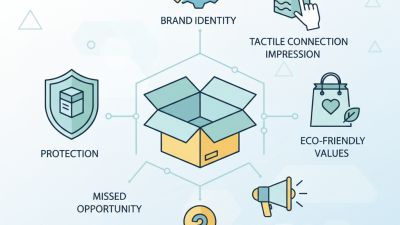
Choosing personalized boxes for your business needs can be challenging. The right packaging reflects your brand. It enhances the customer experience. Personalized boxes will make your product memorable.
Consider your target audience carefully. Think about their preferences and expectations. Custom designs can captivate attention. Quality also matters; durable materials ensure protection during shipping.
Explore various options. Different shapes, sizes, and colors can convey different messages. Reflect on what suits your brand best. Make sure your choices align with your marketing goals. Personalizing your boxes can elevate your brand image. Each detail counts, and every choice impacts your brand perception. Consider what resonates with your customers.
Understanding the Importance of Personalized Boxes for Your Business
Personalized boxes are essential tools for businesses today. They enhance brand identity and make products memorable. According to a recent study, 70% of consumers prefer brands that prioritize customization. This highlights the growing trend in personalized packaging. Brands are now investing more in custom boxes to stand out.
The impact of personalized packaging extends to consumer behavior. Research indicates that 72% of consumers feel more positively about a brand after receiving a carefully packaged product. Consumers often share unboxing experiences on social media. This organic promotion boosts brand visibility significantly. It's clear that personal touches in packaging can lead to increased customer loyalty and repeat purchases.
However, choosing the right boxes can be challenging. Many businesses struggle with balancing cost and quality. It’s crucial to select materials that reflect brand values without overwhelming the budget. Some businesses end up with boxes that look good but aren't functional. This can harm customer satisfaction. It's important to reflect on these choices continuously to adapt to evolving market demands.
Identifying Your Business Needs and Target Audience for Packaging
Identifying your business needs and target audience is crucial for effective packaging solutions. Start by understanding the specific requirements of your products. This includes dimensions, fragility, and storage needs. Research shows that 72% of consumers feel packaging design influences their purchase decisions. So, your packaging must reflect quality and align with your brand identity.
It's also essential to know your target audience's preferences. Are they eco-conscious? Do they value aesthetics? Younger consumers increasingly prefer sustainable packaging, with 61% willing to pay more for eco-friendly options. This insight suggests that incorporating sustainable materials can enhance your brand's appeal.
Consider testing different packaging styles with a focus group. This feedback can help refine your packaging strategy. Experimentation may reveal unexpected insights, indicating that your initial assumptions might not align with consumer expectations. Engaging your audience in the packaging process fosters loyalty, ultimately driving sales.
Exploring Different Types of Personalized Boxes Available
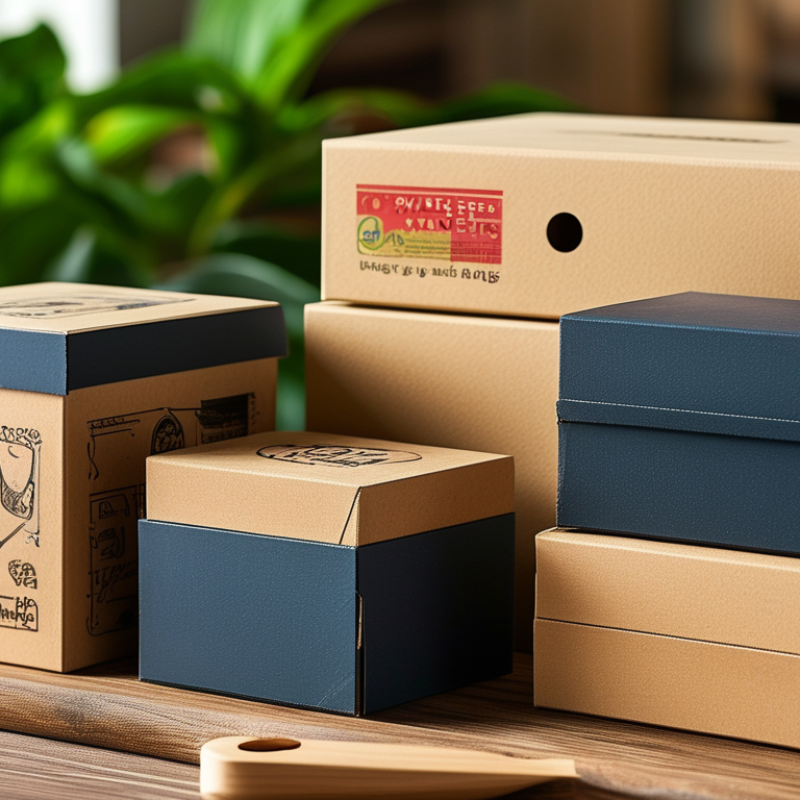
When selecting personalized boxes for your business, it's important to understand the different types available. Custom boxes can vary widely in design, size, and material. For instance, you might choose corrugated boxes for shipping, which provide durability. These boxes can be customized with your brand colors and logos. They are effective for product protection and brand awareness.
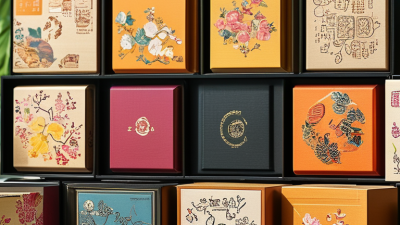
Another option is rigid boxes, often used for high-end products. They exude a sense of luxury and professionalism. Rigid boxes can be a bit pricier, but their quality can enhance the perceived value of your product. Consider your audience and the product type when making this choice. A specialized approach can create a strong first impression.
Lastly, you might explore eco-friendly options, made from recycled materials. These boxes resonate with environmentally conscious consumers. It’s crucial to strike a balance between aesthetics and sustainability. Reflecting on your choices can lead to better outcomes for both your brand and the planet.
How to Choose Personalized Boxes for Your Business Needs? - Exploring Different Types of Personalized Boxes Available
| Box Type |
Material |
Customization Options |
Ideal For |
| Rigid Boxes |
Chipboard |
Printing, Embossing |
High-end Products |
| Folding Cartons |
Paperboard |
Full-color Printing |
Retail Products |
| Mailer Boxes |
Kraft Cardboard |
Tape, Stickers |
E-commerce |
| Gift Boxes |
Luxury Paper |
Ribbons, Messages |
Gifts and Special Occasions |
| Plastic Boxes |
PET, PVC |
Inserts, Labels |
Cosmetics, Electronics |
Key Factors to Consider When Choosing Customized Packaging
When selecting customized packaging, several key factors come into play. The first is material choice. Packaging made from sustainable materials is increasingly favored. According to a 2023 report from Smithers, 72% of consumers prefer brands that use eco-friendly packaging. This trend highlights the importance of aligning with consumer values.
Design is another crucial aspect. Personalized designs should reflect your brand’s identity clearly. Research shows that 64% of consumers base their purchasing decisions on how a product is packaged. A unique design can differentiate your product in crowded markets. However, achieving this balance between creativity and functionality can be challenging. Not all designs translate well into practical packaging solutions.
Size and shape also matter significantly. Custom boxes must be well-fitted to minimize excess space. Loose packing can lead to damage during transit, raising costs. Studies indicate that 42% of damages occur due to poor packaging choices. Choosing the right size prevents these losses and enhances the unboxing experience. It’s important to consider these factors carefully. Ignoring them can lead to missed opportunities and increased expenses.
Customized Packaging Options Comparison
Evaluating Cost-Effectiveness and Supplier Options for Personalized Boxes
When selecting personalized boxes for your business, evaluating cost-effectiveness is essential. Understand your budget first. Costs can vary widely based on materials, sizes, and custom designs. A more affordable option may seem appealing, but low-quality materials can hurt your brand's image. It's vital to balance cost and quality.
Supplier options are equally important. Research different suppliers to find reliable partners. Look for those with positive reviews and a solid track record. Communication is key; a responsive supplier can make the customization process smoother. Check if they offer samples to evaluate the quality before committing.
Consider the environmental impact of your packaging choices. Sustainable materials may cost more initially, but they can enhance your brand's reputation long-term. Some suppliers offer innovative eco-friendly options. Reflect on how your choice aligns with your business values. This consideration can attract more customers who prioritize sustainability. Aim for transparency with your choices, as it builds trust. Your decisions will ultimately shape your brand's identity.