How to Choose the Right Packaging Boxes for Your Products?
Choosing the right packaging boxes for your products is crucial for success. The global packaging industry is expected to reach $500 billion by 2025, indicating the growing importance of effective packaging. According to industry expert Mark Johnson, "The right packaging is more than just a container; it is a brand's first impression." This highlights the significance of selecting appropriate packaging boxes that not only protect the product but also convey brand values.
With numerous designs and materials available, the choices can be overwhelming. Brands must consider factors like durability, aesthetics, and sustainability. Poor packaging choices can lead to product damage or a lack of customer appeal. For instance, a study by Smithers Pira shows that 45% of consumers associate product quality with packaging quality. This emphasizes the need for thoughtful selection in packaging boxes.
Reflecting on this, brands can sometimes overlook the role of packaging. Focusing solely on product function can be a mistake. It is vital to balance performance and appeal in packaging boxes. A well-designed package can enhance user experience and drive sales. Getting it right is an ongoing challenge that requires attention and expertise.
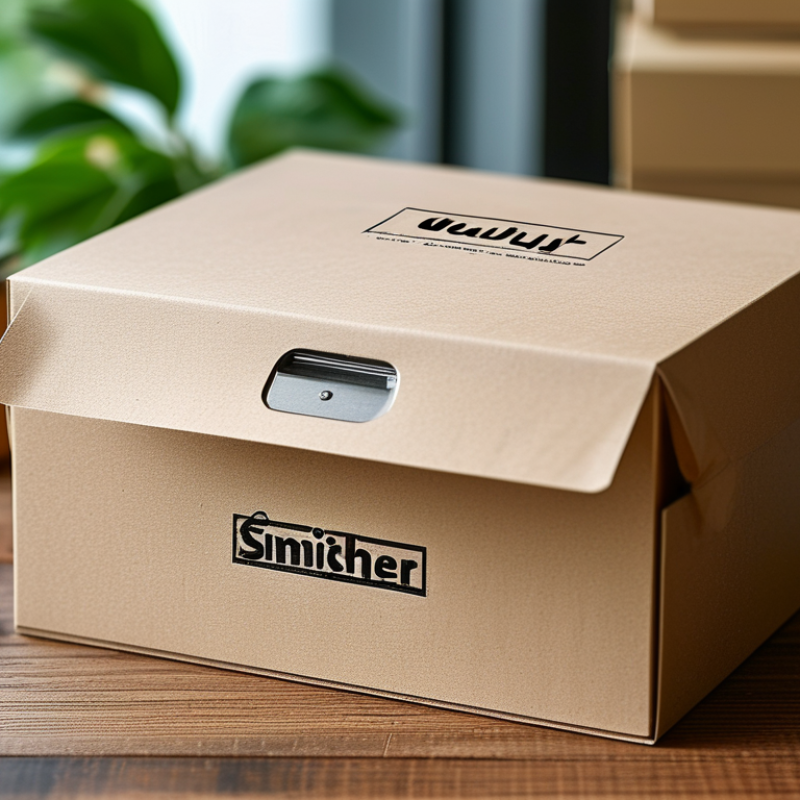
Understanding the Importance of Packaging for Product Success
When considering product packaging, its importance cannot be overstated.
Packaging serves as the first point of interaction between your product and potential customers. A well-crafted package can enhance brand perception, while poor packaging can lead to missed opportunities.
Invest time in understanding your target audience, as their preferences will shape your choices.
Tips for choosing the right packaging include:
- Evaluating the product’s dimensions and fragility.
- Customized boxes can prevent damage during transit.
- Using eco-friendly materials may appeal to environmentally conscious customers.
- Observe what competitors are doing; inspiration can spark innovative ideas.
It’s essential to test different packaging options.
Sometimes, the first choice may not resonate with your audience. Solicit feedback from customers after purchase. Their insights can reveal what works and what needs improvement.
The goal is to create packaging that not only protects but also captivates your customer’s attention.
Identifying the Right Dimensions and Type of Packaging Boxes
Choosing the right dimensions and type of packaging boxes is crucial for product safety and presentation. Accurate measurements ensure that your items fit snugly, reducing movement during transport. Start by measuring your product's length, width, and height. Consider adding extra space if your products have unique shapes or sharp edges. If you prioritize protection, opt for boxes with cushioning materials.
Tips: Always use a caliper to obtain precise measurements. This tool helps avoid mistakes that can lead to selecting the wrong size.
When selecting box types, think about material strength. Corrugated boxes are ideal for heavy items, while standard cardboard works for lightweight products. You might encounter challenges in matching box styles to your brand image. If your product has a premium feel, consider custom designs that reflect quality.
Tips: Test different box types to see how they withstand shipping conditions. This evaluation helps you find the right balance between cost and durability. Remember, packaging is not just about functionality—it’s also about leaving a lasting impression.
Evaluating Material Options for Durability and Sustainability
Choosing the right packaging boxes for your products involves careful consideration of the materials used. Durability is crucial. A sturdy box should withstand shipping and handling. Consider cardboard, which offers strength and versatility. It is lightweight, making it a good choice for reducing shipping costs. Corrugated cardboard adds an extra layer of protection for fragile items.
Sustainability is increasingly important in packaging decisions. Eco-friendly materials can reduce your environmental impact. Recycled materials are a great alternative. They provide a balance between durability and sustainability. Biodegradable options are another avenue worth exploring. These materials decompose naturally, minimizing waste. Yet, their strength may not match that of traditional options.
It's essential to evaluate your specific product needs. Test out different materials to assess performance. Some might fail to protect your product adequately. Consider feedback from customers regarding packaging quality. Striking a balance between durability and sustainability can be challenging. However, thoughtful choices will enhance your brand's reputation and customer satisfaction.
Design and Branding Considerations for Packaging Boxes
When selecting packaging boxes, design and branding play pivotal roles. They are the first interaction customers have with your product. A well-designed box can convey your brand story effectively. Bold colors, unique shapes, and clear logos can attract attention and help maintain a consistent brand image.
Choosing the right materials is also crucial. Consider the environmental impact of your packaging choices. Opt for recyclable or biodegradable materials when possible. This not only enhances your brand’s reputation but also appeals to eco-conscious consumers. Your packaging should reflect your brand values and resonate with your target audience.
Tips: Keep your designs simple yet impactful. Cluttered boxes can confuse customers. Always conduct A/B testing with different designs to see what resonates best. Remember, every detail counts. Be open to feedback; it can highlight areas needing improvement. Packaging is not just a box; it’s an extension of your brand identity.
Cost-Effectiveness and Budgeting for Packaging Solutions
Choosing the right packaging boxes for your products is crucial for effective budgeting. Cost-effectiveness often depends on materials, size, and design. According to a report from Smithers Pira, packaging accounts for around 29% of product costs in some sectors. This means that businesses must carefully evaluate their options to remain competitive.
Investing in the right packaging can lead to substantial savings. For instance, custom boxes can minimize shipping costs by reducing dimensional weight. On the other hand, overly elaborate designs may inflate expenses without adding significant value. A recent survey indicated that 52% of companies reported dissatisfaction with their packaging investments, suggesting a common oversight in budget allocation.
Reflect on your packaging needs. Are you prioritizing aesthetics over functionality? Sometimes, inexpensive packaging options can meet requirements without compromising quality. Effective packaging should balance between attractiveness and cost. Research emphasizes that well-thought-out packaging strategies can enhance customer experience and drive sales, but costs need vigilance. An efficient approach can improve your bottom line without sacrificing customer satisfaction.
Cost-Effectiveness of Different Packaging Solutions
The bar chart above illustrates the cost per unit of various packaging solutions commonly used in product packaging. Cardboard boxes are the most cost-effective option at $0.50 per unit, while glass bottles are the most expensive at $1.50 per unit. This information can help businesses make informed decisions when selecting packaging that aligns with their budget and cost-effectiveness objectives.