How to Choose UVLED Flatbed Printing for Your Business?
In the competitive landscape of printing, selecting the right technology is crucial. UVLED Flatbed Printing is becoming increasingly popular in various industries. Reports indicate that the global UV printer market is expected to reach $5 billion by 2026, with a significant portion attributed to UVLED technologies. This method promises faster production times and vibrant colors on a variety of materials.
However, businesses need to assess their specific needs before investing. The initial costs can be high. Maintenance and operational challenges may also arise. Research highlights that 40% of small businesses struggle with equipment ROI. Understanding your target market and materials can lead to better choices.
Incorporating UVLED Flatbed Printing can enhance product offerings. Yet, companies must reflect on their capabilities. Are they ready to tackle the learning curve associated with new technologies? The potential for increased revenue is there, but the risks are tangible. A thoughtful approach is essential for success in this evolving market.
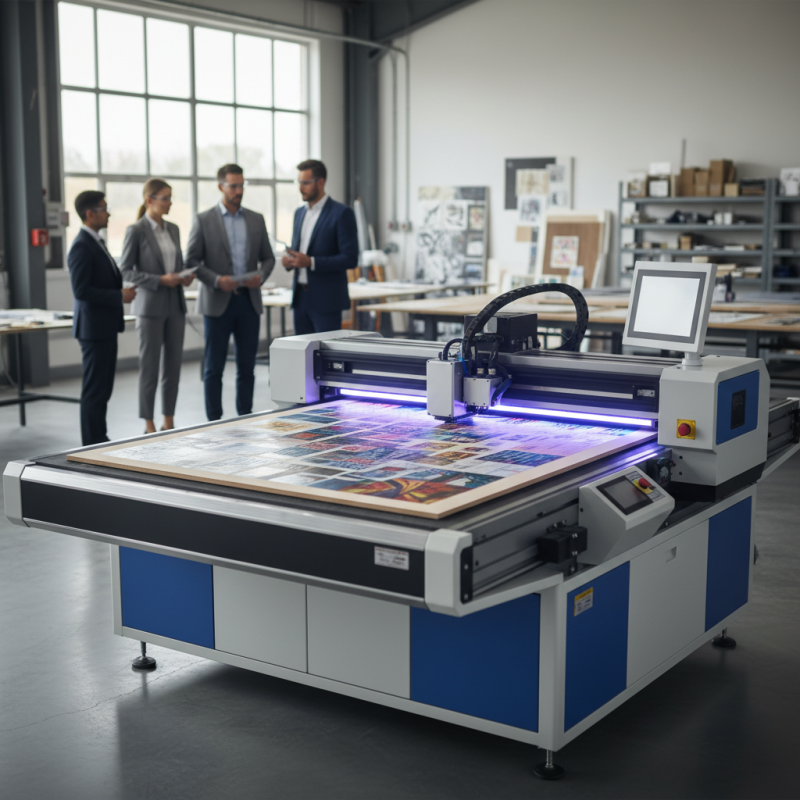
Understanding UVLED Flatbed Printing Technology
UVLED flatbed printing is revolutionizing how businesses approach printing technology. This modern method utilizes ultraviolet light to dry ink as it is printed. The result? Quick drying times and vibrant colors. According to industry reports, the UV printing market is projected to reach $5 billion by 2025, showcasing its growing relevance.
One of the key advantages is versatility. UVLED printers can print on various materials, from glass to fabrics. This feature allows businesses to expand their product offerings. However, it’s crucial to recognize the initial investment costs. High-quality printers can be expensive. Many small businesses struggle with these upfront expenses, leading to hesitation in adopting this technology.
Tip: Before investing, analyze your target market. Consider what materials and products will attract customers. Understanding your niche can guide your decision. Also, test the technology with smaller projects. This approach helps mitigate risks and provides valuable insight into the technology's benefits.
While UVLED printing offers remarkable features, businesses must weigh potential downsides. The curing process can sometimes produce a distinct odor, causing concerns in enclosed spaces. Additionally, ink quality and adhesion can vary across different substrates. Staying informed about these challenges is essential for making informed decisions.
Evaluating the Benefits of UVLED Printing for Businesses
When considering UVLED printing for your business, understanding its benefits is crucial. UVLED printing offers vibrant colors and sharp details. This technology uses LED lights to cure the ink instantly. Unlike traditional printing, it reduces drying time significantly. Businesses can print quicker, which can enhance productivity.
The versatility of UVLED is impressive. It works on various surfaces like wood, plastic, and metal. This opens up new markets and products. However, the initial investment might be higher than other printing methods. Some businesses may hesitate due to costs. It’s essential to weigh the long-term advantages against the upfront expense.
Additionally, UVLED printing is eco-friendly. It emits fewer volatile organic compounds (VOCs) compared to traditional inks. However, not all UVLED inks are created equal. Some require more research to find the right fit for your needs. The technology is still evolving, and it’s important to stay updated. Embracing UVLED printing can lead to innovation, but businesses must adapt and learn along the way.
Benefits of UVLED Printing for Businesses
Key Factors to Consider When Choosing UVLED Printers
When selecting a UVLED flatbed printer for your business, there are several critical factors to consider. One of the most important is the print resolution. High-quality prints require a printer that offers at least 1200 dpi. This level of resolution provides the clarity needed for detailed designs. According to industry reports, businesses using printers with higher resolutions see a 30% increase in customer satisfaction and repeat orders.
Another factor is the speed of the printer. Some models can print up to 150 square feet per hour. Faster printers can significantly reduce production time, allowing for quicker turnaround on projects. However, speed shouldn't sacrifice quality. A balance must be found to ensure that the output remains sharp. Businesses may struggle to choose between speed and quality, noting that cutting corners can lead to lost clients.
Finally, consider materials compatibility. Many printers can handle various substrates, including wood, glass, and acrylic. According to a study by the Printing Industry Association, businesses that utilize diverse substrates can expand their service offerings and tap into new markets. However, not every printer excels with all materials. It’s essential to research which models perform best with the substrates you intend to use. Being unable to print on key materials can hinder growth.
Comparing Costs and Budgeting for UVLED Flatbed Printing
When considering UVLED flatbed printing, budgeting is crucial. The initial investment for the equipment can be significant. Prices vary greatly depending on features and capabilities. Businesses need to assess their specific needs. Understand what your print volumes are. This will help determine the right machine for your operation.
Beyond the purchase price, operational costs should not be overlooked. Ink and media expenses can add up quickly. Maintenance is another factor that affects long-term costs. Regular maintenance is necessary to keep machines running smoothly. Consider allocating funds for unexpected repairs too. Managing these costs effectively is essential for profitability.
A detailed financial plan is beneficial. Include both short-term and long-term projections. It can help identify potential financial strain. Determine the break-even point for your investment. This can guide your pricing strategy. Balancing quality with affordability remains a challenge. Revisiting your decisions will be vital as market conditions change.
How to Choose UVLED Flatbed Printing for Your Business? - Comparing Costs and Budgeting for UVLED Flatbed Printing
| Feature | Standard Model | Premium Model | High-End Model |
| Initial Cost | $10,000 | $20,000 | $35,000 |
| Operating Cost (Monthly) | $800 | $1,500 | $2,500 |
| Print Speed (sq ft/hr) | 200 | 400 | 600 |
| Max Print Area (inches) | 24 x 36 | 48 x 96 | 72 x 120 |
| Typical Applications | Signage, Basic Prints | Custom Packaging, Wood Prints | High-Detail Art, Specialty Applications |
Maintenance and Support for UVLED Flatbed Printing Equipment
When selecting UVLED flatbed printing for your business, maintenance and support are crucial. Regular upkeep ensures optimal performance. Keeping equipment clean can prevent many issues. Dust and debris may cause print defects.
Tips: Schedule routine cleaning every week. Use appropriate cleaning supplies to avoid damage. Follow manufacturer guidelines closely.
Support options vary among providers. Some offer comprehensive packages, while others provide limited help. It’s essential to understand what you need. Evaluate your team’s expertise when choosing support. An inexperienced team may struggle without proper guidance.
Tips: Reach out for training during installation. Consider investing in support contracts for troubleshooting. This can save time and minimize downtime. Careful planning and assessment can lead to long-term success.