10 Essential Tips for Creating Custom Size Boxes to Enhance Your Packaging

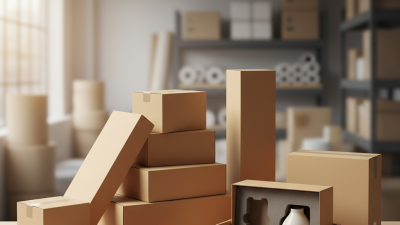
In the competitive world of packaging, adapting to customer needs is crucial. Custom size boxes can make a significant difference in product presentation and protection. Renowned packaging expert Michael Reynolds once stated, “The right size box can elevate a brand’s presence and ensure customer satisfaction.” His insight emphasizes the importance of tailoring packaging to fit individual products perfectly.

Creating custom size boxes is not merely about aesthetics. It also involves understanding the dynamics of shipping and storage. Poorly sized boxes can lead to damage during transit or increased shipping costs. For instance, a box that is too big may require additional packing materials, which can negate any cost savings on bulk shipping. Packaging should not only look good but also function effectively.

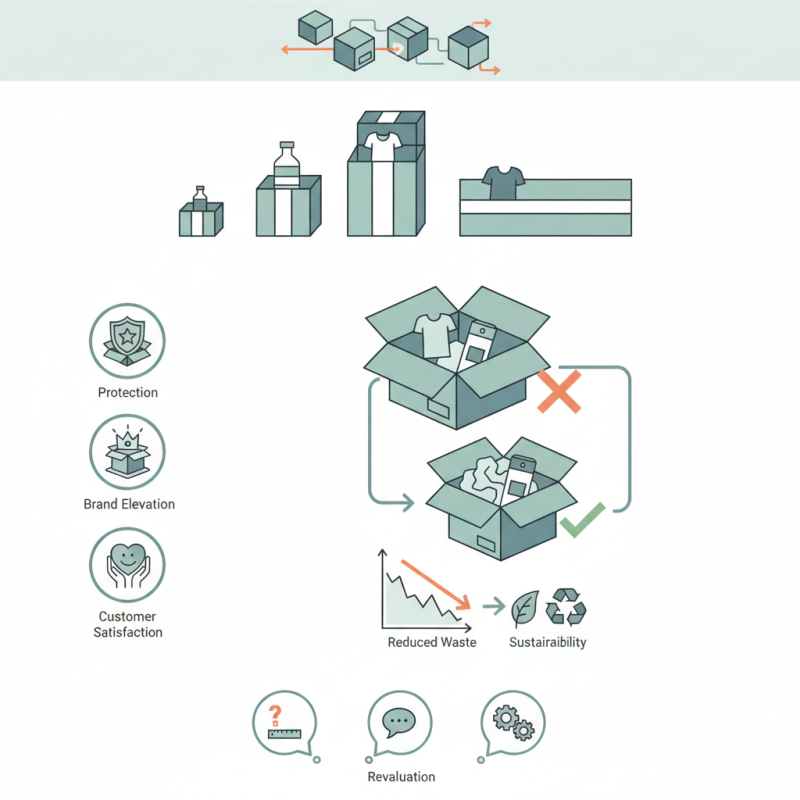
Brands often overlook the impact of custom size boxes on sustainability. Using the right size reduces material waste and lower environmental impact. However, businesses must periodically reevaluate their packaging strategies. Do the dimensions still serve our needs? Are we responding to customer feedback adequately? These reflections are vital in maintaining relevance and efficiency in packaging.
10 Essential Tips for Creating Custom Size Boxes to Enhance Your Packaging

Understanding the Importance of Custom Size Boxes in Packaging

Custom size boxes play a crucial role in enhancing packaging efficiency and overall customer experience. According to a recent report by Smithers Pira, the global demand for custom packaging solutions is projected to reach $470 billion by 2027. This emphasizes the importance of tailored packaging that fits products snugly, reducing waste and enhancing protection.

Creating custom size boxes involves understanding the dimensions and specific needs of your products. Start by measuring your items accurately. This can prevent over-packing, which often leads to higher shipping costs and environmental waste. Consider using sustainable materials as they not only appeal to eco-conscious consumers but also help brands stand out.

Consider these tips for creating effective custom size boxes:

  • Choose materials that offer protection without compromising weight.
  • Optimize the design for easy assembly and disassembly.
  • Ensure that your branding is visible and that the box is user-friendly.
  • Frustrating packaging can lead customers to abandon products and brands.
  • Balancing aesthetics and functionality is essential for lasting impressions.
Identifying Your Product Dimensions for Accurate Box Sizing

When creating custom size boxes, accurately identifying product dimensions is crucial. Careless measurements can lead to boxes that are either too large or too small. Use a reliable measuring tool, such as a caliper, for precise results. Measure the height, width, and depth of your product. Always factor in additional space for protection, especially if fragile items are involved. Consider the dimensions of any packaging materials, too.

It’s easy to make mistakes during this process. Many overlook the influence of product shape. Irregular shapes may require unique box designs. Ensure you account for any protrusions or accessories the product might have. Inaccurate sizing can harm the product during transport. Ultimately, getting box size right is essential for customer satisfaction. A box that fits well not only looks better but also reduces shipping costs. Attention to detail at this stage makes a significant difference.

Choosing Materials and Design Elements for Custom Boxes

When creating custom size boxes, choosing the right materials is crucial. Different materials affect durability and presentation. For instance, cardboard is lightweight and cost-effective. Yet, if you need something sturdier, consider rigid boxes. These options offer better protection. They also elevate the perceived value of the product.

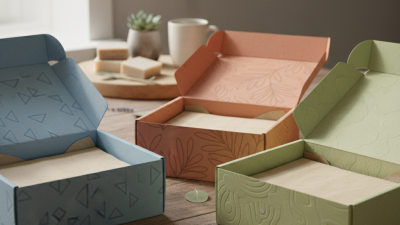
Design elements play a significant role too. You can explore various colors, finishes, and print techniques. A matte finish might offer a sophisticated look, while glossy finishes can catch the eye. Incorporating your brand's colors can enhance recognition. However, remember to avoid cluttered designs. A clean, well-thought-out layout often resonates better with customers.

Remember to test prototypes before mass production. Improper sizing can lead to increased costs and disappointments. Consider user experience as well. Ensure that the box is easy to open and reclose if necessary. Seeking feedback from real users can reveal design flaws. Adjustments may be needed, so stay flexible and open to change. Each decision shapes the final product.

Custom Box Material Preferences

Incorporating Branding and Visual Appeal in Box Design

10 Essential Tips for Creating Custom Size Boxes to Enhance Your Packaging

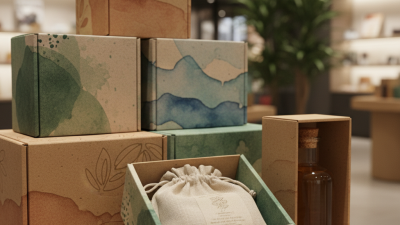
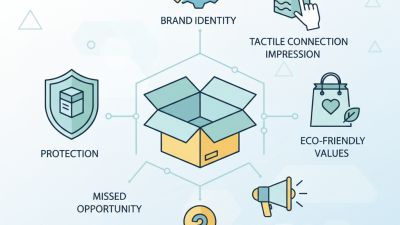
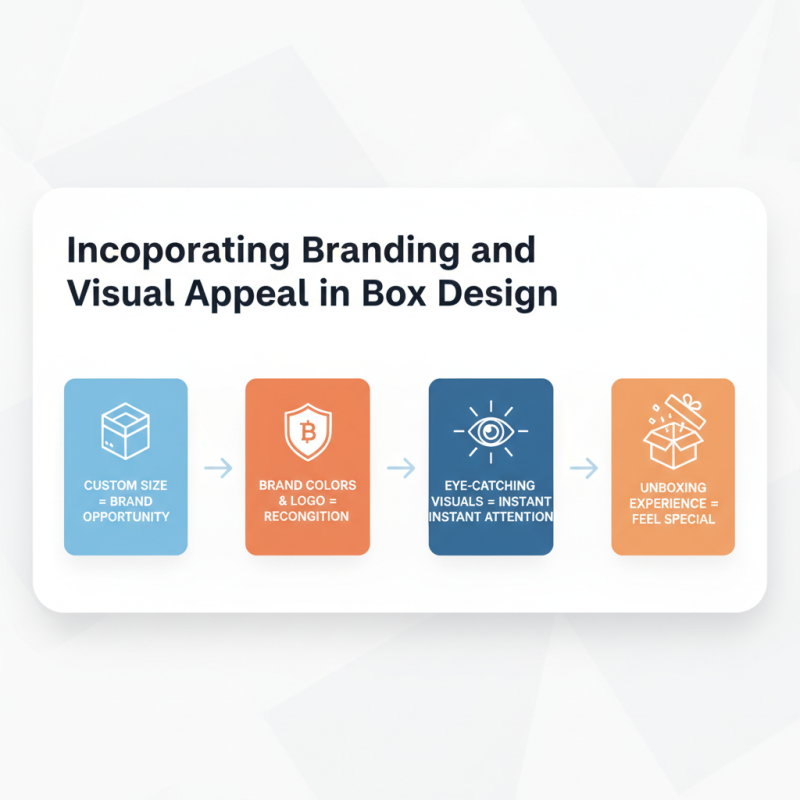
Creating custom size boxes offers an opportunity to showcase your brand. The box design serves as the first impression for customers. Incorporating your brand colors and logo into the design enhances recognition. Use eye-catching visuals that capture attention immediately. Think about the unboxing experience too; it should feel special.

The choice of materials matters immensely. Consider using eco-friendly materials that reflect your brand's values. Designs should also be functional, ensuring the box protects the contents well. Visual appeal is not just about aesthetics; it also involves practicality.

However, not every design will resonate with your audience. Some ideas may fall flat or fail to convey your message effectively. Regular feedback from your target market can guide improvements. Reflecting on what works—and what doesn't—can lead to better designs in the future. Keep testing different elements until you find the right balance.

Evaluating Cost-Effectiveness of Custom Box Production Options

When evaluating the cost-effectiveness of custom box production, several factors come into play. Material choice significantly affects affordability. Cardboard, for example, is often cheaper than specialty materials like rigid boxes. However, the latter may attract higher retail prices due to their perceived value.

Understanding production processes is crucial. Digital printing can be cost-effective for small runs. But for bulk orders, offset printing yields better unit prices. Balancing quality and cost is essential. Lower-quality materials may save money but could lead to customer dissatisfaction.

Consider your design closely. Simple designs often reduce production costs. Yet complex shapes or finishes can enhance the product’s appeal. Aim for innovation while being mindful of the budget.

Practicing these tips can help. Choose the right size carefully; it eliminates excessively wasted space. Invest time researching suppliers; prices can vary greatly. Quality still matters, but finding a cost-effective supplier is a game-changer.

Back to top