
What Is a Juice Bag and What Types Are Available?

A Juice Bag is a flexible package designed to hold juice while making storage, transport, and serving more convenient. It can mean a small flat pouch, a stand-up pouch, a spouted pouch, or a larger bag-in-box liner. Each format solves a different problem. A school lunch pouch needs to be light and easy to open; a family-size pack needs a reliable tap or spout.

The details matter. A stand-up pouch can sit upright on a refrigerator shelf, while a spouted version makes pouring less messy. Some bags use multiple material layers to protect juice from oxygen and light. Aseptic formats are designed for filling and storage without refrigeration before opening. They are not all interchangeable. The juice, filling process, shelf-life goal, and disposal options shape the right choice.

Packaging also carries an environmental trade-off. The OECD’s Global Plastics Outlook (2022) reports that packaging generated 40% of global plastic waste in 2019. That figure is a useful reminder to consider material use and local collection options, not just convenience. Tetra Pak founder Ruben Rausing captured packaging’s practical purpose in the often-cited line, “A package should save more than it costs.” For Juice Bag design, that means protecting the drink while avoiding needless complexity. Still, no pouch is automatically the better choice. A lighter pack may use fewer materials, yet be difficult to recycle where you live. That part deserves a closer look.
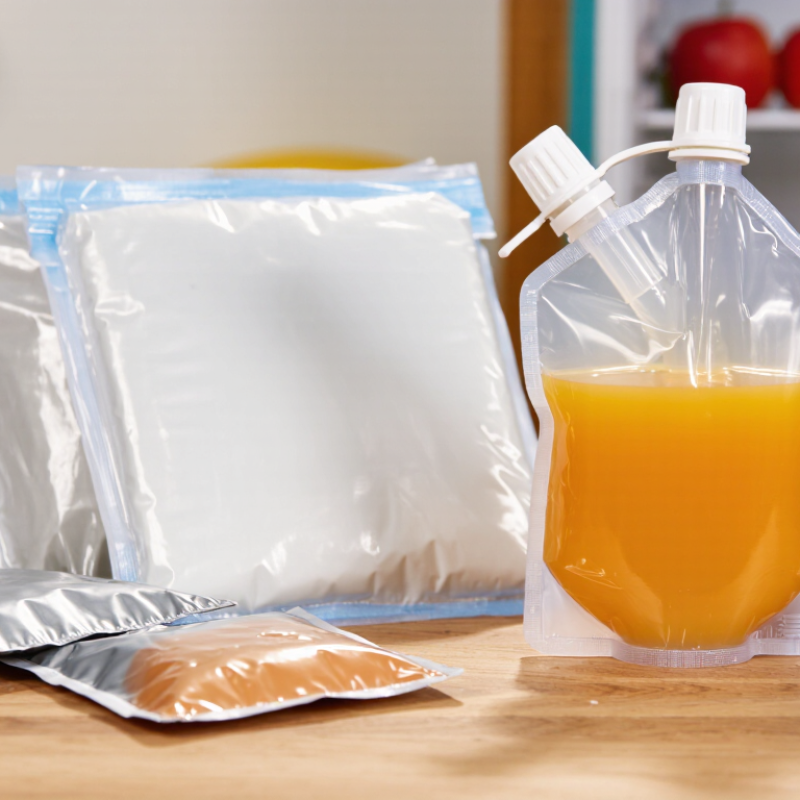
What Is a Juice Bag and What Types Are Available?

What a Juice Bag Is and How It Is Designed

A juice bag is a flexible pouch made to hold and dispense liquid. It may have a spout and cap, or a sealed top designed for single-use drinking. The pouch body often combines several thin layers: an outer layer for printing and handling, and inner layers that help contain liquid and protect flavor. Exact materials vary with the juice, filling process, and required shelf life. A package engineer would check seal strength, leakage, and compatibility with the product before selecting a structure.

The design has to balance protection with convenience. A gusset can help a filled bag stand upright; a shaped spout can make pouring steadier. Some pouches use barrier layers to limit exposure to oxygen or light, which can affect juice quality. Still, no pouch is perfect. More layers may improve protection but can make recycling more difficult, depending on local collection and processing systems.

The Flexible Packaging Association’s 2023 State of the U.S. Flexible Packaging Industry report estimated U.S. flexible packaging sales at $42.9 billion in 2022, about 21% of the packaging market. That figure covers flexible packaging broadly, not juice bags alone.

It does show why pouch design choices matter across food packaging. A small cap, a tight corner, or a weak seam can change the everyday experience.

Key Materials and Components of Juice Bags

Flexible juice bags are made from layered films designed to protect liquid while staying lightweight. Their exact construction varies by product and filling method. An outer layer, often polyester or nylon, can provide print quality and resistance to scuffs. A middle barrier may use aluminum foil or a clear material such as EVOH to slow oxygen and light exposure. The inner layer, commonly polyethylene or polypropylene, touches the juice and helps form a secure seal. Food-contact suitability matters. No single structure fits every juice; barrier needs depend on ingredients, storage time, and filling conditions.

A pouch may include a spout, cap, sealed edges, and a tear notch. Spouts make pouring easier, but their shape and opening size affect flow and filling. Heat-sealed seams hold the layers together, so seal strength and cleanliness are important during production. A tear notch can help with opening, though it may weaken the edge if poorly placed. Small details matter. Some bags use recyclable mono-material structures, but actual recycling options depend on local collection systems.

Tips: Check the inner layer’s food-contact specifications and the bag’s stated storage conditions. Ask suppliers for barrier and seal-test data, not just a material list. A shiny foil layer may look reassuring, but it does not prove the finished pouch suits your juice or process.

How Juice Bags Are Made and Filled

Juice bags are usually made from flexible, layered films selected to protect the drink from moisture, oxygen, and light. Converters print and laminate the film, allow adhesive layers to cure, then cut and seal it into pouches. A spouted bag needs an extra step: the fitment is positioned and sealed into the pouch opening. Seal strength matters. A tiny wrinkle can create a leak during transport.

Filling starts with checks on the empty bags, product temperature, and filling equipment. The juice is dosed through an open top or spout, then the pouch is heat-sealed or capped. Some products are pasteurized before filling; others use validated aseptic processes. The right method depends on the recipe and packaging materials. FDA Juice HACCP rules call for a 5-log reduction in relevant pathogens, a useful safety benchmark for juice processors. The Flexible Packaging Association’s 2024 industry report estimated U.S. flexible-packaging sales at $42.9 billion in 2023; that figure covers many uses, not juice bags alone. In practice, filling lines can look precise and still need frequent seal checks. That part is easy to underestimate.

Common Types of Juice Bags and Their Features

Stand-up juice bags have a flat base that helps them remain upright on a shelf or picnic table. Their flexible walls use less storage space than rigid bottles when empty. Many include layered film to limit exposure to light, oxygen, and moisture. The exact barrier depends on the material and construction, so check product specifications before choosing one. Handy, but not indestructible.

Spouted bags make pouring easier and can reduce spills during travel. Their caps suit single servings or repeated use, though the opening may be harder to clean thoroughly. Flat sachets are lightweight and compact, often used for small portions or sampling. They are less convenient to reseal. Some bags use transparent panels, letting customers see the juice color, while opaque or foil-lined versions provide stronger light protection. Clear looks appealing. It offers less shade.

Bag choice depends on juice acidity, storage time, filling temperature, and handling conditions. A pouch designed for chilled juice may not suit hot filling or long storage. Ask suppliers for material and compatibility details, and test a filled sample for leaks, seal strength, and flavor changes. I would not assume a thicker bag is automatically safer or better; fit matters more.

What Is a Juice Bag and What Types Are Available? — Common Types of Juice Bags and Their Features
Type Typical Construction Key Features Common Uses Points to Consider
Flat pouch or sachet Two flexible film layers sealed around the edges; material may include barrier layers depending on the product. Lightweight, compact, and easy to distribute in single-serving sizes. Usually opened by tearing or cutting. Small juice portions, samples, and on-the-go servings. Typically cannot stand upright or be resealed. The opening may be less convenient for drinking directly.
Pillow pouch A flexible film tube sealed along the back and across the top and bottom. Uses relatively little packaging material and can be produced efficiently on form-fill-seal equipment. Single-serve drinks and other products filled and sealed on high-speed packaging lines. Usually has no rigid base or built-in closure, so it may need support and is generally intended for one-time use.
Stand-up pouch Flexible laminated film, often with a bottom gusset that expands when filled. Can stand on a shelf while using less space and weight than many rigid containers. May include a tear notch or zipper. Multi-serving juice, smoothies, and refrigerated beverage products. Performance depends on the film structure and seals. A pouch without a dispensing fitment may be less convenient to pour.
Spouted pouch Flexible pouch with a plastic fitment and screw cap or other closure. Allows controlled pouring or drinking and can be resealed. The flexible body is lightweight and squeezable. Juice for children, smoothies, and larger or resealable beverage portions. The fitment and cap add components. The pouch must be compatible with the intended filling, storage, and processing conditions.
Aseptic flexible pouch Often a multilayer pouch with barrier materials, filled and sealed under aseptic conditions after the product and packaging are sterilized separately. Can support ambient distribution without refrigeration before opening when the product, package, and process are appropriately validated. Some shelf-stable juice products and beverage ingredients. Aseptic packaging is a processing system, not a pouch shape. It requires specialized equipment and validated packaging materials.
Bag-in-box A sealed flexible inner bag, commonly fitted with a tap, placed inside a protective outer box. Convenient for dispensing larger quantities; the outer box helps protect the bag during handling and storage. Bulk juice for food service, catering, and dispensing systems. Requires compatible dispensing equipment or a suitable tap. Refrigeration and use-after-opening guidance depend on the product and filling system.

How Juice Bags Are Used and Selected

Juice bags are flexible pouches used to pack and carry drinks. They may have a flat shape, a stand-up base, or a spout for controlled pouring. Small, single-serve bags suit lunch kits and events; larger pouches can work for family servings or food-service use. Some designs use clear film to show the drink, while others use opaque layers to limit light exposure. The right choice depends on how the juice will be filled, stored, transported, and served.

Check that the bag’s food-contact materials suit the juice and the filling process. Hot-filled products need packaging rated for the required temperature; chilled juice has different handling needs. Look closely at seal quality, leak resistance, and whether a spout is easy to open without spilling. A pouch that feels sturdy on the shelf may still split at a weak seam. Appearance can distract from practical details. That is an easy mistake. Ask for material and testing information, and assess the bag with the actual drink and filling equipment. A small trial run can reveal wrinkles, awkward pouring, or seals that fail under pressure. I would not skip it.

Article Source:

Back to top