What is New Label Materials and How Can They Benefit Your Business?
In today's fast-paced marketplace, businesses are constantly seeking innovative solutions. New Label Materials have emerged as a game changer for branding and product presentation. These materials not only enhance visibility but also ensure durability in various environments.
Companies can leverage New Label Materials to create eye-catching designs. For instance, waterproof labels are perfect for products exposed to moisture. Similarly, thermal transfer labels offer high-resolution printing that withstands abrasion. However, the choice of the right material can be overwhelming. Businesses must consider factors such as texture, adhesive strength, and print clarity before making a decision.
Investing in quality label materials reflects a brand's commitment to quality. Yet, some businesses still rely on outdated options, not realizing the potential benefits. New Label Materials can elevate product appeal and improve customer experience. However, the effectiveness of these materials often depends on the application strategy. It is crucial for companies to stay informed and adaptable in this ever-evolving landscape.
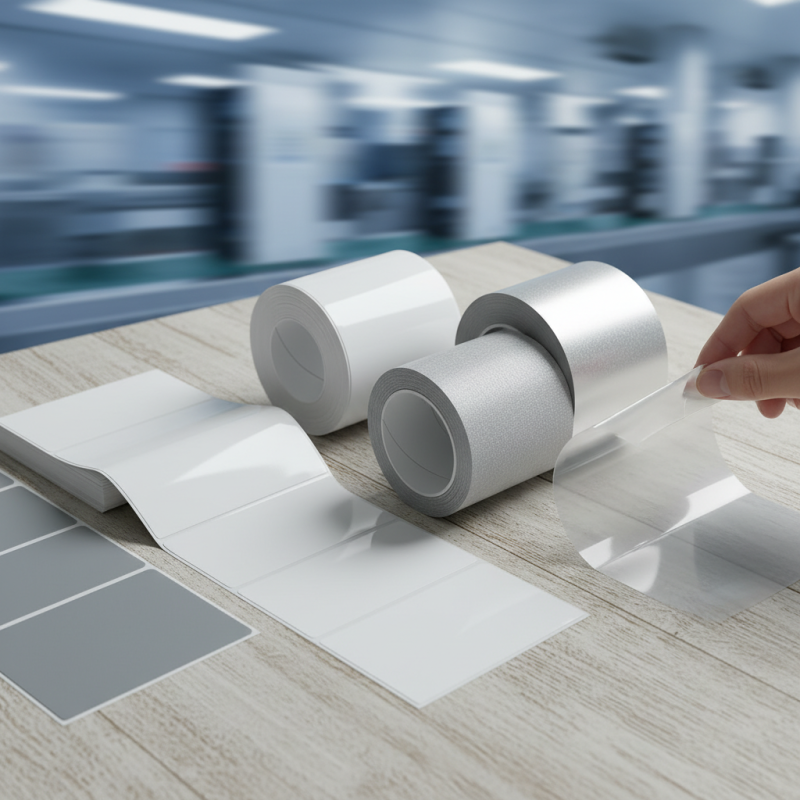
Definition of New Label Materials and Their Key Characteristics
New label materials represent a significant advancement in the labeling industry. These materials include eco-friendly options, smart labels, and specialty adhesives. They enhance durability and improve performance in various environments. Businesses benefit by optimizing their labeling processes and reducing waste.
Key characteristics of new label materials include flexibility and resistance. For example, some materials withstand extreme temperatures, making them ideal for frozen and refrigerated goods. Their adhesive properties ensure labels remain intact even under harsh conditions. However, not all materials will suit every application. It’s crucial to test and evaluate these new options thoroughly.
Adopting innovative label materials can lead to improved branding and consumer perception. New designs can reflect a company’s commitment to sustainability and technology. Nonetheless, companies should consider the cost implications and potential supply chain disruptions. Navigating these challenges while leveraging new materials is a vital learning curve for many businesses.
What is New Label Materials and How Can They Benefit Your Business?
| Material Type | Key Characteristics | Benefits | Common Applications |
| Synthetic Paper | Water-resistant, tear-resistant, recyclable | Durability in harsh environments | Outdoor labels, food packaging |
| Eco-friendly Paper | Biodegradable, recyclable | Reduced environmental impact | Product labeling, eco-friendly products |
| Transparent Film | Clear, thin, flexible | Aesthetic appeal, sleek design | Cosmetics, beverages, retail |
| Vinyl | Flexible, weather-resistant, durable | Long-lasting in outdoor conditions | Bumper stickers, outdoor signage |
| Thermal Transfer Paper | Heat-sensitive, high-quality print | High-quality images and barcodes | Shipping labels, product barcoding |
Types of New Label Materials: Innovations and Applications
New label materials are transforming industries. These innovations enhance product visibility and improve customer engagement. Businesses are now exploring various types of materials that offer unique applications.
For instance, eco-friendly labels are gaining popularity. Made from sustainable sources, they appeal to environmentally conscious consumers. These labels reduce plastic waste and support green branding. Another interesting development is the use of temperature-sensitive materials. Such labels change color when exposed to heat, providing immediate feedback to customers about product quality. This feature is especially useful in the food and beverage sector.
Additionally, digital printing technologies allow for customization. Brands can create shorter runs and modify their designs frequently. This flexibility opens new avenues for marketing and personalization. However, not all innovations fit every application. Companies must evaluate their specific needs and costs thoroughly. The pursuit of the perfect label material can lead to challenges that require careful consideration and strategy.
Advantages of New Label Materials for Various Industries
The introduction of new label materials is transforming various industries by enhancing efficiency and effectiveness. These materials are often more durable, allowing them to withstand harsher conditions. For instance, labels made from advanced substrates resist water, chemicals, and extreme temperatures. This feature alone can lead to lower replacement costs. In food and beverage, robust labels maintain their integrity, even in a chill or heat.
Adopting these innovative materials also improves aesthetics. Clear, vibrant labels can attract customers, increasing sales potential. In retail, appealing designs enable brands to stand out. Sustainable options reduce environmental impact, appealing to eco-conscious consumers. New technologies allow for better printing and adhesion, ensuring that labels stay put.
However, companies must carefully evaluate the cost and sourcing of these materials. Balancing quality and expense is crucial for long-term success. Each business should consider its specific needs before transitioning to new label options.
How to Choose the Right New Label Materials for Your Business
Choosing the right new label materials is crucial for businesses looking to enhance their branding and operational efficiency. Recent industry reports indicate that 65% of consumers make judgments about a product based on its packaging. This statistic highlights the importance of selecting materials that not only attract attention but also convey quality.
When evaluating new label materials, consider factors like durability, print quality, and environmental impact. For instance, studies show that labels made from recyclable materials can improve brand perception by 30%. However, it's essential to recognize that not all eco-friendly options perform well in all conditions. Sometimes, a compromise on visual appeal or durability is necessary, leading businesses to reflect on their priorities.
Test samples from multiple suppliers before committing to new materials. Feedback from your team can unveil flaws or advantages that data alone may miss. The effectiveness of label materials isn't just about aesthetics or eco-friendliness. It’s about finding the right balance for your specific business needs. Keep an open mind and reassess your choices as the market evolves.
Future Trends in Label Materials and Their Impact on Business Strategy
In recent years, the label materials market has experienced significant evolution. According to a report from Smithers Pira, the global label materials market is projected to grow to $50 billion by 2025. This growth is driven by innovations in sustainability and technology. Companies are shifting toward eco-friendly materials. Biodegradable and recyclable labels are gaining traction, aligning with consumer demand for sustainability.
These trends present strategic opportunities for businesses. Adopting new materials can enhance brand image and appeal to environmentally conscious customers. For instance, using plant-based inks and papers could improve customer perception. Yet, some companies face challenges in sourcing these materials. The transition may require investment and education for stakeholders. Quality and cost-effectiveness must be carefully evaluated.
Moreover, technological advancements enable new printing techniques. Digital printing allows for shorter runs and customization. This flexibility can lead to reduced waste and increased responsiveness to trends. However, not all businesses are equipped to leverage these technologies. The gap between early adopters and laggards is widening. Addressing these discrepancies is vital to maintaining competitiveness in a rapidly evolving market.