Top 10 Offset Printing Inspection Tips for Global Buyers?
Offset printing is a vital process in the global printing industry, accounting for nearly 40% of the overall market share, according to industry reports. This technique is known for producing high-quality prints in large volumes. However, achieving superior results hinges on effective Offset Printing Inspection. Buyers must ensure that their printing partners adhere to rigorous quality standards.
Yet, many companies overlook essential inspection processes. A staggering 30% of print defects come from inadequate quality checks. These defects can lead to significant financial losses and damage a brand's reputation. Implementing thorough inspection protocols is not just beneficial; it is essential for long-term success.
Buyers must prioritize Offset Printing Inspection to maintain competitive advantage. Understanding the nuances of inspections can help mitigate risks. A methodical approach to inspection can enhance product consistency and reliability. In an industry where perception is paramount, even minor imperfections can lead to customer dissatisfaction. Recognizing this can shape better purchasing decisions.
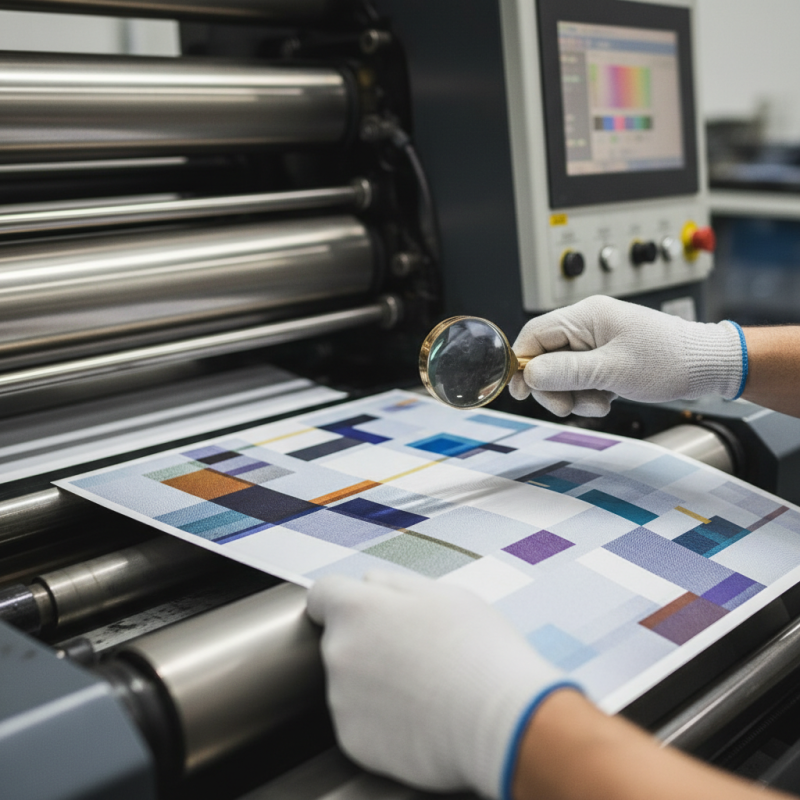
Understanding Offset Printing: A Global Perspective
Understanding Offset Printing: A Global Perspective takes us into the intricate world of printing technology. Offset printing remains a widely chosen method due to its efficiency and high-quality output. According to a report by Smithers Pira, the offset printing market is projected to reach $200 billion by 2024, highlighting its pivotal role in global production.
For buyers, understanding the nuances of offset printing is vital. The consistency in color and detail can make or break a project. Tip: Always request print samples before proceeding. This allows you to evaluate quality and make informed decisions.
Global buyers should also consider environmental impacts. The shift towards eco-friendly practices is evident, with 70% of consumers preferring sustainably printed materials, as noted by the Print Industry Association. Tip: Look for printers who use low-VOC inks and recycled papers. This not only reduces waste but also enhances your company's reputation.
Offset printing will continue evolving, yet challenges remain. Understanding paper types and finishes is crucial. Tip: Always clarify paper specifications and proofing processes. Misunderstandings can lead to costly errors. By focusing on these elements, buyers can optimize their offset printing experience in an ever-changing market landscape.
Top 10 Offset Printing Inspection Tips for Global Buyers
This bar chart represents the importance of various inspection tips for global buyers in the offset printing industry.
Key Factors to Consider in Offset Printing Inspection
When engaging in offset printing, there are several key factors to consider during the inspection process. Quality assurance is crucial. Ensure the color accuracy matches your specifications. Color deviations can affect your product's appeal. Inspect samples against the Pantone color system. This promotes consistency throughout the print run.
Another factor is the paper quality. Different stocks yield different results. Touch and feel the paper to assess its texture and weight. A rough finish may indicate poor quality. Always check for imperfections like blemishes or wrinkles. These can detract from the overall presentation.
In the realm of offset printing, attention to detail matters. A poorly aligned print can ruin the design. Always check registration before full production. Engage with your printing team. Communicate any concerns openly. A collaborative approach ensures higher quality outcomes. Offset printing can be a complex process. Effective inspection helps mitigate potential issues. Be proactive and diligent in your approach to achieve the best results.
Essential Tools for Effective Offset Printing Quality Control
In the world of offset printing, quality control is paramount. Effective tools play a vital role in maintaining print accuracy. Using the right instruments can enhance product value and reduce waste. According to industry studies, about 30% of printed materials face issues due to inadequate inspection. This emphasizes the need for comprehensive quality checks.
Key tools include spectrophotometers and densitometers, which measure color accuracy. These devices help maintain consistency across print runs. Regular calibration of such tools is essential. It ensures reliable results. Additionally, visual inspection remains a fundamental technique in identifying defects. Human eyes can catch flaws a machine might miss, highlighting the importance of skilled operators in the process.
Tip: Implement a two-stage inspection process. Initial checks can catch major discrepancies, while a final review can detect subtle color variations. This strategy enhances the overall quality and reliability of printed outputs. By adopting these tools and techniques, global buyers can ensure higher standards in their offset printing projects.
Top 10 Offset Printing Inspection Tips for Global Buyers
| Tip Number | Inspection Tip | Essential Tool | Importance Level |
| 1 | Check for Color Consistency | Colorimeter | High |
| 2 | Inspect Print Alignment | Alignment Gauge | High |
| 3 | Monitor Print Density | Densitometer | Medium |
| 4 | Check for Print Defects | Magnifying Glass | High |
| 5 | Confirm Material Quality | Material Tester | Medium |
| 6 | Evaluate Finishing Techniques | Finish Tester | Medium |
| 7 | Check for Paper Curling | Curl Tester | Low |
| 8 | Verify Ink Viscosity | Viscometer | High |
| 9 | Conduct Print Rub Test | Rub Test Equipment | Medium |
| 10 | Assess Overall Color Quality | Color Quality Software | High |
Common Pitfalls in Offset Printing and How to Avoid Them
Offset printing is a preferred choice for many buyers globally, yet it carries potential pitfalls. Understanding these can help ensure high-quality outputs. For instance, a common issue is inadequate color matching. According to industry reports, color discrepancies can reach up to 15%. Implementing a stringent proofing process can minimize such mismatches. Tips include using calibrated devices and conducting press checks to maintain consistency.
Another area of concern is pre-press preparation. Over 40% of print defects stem from this phase. Buyers often neglect the importance of properly formatted files. Tips to enhance this include using the correct color modes and embedding fonts. Ensuring all files meet required specifications reduces the chances of costly reprints.
Furthermore, communication gaps with printers can lead to misunderstandings. An estimated 30% of projects face delays due to miscommunication. Establishing clear and open channels can prevent these issues. Tips to improve this include detailed project briefs and regular updates throughout the production process. Addressing these common pitfalls elevates the offset printing experience for global buyers.
Finalizing Your Offset Printing: Last-Minute Inspection Tips
Finalizing your offset printing can be a meticulous task. One of the last-minute hurdles is the inspection process. According to a recent industry report, about 30% of defects arise during this stage. Therefore, ensuring a thorough check is crucial.
Inspect color consistency. Slight variations can alter the overall impact of your project. Use both digital proofs and physical samples for comparison. Color calibration tools should be on hand to assist in this analysis. Remember, 15% of buyers have reported dissatisfaction due to color discrepancies after printing.
Check the paper quality and texture. The choice of substrate can significantly influence the end product. Some brands may underperform on specific types of paper. It is advisable to request samples before finalizing your order. Economic pressures have led to some firms cutting corners. Consequently, your expectation for high-quality output may not always align with the reality you receive. Thus, insist on proper documentation and verification of materials used. This approach enhances reliability in your sourcing efforts.