How to Create Personalized Shipping Boxes for Your Business Essentials?
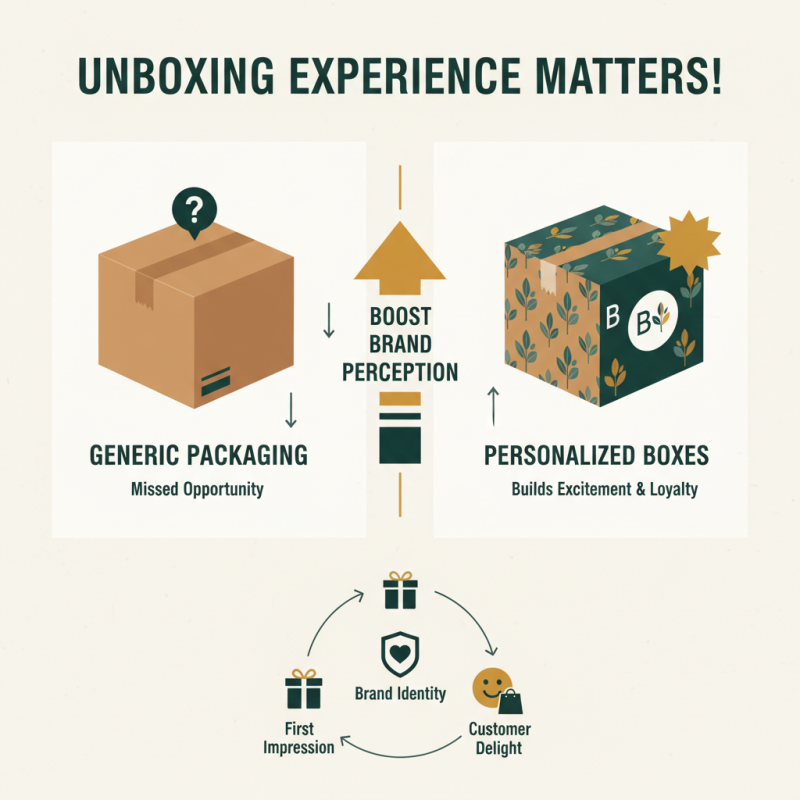
Creating personalized shipping boxes for your business can transform your customer experience. These boxes serve as a powerful branding tool. When customers receive an order, the packaging sets the tone. Personalized shipping boxes allow your brand to stand out in a crowded market.
Consider the unboxing experience. A well-designed box can evoke excitement. Use colors and images that reflect your brand’s identity. Incorporate unique designs that resonate with your target audience. This level of attention to detail can turn a mundane task into a memorable moment.
However, crafting these boxes is not without challenges. Budget constraints may limit your options. Finding suppliers who understand your vision can be difficult. Sometimes, you may compromise on quality or design. Reflecting on these obstacles is essential as you strive for perfection. Building a unique shipping solution is an art that requires patience and innovation.

Understanding the Importance of Personalized Shipping Boxes for Businesses
Personalized shipping boxes are essential for businesses today. They create a first impression before customers even open the box. An appealing design can evoke feelings of excitement and anticipation. Imagine receiving a beautifully wrapped package that reflects the brand’s identity. It not only delights the receiver but also strengthens brand loyalty.
Moreover, personalized shipping boxes can enhance the unboxing experience. When a customer feels valued, they are more likely to share their experience online. This organic promotion can be invaluable. However, businesses often overlook the practicality of shipping materials. A flashy box can be impractical if it affects shipping costs or product safety.
Additionally, there’s a balance to find. Too much emphasis on aesthetics can lead to neglecting functionality. Reflecting on this balance is crucial for businesses. Strive to create boxes that are not only visually appealing but also practical. This dual focus can lead to better shipping outcomes and happier customers.
Identifying Your Brand's Unique Aesthetics and Messaging
Creating personalized shipping boxes starts with understanding your brand's unique aesthetics. Visual elements, such as colors and fonts, play a crucial role. For instance, a report from the National Retail Federation states that 73% of consumers are influenced by packaging. This statistic highlights the importance of aligning packaging design with your brand identity.
Consider how your brand communicates its message. Are you whimsical or serious? This tone should reflect consistently in the packaging. Research shows that consumers are willing to spend 10% more on a product that has premium packaging. However, many businesses overlook this aspect, leading to missed opportunities.
Incorporating branding into shipping boxes can foster customer loyalty. Think about using eco-friendly materials. A study by EcoFocus Worldwide found that 54% of shoppers prefer sustainable packaging. Yet, implementing these features requires careful planning and may not always fit the budget. It's essential to balance aesthetics and functionality while being mindful of costs.
Choosing the Right Materials for Customized Shipping Boxes
Choosing the right materials for customized shipping boxes is crucial for any business. Cardboard is a popular choice due to its lightweight yet sturdy nature. It offers decent protection for various items. However, not all cardboard is created equal. Some might be too flimsy, resulting in damaged products upon delivery.
Kraft paper is another great option. It’s recyclable and provides an eco-friendly touch. Businesses may neglect visual appeal by sticking with plain brown paper. Custom designs could enhance the unboxing experience. On the other hand, plastic is durable but eco-conscious consumers might see it as a drawback. Striking a balance between durability and sustainability is essential.
Consider the dimensions of your products as well. Boxes that are too large can lead to movement during transit. This increases the risk of damage. Small boxes may not accommodate protective cushioning. Reflecting on these choices helps create a better shipping experience. Even if a box looks perfect, ensuring structural integrity is vital for customer satisfaction.
Designing the Shipping Box: Size, Shape, and Graphics
Designing the shipping box is essential for any business. The right size ensures products fit snugly.
A report from Packaging Digest notes that 36% of customers feel frustrated when their orders arrive in oversized boxes. This can lead to negative perceptions of your brand. Think about using custom dimensions to reduce waste and provide better protection.
Shape plays a crucial role too. Unique shapes can stand out among competitors. However, they can increase production costs. A study from Smithers Pira reveals that 42% of consumers are more inclined to engage with brands that use distinctive packaging. Yet, balancing creativity and practicality is important. Not every shape is suitable for every product.
Graphics are the final touch. Bold colors and clear logos can attract attention. An eye-tracking study revealed that packaging design influences purchasing decisions 40% of the time. But overloading the design can confuse consumers. Finding a balance between visual appeal and brand message is vital. Testing different designs with focus groups can provide insights. Reflecting on these elements can lead to improvements in your packaging strategy.
Implementing a Cost-Effective Production Process for Your Boxes
Creating personalized shipping boxes can enhance customer experience. However, managing production costs is crucial. According to a recent study by Smithers Pira, packaging costs account for up to 10% of the total product cost. It’s vital to optimize this area.
One effective method is using digital printing. This technology streamlines the printing process and reduces setup times. It not only lowers costs but also allows for smaller runs, making it easier to create customized boxes. Industry reports indicate that digital printing can cut production costs by 30% or more. This shift enables businesses to adapt quickly and meet changing market demands.
However, not all companies can benefit from this shift. Limited budgets might restrict access to advanced technologies. Some may struggle with integrating new processes into existing workflows. It’s essential to evaluate your current systems before making changes. Sometimes, simple adjustments like better inventory management can offer immediate savings. Finding the right balance requires careful planning and reflection.