Why is Print Inspection Essential for Quality Control?
In the world of printing, quality control is paramount. Print Inspection plays a crucial role in this process. According to Sarah Thompson, an expert in print quality, “Every print tells a story; we need to ensure it’s the right one.” Her insight highlights the significance of rigorous inspection standards in printing.
Print Inspection involves a detailed review of printed materials. This ensures that colors, clarity, and alignment meet specified standards. Even minor errors can impact the final product. For instance, misaligned text or fading colors can mar the quality. A meticulous approach to Print Inspection can save both time and resources. Flaws detected late in the process often lead to costly reprints.
Yet, despite advancements in technology, some imperfections slip through the cracks. Human judgment is still vital in assessing print quality. This process requires constant vigilance and improvement. As we embrace new technologies, the importance of Print Inspection remains unchanged. It is an ongoing journey towards perfection in the ever-evolving print industry.
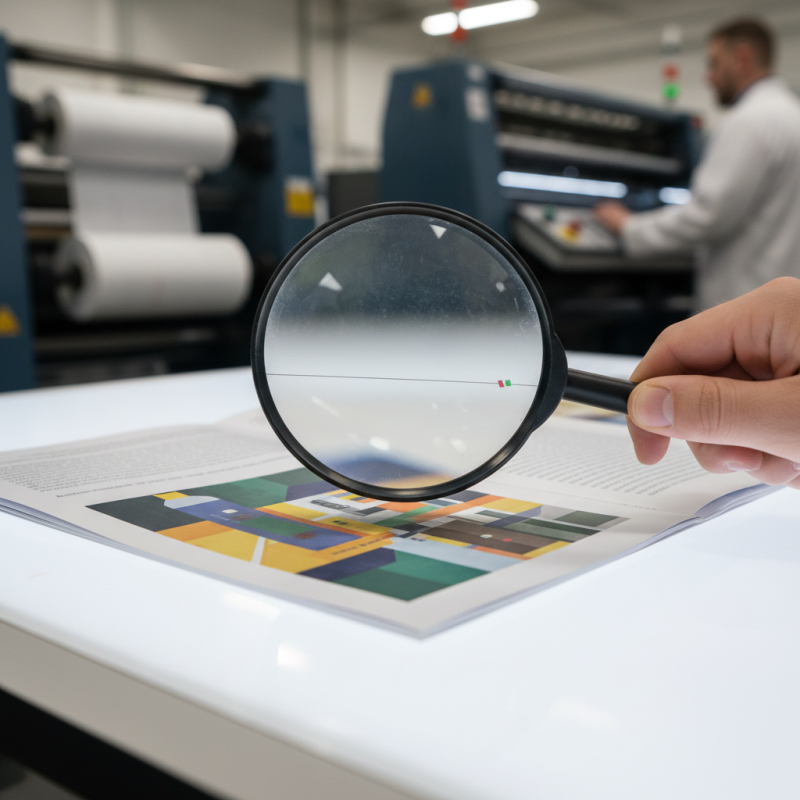
Importance of Print Inspection in Quality Control
Print inspection is a crucial part of quality control. It ensures that printed materials meet various industry standards. In sectors like packaging, any flaw can lead to significant financial losses. A study by a leading industry organization found that improper inspections can increase production costs by up to 30%. This staggering figure highlights the need for rigorous print inspection processes.
Effective print inspection helps identify issues early. Common problems include misalignment, color inaccuracies, and missing elements. In fact, nearly 40% of product recalls are related to labeling errors. Each mistake not only disrupts production but also impacts brand reputation. Companies often overlook the importance of investing in modern inspection technology that could catch these errors.
The integration of automation in print inspection has shown promising results. Automated systems significantly reduce human error. Yet, many companies still rely on outdated practices. Approximately 25% of businesses do not use automated print checks. This reliance on manual processes can be problematic. A lapse in quality might go undetected, leading to poor customer experiences. The reality is that print inspection is not just a protocol; it's an essential quality control measure that directly influences a company's success.
Key Components of Print Inspection Processes
Print inspection is vital for ensuring quality control in various industries. It involves scrutinizing printed materials for accuracy, clarity, and consistency. Key components of print inspection include visual checks, automated systems, and defect detection. Effective inspections minimize errors and enhance the final product's quality.
Visual checks are the most straightforward method. Workers can note discrepancies like colors that don’t match or misalignments. However, human error is a risk. Tips for improvement: incorporate training sessions for staff. This ensures they know what to look for during inspections. Regular team reviews can help catch missed defects.
Automated systems streamline the inspection process. They can identify defects at a faster rate. While they reduce human error, they aren't foolproof. Implement regular calibration of machines. This maintains accuracy over time. Also, remember to cross-check automated results with manual inspections. It offers a safety net for potential oversights.
Common Defects Detected by Print Inspection
Print inspection plays a crucial role in quality control. It identifies various defects that can compromise the final product. Common issues detected through print inspection include smudges, color mismatches, and misalignment. Each defect impacts product quality in different ways. Smudges can make text unreadable, while color mismatches may turn an intended design into a confusing visual. Misalignment leads to products that look unprofessional.
Reviewing these defects is essential. For instance, a small smudge might go unnoticed at first. However, on a large print run, it can affect hundreds of pieces. Color mismatches may not be evident until compared to a sample. This often results in waste and additional costs. Misalignment is another frustrating issue. It can occur due to poor calibration or handling errors.
Monitoring these defects fosters improvement. Companies can identify patterns in errors. This awareness allows them to rethink their processes. Not every print inspection will catch everything. Sometimes, human error plays a role. No system is perfect, and opportunities for learning always exist. Reflecting on past mistakes can lead to better practices in the future. Quality control is about continuous improvement.
Impact of Print Inspection on Brand Reputation
Print inspection plays a crucial role in maintaining brand reputation. A recent survey revealed that 70% of consumers associate print quality with brand trustworthiness. When a product shows poor print quality, it can create doubt. This can lead to negative perceptions that affect sales.
Additionally, a study found that consistent print errors can decrease customer loyalty by 30%. This statistic highlights the risk of neglecting print inspection. Even minor flaws can harm a brand's image. For instance, misaligned labels or faded text may appear unprofessional and careless. Such imperfections prompt customers to look for alternatives.
Moreover, in industries like food and cosmetics, precise labeling is vital. The FDA emphasizes accurate information to ensure consumer safety. Misleading labels can threaten public health and damage a brand's reputation. Hence, investing in print inspection not only safeguards quality but also builds customer confidence. Brands must reflect on their quality control processes. Neglecting print inspection can have lasting repercussions.
Technological Advances in Print Inspection Solutions
In recent years, print inspection technologies have evolved significantly. Advanced camera systems now capture images with high precision. These systems analyze print quality in real-time, identifying defects like misalignments or color variations. The integration of AI enhances their ability to learn from previous errors, aiming for continuous improvement in quality.
Despite these advancements, challenges remain. Not every defect is easily detected. Complex patterns or unusual colors can sometimes slip through the cracks. Operators need to adjust settings frequently to achieve optimal results. This demand for constant adjustments may lead to human error itself. Reflecting on these issues is crucial for refining the inspection process and the technologies utilized.
Moreover, the reliance on technology raises concerns about over-dependence. While machines can analyze data quickly, they may overlook nuanced issues that human eyes can catch. It’s essential to maintain a balance between automated inspection and human oversight. A combination of strengths from both can lead to superior quality control in print production.