Top 10 Shiny Glossy Paper Suppliers for Global Buyers

Selecting a Shiny Glossy Paper supplier takes more than comparing prices or viewing a bright sample. Buyers need to assess coating consistency, sheet smoothness, print compatibility, packaging, and delivery reliability. A glossy finish can look impressive under showroom lights, yet perform differently on a press. Small tests matter.

Paper scientist Martin A. Hubbe’s published work on paper surfaces offers a useful perspective. A buyer-focused paraphrase of that perspective is: “Gloss matters when the surface supports the intended print.” This is a paraphrase, not a verified verbatim quotation. It points to a practical question: does the paper suit your ink, image, and finishing process?

This guide examines ten suppliers serving global buyers, with attention to product range, customization, quality controls, and export experience. Ask for current technical data, sample sheets, and clear details on basis weight and finish. Check how suppliers handle color variation between batches. That detail is easy to overlook.

No supplier is ideal for every job. A packaging printer may value stiffness and scuff resistance, while a photo-printing business may prioritize image clarity and a smooth, reflective surface. Use the comparisons as a starting point, then test shortlisted papers on your own equipment. A sample can reveal more than a polished catalog.

Top 10 Shiny Glossy Paper Suppliers for Global Buyers

What Shiny Glossy Paper Is and How It Is Made

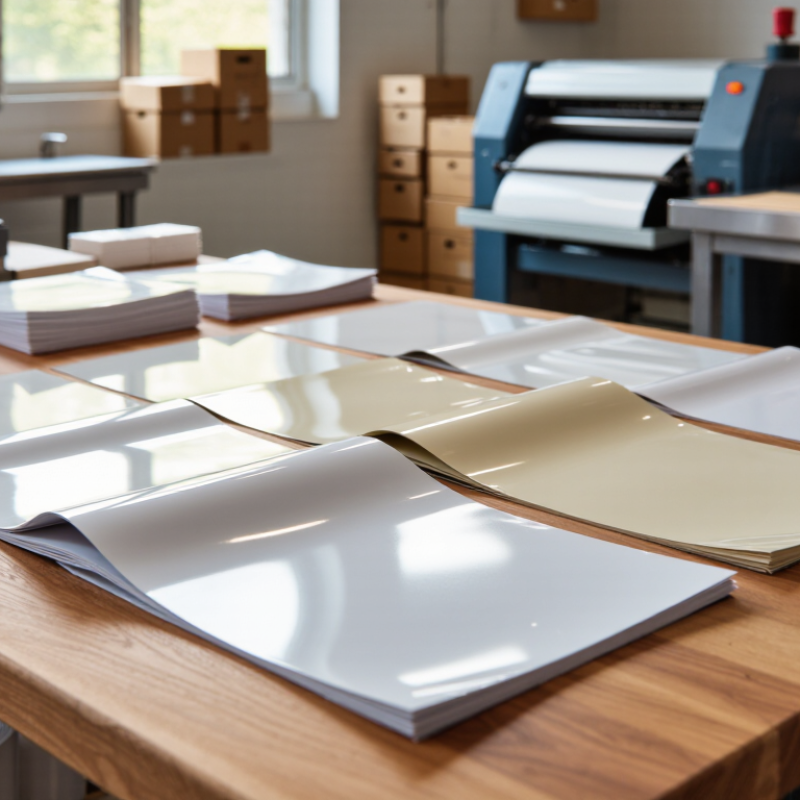
Shiny glossy paper is a coated paper with a smooth surface that reflects light clearly. Its shine comes from surface smoothness, not simply from a heavier sheet. Under a desk lamp, text and images often look sharper and colors more vivid. The finish can also reveal fingerprints and glare. Small detail matters.

Manufacturing begins with a paper base, usually made from wood pulp or recycled fiber. A coating is applied, often containing mineral pigments such as calcium carbonate or kaolin, along with binders. The coated sheet is dried, then pressed through rollers to smooth it. Some grades use a polished casting surface for extra gloss. Coating weight and pressure affect brightness, stiffness, and print performance.

For buyers, the word “glossy” alone does not define a paper’s quality. Check its grammage, coating uniformity, and intended printing method. A simple test is to tilt a sample under light and inspect for dull patches or uneven reflection. I would also compare printed samples, since a very glossy surface can make fine text harder to read. Results vary between mills, and even a good sheet may curl in humid conditions. That deserves attention.

Common Grades, Coatings, and Performance Specifications

Glossy papers are usually sold as coated-one-side (C1S), coated-two-side (C2S), cast-coated, or high-gloss art grades. Common weights run roughly from 80 to 200 g/m², but availability varies by mill and region. ISO 536:2019 defines how grammage is measured; compare tested values, not just catalogue labels. For covers, a heavier sheet can feel firm, while thin stock may curl under wet ink. Check both sides: C1S sheets suit applications needing a printable face and a less glossy reverse.

Coating chemistry affects gloss, ink holdout, drying, and rub resistance. Clay-based coatings often provide a smooth surface; polymer-rich or cast coatings can create a sharper shine. There is a trade-off. More gloss may increase glare under bright retail lighting. Ask for brightness, opacity, moisture, and surface-strength data alongside weight. ISO 2470-1 specifies diffuse blue-light brightness measurement, while ISO 8254-1 measures paper gloss at 75 degrees. These methods make supplier samples easier to compare, though results from different test methods are not interchangeable. Request a printed sample and test it on the intended press. A specification sheet cannot reveal every feeding or drying problem. Small details matter. Check the stated tolerance, test direction, and conditioning conditions before approving a bulk order.

How to Evaluate Shiny Glossy Paper Suppliers

When comparing shiny glossy paper suppliers, treat the finish as a measurable performance, not a catalog adjective. Request sheets from the same grade and check gloss under consistent lighting. Samples matter. Look for streaks, pinholes, edge curl, and coating marks across several sheets, not just the best-looking page. Record paper weight, thickness, whiteness, and surface feel so you can compare offers on equal terms.

Test the paper on the equipment and with the inks or toner you actually use. A sheet that looks bright under showroom lights may show fingerprints or uneven color after printing. Check drying time, rub resistance, and whether fine text stays sharp. A small trial run often reveals more than a specification sheet. Keep the settings consistent; otherwise, it is hard to tell whether the paper or the printer caused a problem.

Ask suppliers how they maintain batch consistency, protect paper from moisture, and handle damaged deliveries. Request clear specifications, sample identification, and realistic lead times in writing. It is tempting to choose the lowest quote, but freight, minimum quantities, and variable quality can change the real cost. No checklist removes every uncertainty. If one sample performs poorly, ask why before rejecting the supplier; storage or handling may have affected it.

How to Evaluate Shiny Glossy Paper Suppliers

Compare gloss readings only when suppliers use the same measurement geometry and test method. The chart shows the standard measurement angles: ASTM D523 uses 20°, 60° and 85° geometries, while ISO 8254-1 specifies 75° for paper and board.

When requesting samples or quotations, ask suppliers to state the test standard, measurement angle and reported gloss value so results can be compared consistently.

Top 10 Shiny Glossy Paper Suppliers for Global Buyers

Global buyers comparing shiny glossy paper suppliers should look beyond surface shine. Ask for samples in the exact weight, coating, and finish you plan to order. Under bright light, check for streaks, uneven gloss, pinholes, and color shifts. Then print on the sheets. A smooth sample may still feed poorly through a fast press.

Tips: Request technical data for grammage, thickness, brightness, and moisture. Confirm sheet size, roll width, packaging, minimum order quantity, and realistic lead time. Ask how the supplier protects paper from humidity during transit. Small details matter.

Reliable suppliers can explain production tolerances and provide consistent specifications across repeat orders. Compare sample batches, not just one attractive sheet. Discuss payment terms, shipping responsibilities, and how damaged or out-of-spec goods are handled before placing a large order. If possible, test the paper on your own equipment; coating performance can change with ink, drying settings, and storage conditions. I would not rely on gloss figures alone. They are useful, but they do not tell the whole story. Keep written records of the approved sample and order requirements, so both sides can refer to the same details when production begins.

How to Manage International Orders, Shipping, and Quality Checks

When comparing glossy paper suppliers, turn the product brief into measurable specifications before requesting quotes. State paper weight, sheet or roll size, gloss level, coating side, core diameter, and moisture limits. Ask for a production sample from the same grade, not a showroom swatch. Small differences matter.

For international orders, confirm the quantity, currency, payment milestones, lead time, and delivery terms in writing. Check whether the freight quote includes export packing, port charges, insurance, customs responsibilities, and final delivery. A pallet may look secure but still shift during a long sea journey. Request photos of wrapped pallets, corner protection, labels, and container loading. Keep a buffer.

Before dispatch, agree on an inspection plan with acceptable limits for curl, coating marks, dust, and shade variation. Keep retained samples and record lot numbers so any claim can be linked to a specific shipment. At arrival, inspect several packages, not only the top sheet. If defects appear, photograph them beside a ruler and report them promptly. One lesson is easy to miss: a rushed approval can save days, then cost a full reprint.

Top 10 Shiny Glossy Paper Suppliers for Global Buyers - How to Manage International Orders, Shipping, and Quality Checks

A practical comparison of ten paper-sourcing markets, not a ranked list of named companies. Product availability, specifications, prices, and delivery schedules vary by mill and order; confirm them directly with each prospective supplier.

No. Sourcing market Glossy paper options to ask about Order and supplier checks Shipping and documentation Quality checks before approval
1 China Ask about coated art paper, gloss-coated paperboard, and sheet or reel formats. Specify the intended printing process and end use. Confirm the producing mill, available grammages, minimum order quantity, production schedule, and whether samples come from the same grade as the order. Agree on the named port, Incoterms® rule, container-loading plan, and export documents. Protect paper from moisture during inland transport and ocean transit. Check grammage, sheet dimensions, coating uniformity, surface gloss, packaging condition, and consistency across sampled sheets or reels.
2 India Request specifications for coated printing grades and glossy paperboard, including sheet or reel availability and any coating options. Ask for a written specification sheet, production origin, sample policy, order quantity thresholds, and confirmation of repeat-order consistency. Confirm the actual export port and route with the supplier or forwarder. Match the commercial invoice, packing list, and shipping instructions to the purchase order. Measure grammage and dimensions; inspect gloss, coating coverage, edge condition, and wrapping. Test printability using the buyer’s intended process.
3 Indonesia Check whether the supplier can provide the required coated paper grade, finish, basis weight, and reel or sheet format for the application. Verify product availability against the requested specification rather than relying on a general product description. Request current samples and a confirmed production schedule. Confirm the loading port, transit route, container availability, and moisture-protection method. Include shipment marks and packing requirements in the order. Inspect for moisture damage, curl, coating defects, telescoping or damaged reels, and variation in gloss and grammage.
4 Thailand Ask about coated printing papers and board grades with a gloss finish, and confirm suitability for the planned printing and finishing operations. Check the exact grade, tolerances, available formats, MOQ, lead-time commitment, and whether production can be traced to a mill or batch. Specify the agreed Incoterms® rule and delivery point. Have the forwarder verify the route, booking schedule, cargo insurance, and required import documents. Review sample sheets for surface smoothness, gloss consistency, coating pick, and print performance. Compare delivered goods with the approved sample.
5 Vietnam Request details on locally available coated paper and paperboard grades; confirm whether the requested finish and grammage are produced or sourced to order. Establish who manufactures the paper, what documentation identifies the grade, and how claims or replacement requests are handled. Confirm the export gateway and final delivery terms in writing. Check pallet dimensions, container loading, shipment cut-off dates, and document deadlines. Check packaging and moisture barriers on arrival, then test grammage, dimensions, surface appearance, gloss, and performance on the intended press.
6 South Korea Ask suppliers to identify suitable coated paper grades by application, finish, grammage, and printing process rather than selecting on gloss alone. Request a technical data sheet, grade identification, sample approval procedure, and written tolerances for key physical properties. Confirm the named port, shipment terms, packing method, and original or electronic document requirements with the supplier and forwarder. Compare the shipment with the signed specification; check gloss, grammage, caliper, dimensions, coating defects, and lot-to-lot variation.
7 Japan Discuss coated paper grades and finish options for the intended print application; availability of a specific specification must be confirmed with the supplier. Ask for precise product identification, technical documentation, sample availability, order quantity conditions, and confirmation of production or sourcing origin. Agree on packing and shipping instructions, the export port, Incoterms® rule, and required customs documentation before production is released. Use an approved reference sample and agreed test methods. Inspect surface finish, gloss uniformity, dimensions, grammage, and transit-related damage.
8 Germany Ask about coated printing paper and board grades suitable for the buyer’s application, with the required gloss finish and sheet or reel dimensions. Confirm the specific grade and production site, request technical data, and agree on acceptance tolerances and a process for reporting nonconformities. For international shipments, confirm the dispatch point, delivery terms, pallet specifications, and transport documents. Check whether the route is road, rail, sea, or multimodal. Verify grade identification, grammage, caliper, sheet or reel dimensions, surface finish, and condition of pallet wrapping on receipt.
9 Finland Ask whether the requested coated paper or board grade is available in the required format and finish; confirm suitability for the buyer’s print and converting process. Request current product data, sample material, written tolerances, and confirmation that the quoted grade matches the approved specification. Agree on the shipping route and delivery point. For longer transport, define moisture protection, pallet handling, cargo insurance, and document responsibilities. Inspect for moisture exposure and handling damage; test grammage, caliper, dimensions, gloss, and printability against the approved sample.
10 Italy Ask about coated paper and paperboard options with a glossy finish, specifying end use, printing method, grammage, and required format. Confirm whether the seller is the producer or a distributor, identify the exact grade, and document agreed sample approval and quality tolerances. Confirm the dispatch location, delivery terms, pallet configuration, and required transport documents. Align shipment dates with the receiving warehouse’s capacity. Check grade and batch references, packaging, dimensions, grammage, gloss consistency, coating appearance, and performance in a production trial.

Buyer note: Gloss alone does not define print quality. Put the required grammage, caliper, dimensions, gloss measurement method, coating characteristics, tolerances, packaging, and inspection procedure in the purchase specification. Shipping times and costs depend on route, season, carrier, customs clearance, and the agreed Incoterms® rule.

Back to top