How to Source Belaz Parts for Your Heavy Machinery Needs?
Sourcing Belaz Parts for heavy machinery can be daunting. With the right approach, you can streamline the process. Belaz Parts are essential for maintaining the performance of your equipment. However, finding reliable sources can be challenging.
You need to know where to look. Online platforms offer a wealth of options, but not all are trustworthy. It’s crucial to evaluate suppliers thoroughly. Customer reviews and ratings provide insights into their reliability. Consider reaching out to industry professionals for recommendations. Their experience can save you from potential pitfalls.
Remember, using genuine Belaz Parts is vital for the longevity of your machinery. It might take time and effort to locate the best sources. Don’t rush the process; taking shortcuts can lead to more issues down the line. Embrace the challenge and stay informed. The right decisions will pay off in the long run.
Understanding Belaz Heavy Machinery and Its Components
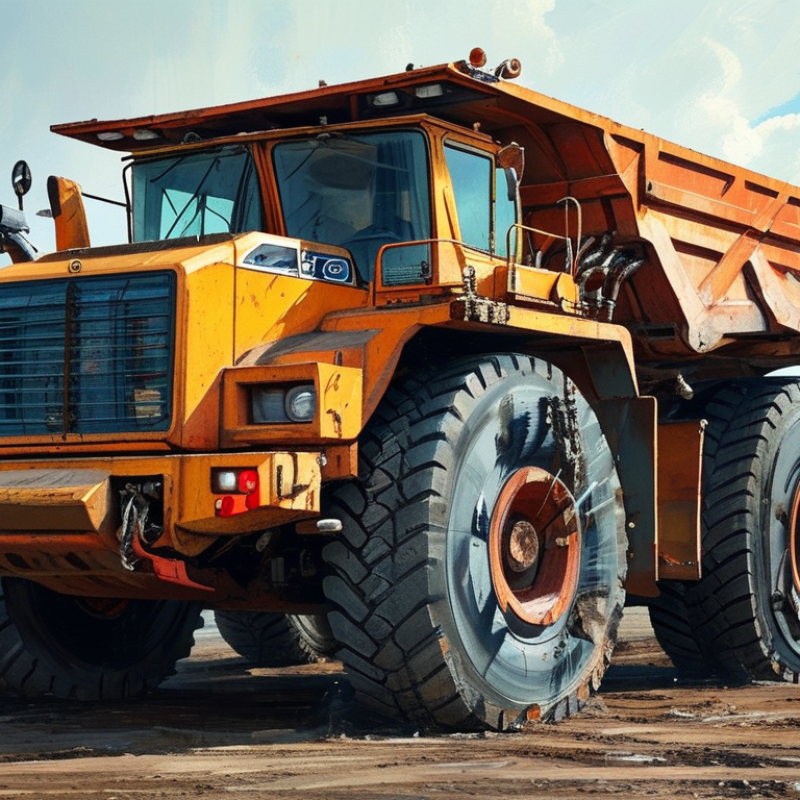
Belaz heavy machinery is known for its durability and efficiency. These machines play a crucial role in mining and construction. Each component of a Belaz unit contributes to its overall performance. Understanding these components is vital for maintenance and sourcing parts.
The trucks utilize large tires, powerful engines, and advanced hydraulic systems. These elements require regular attention. A breakdown in one part may lead to costly downtime. Operators should familiarize themselves with the machinery’s manual, to grasp the specifics of each component. This knowledge aids in identifying when replacement parts are necessary.
Finding reliable sources for parts can be challenging. Many aftermarket options exist, but not all ensure quality. Compare specifications carefully. Trustworthy suppliers usually provide detailed product information. Researching potential vendors builds confidence in your choices. Engaging with online forums can also reveal insights from experienced operators.
Identifying the Right Belaz Parts for Your Equipment
When sourcing Belaz parts for heavy machinery, identifying the correct components is crucial. This process often begins with understanding the specific equipment model in use. Comprehensive catalogs and parts manuals are invaluable. However, not all catalogs are up to date. Cross-referencing parts with multiple sources can help avoid discrepancies. For instance, equipment downtime can occur due to a simple misidentification of parts. Reports indicate that around 37% of machinery downtime is linked to part failures.
Obtaining the right parts involves knowing their specifications. Consider the size, type, and performance ratings of components. Poor quality or incompatible parts cause not just inefficiency but also safety hazards. In a study, it was noted that nearly 25% of heavy machinery accidents stem from equipment failures linked to inadequate maintenance or improper parts. Therefore, accurate documentation of the equipment’s operational needs is essential.
Engaging with reliable suppliers is another step. Suppliers should provide thorough documentation and support. However, some might overstate their expertise or fail to deliver. Establishing a relationship based on transparency is vital. This way, you can ensure that you are sourcing genuine parts. A consistent approach to sourcing not only optimizes machinery performance but also lengthens its operational life.
Top Suppliers for Belaz Parts and Their Reliability
Sourcing parts for heavy machinery, particularly Belaz models, requires careful planning and reliable suppliers. Many operators face challenges finding quality components. Recent reports indicate that the demand for heavy machinery parts has increased by 15% annually. This is due to aging equipment and ongoing industrial projects worldwide.
Top suppliers often stand out based on reliability and quality assurance. Industry data shows that suppliers with a robust warranty program tend to retain 30% more clients. However, there are risks. Some suppliers may not meet delivery deadlines or quality standards. It’s essential to check supplier reviews and certifications thoroughly. Many operators recommend building relationships with multiple suppliers to mitigate risks.
Cost is another critical factor. Reports suggest that sourcing from established suppliers may save up to 20% on long-term maintenance costs. Yet, it is vital to balance cost with quality. Spending less initially can lead to more significant issues down the line. Identifying reliable suppliers and maintaining quality can be an ongoing process. This often evolves through trial and error, combined with transparent communication.
The Process of Ordering Belaz Parts: A Step-by-Step Guide
Sourcing parts for heavy machinery can be a daunting task. Understanding the ordering process is crucial. Start by identifying the specific parts you need. Create a detailed list to streamline your search.
When looking for Belaz parts, consider multiple suppliers. Evaluate their inventory carefully. Some may not stock all required components. Reach out directly for availability. This proactive approach can save time and frustration.
Tips: Keep your records organized. Maintain a folder with quotes and catalogs. This way, you avoid repeated calls. Establish relationships with suppliers. Building rapport can lead to better service and faster delivery.
Pay attention to quality. Sometimes, cheaper parts can lead to bigger issues later. It’s essential to balance cost and reliability. Be prepared to invest in parts that ensure safety and efficiency. Your machinery depends on it.
Lastly, consider tracking your orders. Knowing the status helps manage expectations. Regular follow-ups may seem tedious, but they provide peace of mind in operations. Each step contributes to effective machinery management.
Tips for Maintaining and Replacing Belaz Parts Effectively
Maintaining and replacing parts for heavy machinery, like Belaz equipment, requires attention to detail. Engineers emphasize that proper sourcing and upkeep can reduce repair costs by up to 30%. Regular maintenance extends the life of components. It’s crucial to track wear levels and replace parts before catastrophic failures occur.
One effective tip is to develop a maintenance schedule. This schedule should include routine inspections every 500 hours of operation. During these checks, look for signs of wear. Metal fatigue can be subtle but often leads to unexpected downtime. Industry data suggests that preemptive part replacement can improve machinery availability by over 25%.
Consider using OEM parts for replacements. They often come with warranties and better fitting. Using aftermarket parts may seem attractive but can compromise performance. Always keep a log of all parts replaced. This information can be invaluable for future repairs and helps in budgeting. Reflection on past repairs can guide better choices moving forward.