7 Tips for Choosing a Can Body Making Machine?
Selecting a Can Body Making Machine is a production decision, not a simple equipment purchase. The right model affects forming accuracy, line speed, material waste, operator safety, and long-term maintenance costs. A machine may look impressive in a showroom, yet perform differently beside your actual press line. That gap matters. Steel thickness, can diameter, body height, coating type, and expected output should guide every comparison. Real factory conditions matter more than polished brochures. Experienced buyers inspect sample cans, measure seams, and review changeover time before approving a supplier. They also ask how quickly replacement parts arrive and who provides technical support after installation.
This article presents seven practical tips for evaluating a Can Body Making Machine with greater confidence. It considers machine construction, compatible materials, production capacity, energy use, automation, safety controls, and supplier reliability. Look for documented test results, clear specifications, training plans, and service records. Do not trust vague promises. A reliable manufacturer should explain tolerances and identify operating limits honestly. Buyers should calculate total ownership costs, including tooling, lubrication, electricity, downtime, and skilled labor. A cheaper machine can become expensive when minor faults stop an entire line. Still, no checklist predicts every factory problem. Dust, humidity, inconsistent sheet quality, or rushed commissioning may expose weaknesses later. That is why a supervised trial using your materials remains valuable. Careful questions may feel slow. They prevent costly mistakes.
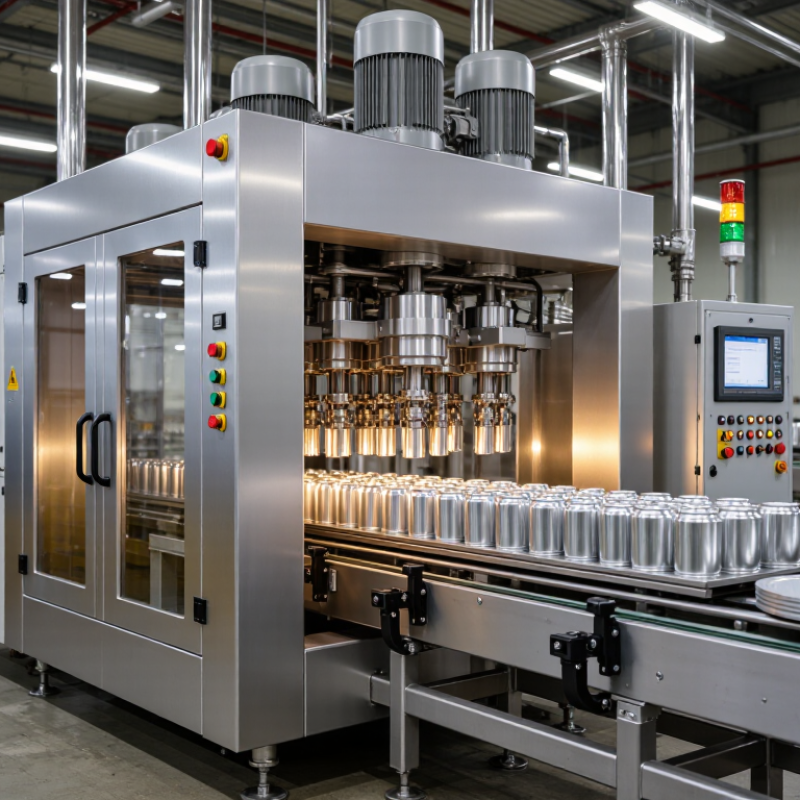
Understand Can Body Making Machine Types and Applications
Choosing a can body making machine starts with the container, not the machine name. A two-piece draw-and-ironing line suits high-volume beverage and food cans. A three-piece welded line offers flexible heights, diameters, and smaller production runs. Draw-redraw equipment can support thicker steel bodies and demanding shapes. Application requirements define the correct forming route. The wrong type creates scrap, changeover delays, and expensive tooling changes. Type matters most.
The MarketsandMarkets Metal Cans Market report projects a 4.5% CAGR. It values the market at USD 62.9 billion in 2023 and USD 78.4 billion by 2028. This growth makes throughput important, but speed claims require scrutiny. Request tested output using your actual alloy, gauge, diameter, and wall profile. Check forming accuracy, changeover time, material yield, power use, safety interlocks, and spare-parts availability. These details often matter more than headline capacity.
A line rated at 300 cans per minute may disappoint when rejects increase. Ask for a factory trial. Inspect flange cracks, wrinkles, wall thickness, and dimensional consistency. Measure energy per thousand cans, rather than accepting broad efficiency claims. The PMMI Packaging Machinery Opportunities report also highlights automation and data visibility as major investment factors. Useful systems should record stoppages and reject causes clearly. Some choices remain uncomfortable. A lower purchase price can hide weaker technical support, longer recovery time, or unstable quality.
Define Production Capacity and Can Size Requirements
Before choosing a can body making machine, define your real production target. Do not rely on a sales brochure’s maximum speed. Record your daily output, working hours, planned maintenance, and expected downtime. A machine rated for 3,000 cans per hour may produce fewer during regular operation. Allow a practical margin of 15 to 20 percent.
Can size is equally important. List the minimum and maximum diameter, height, metal thickness, and body shape you need. A narrow food can and a tall industrial can may require different forming tools. Check whether the machine supports quick tooling changes. This matters when production includes several sizes. Changeovers can quietly consume hours each week.
Ask for measurable details. Request sample cans from a trial run, not only photographs. Inspect the side seam, flange shape, roundness, and surface marks. Measure the finished body with gauges and calipers. Small errors can cause problems during filling or seaming. We once underestimated changeover waste because our calculation covered only machine time. That assumption was weak. Include setup scrap, operator training, and adjustment time in your capacity model. Also confirm the machine’s electrical requirements, floor space, compressed-air demand, and maintenance access before installation. A compact layout may look efficient, but cramped access can delay repairs.
7 Tips for Choosing a Can Body Making Machine: Define Production Capacity and Can Size Requirements
Typical recommended line capacities decrease as can diameter and height increase. Use these planning benchmarks to match the machine’s rated output with your target can format and production volume.
The figures represent practical continuous production targets in cans per minute for common two-piece steel or aluminum can formats. Allow additional capacity for changeovers, maintenance, material handling, and normal production losses.
Evaluate Machine Structure, Materials, and Manufacturing Precision
Choosing a can body making machine requires more than comparing output speed. Inspect the frame first. A welded steel structure should resist vibration during high-speed forming. Ask for measured noise, deflection, and alignment data under production load. A rigid base protects seam quality and reduces adjustment time.
Materials matter directly. Product-contact parts should resist corrosion and repeated cleaning. Stainless steel grades, surface finish, and heat treatment deserve written verification. The Smithers report, The Future of Global Metal Packaging to 2029, identifies lightweighting and resource efficiency as major metal-packaging priorities. A machine that wastes sheet metal weakens both cost control and sustainability claims. Check scrap rates using your actual material thickness.
Precision needs evidence. Examine servo repeatability, die alignment, lubrication control, and sensor response. Request sample cans, dimensional records, and inspection methods from a witnessed trial. The ISO Survey 2023 reports more than 1.2 million ISO 9001 certificates worldwide, but certification alone does not prove machine accuracy. Review calibration records and corrective-action history. Small errors become visible as dents, unstable walls, or inconsistent flanges. They also become expensive. In my experience, suppliers sometimes show ideal samples, not ordinary production. That deserves skepticism. Leave time for a second trial, and measure cans after extended operation, not only after startup.
Compare Automation, Energy Use, Maintenance, and Safety Features
Choosing a can body making machine starts with automation level, not the biggest output number. A fully automated line can reduce handling errors, yet it may require specialist technicians and costly sensors. Compare cycle data, changeover time, reject rate, and operator access. The International Energy Agency reports that industry consumes about 37% of global final energy. Energy measurement is therefore a purchasing requirement. Ask for kWh per 1,000 cans, including conveyors, compressors, and idle periods. Small gaps matter. Servo drives, regenerative braking, and sleep modes can lower energy use.
Maintenance evidence should be practical. Request lubrication maps, spare-part lead times, fault histories, and diagnostic rules. McKinsey reports that predictive maintenance may reduce downtime by 30–50% and maintenance costs by 10–40%. These figures are not guarantees. Poor sensors create confident but wrong alarms. Test access to dies, guards, electrical cabinets, and reject stations during a simulated fault. Count minutes, not promises. A dashboard helps only when technicians trust the readings.
Safety needs independent scrutiny. ISO 12100 defines risk-assessment principles, while ISO 13849-1 addresses safety-related control systems. Check interlocked guards, emergency stops, safe-speed functions, noise exposure, and stored pneumatic energy. Ask for validation records, not only a conformity label. NIOSH recommends engineering controls before administrative controls and personal protective equipment. More automation is not automatically safer. Complex recovery sequences can confuse operators during rushed changeovers.