Essential Tips for Choosing a Bridge Rectifier Production Factory?
Choosing a Bridge Rectifier Production Factory is a critical decision for manufacturers in the electronics sector. The global bridge rectifier market is projected to grow significantly, reaching USD 1.2 billion by 2025, according to industry reports. This growth is driven by the increasing demand for efficient power conversion in electronic devices. As the market expands, selecting the right factory becomes crucial for quality and cost-effectiveness.
When evaluating potential factories, consider their experience and technological capabilities. A factory with advanced production methods ensures high-quality products. Research shows that factories with a strong reputation typically achieve lower failure rates and higher customer satisfaction. Look for certifications and production standards that reflect their commitment to excellence.
Additionally, reliable supply chains and timely delivery are essential. Delays can lead to increased costs and lost opportunities. Understanding a factory's past performance can provide insights into their operational reliability. However, not all factories meet these expectations, and missteps can lead to significant setbacks. Therefore, it's vital to approach your selection process with careful consideration, balancing cost and quality to make an informed decision.
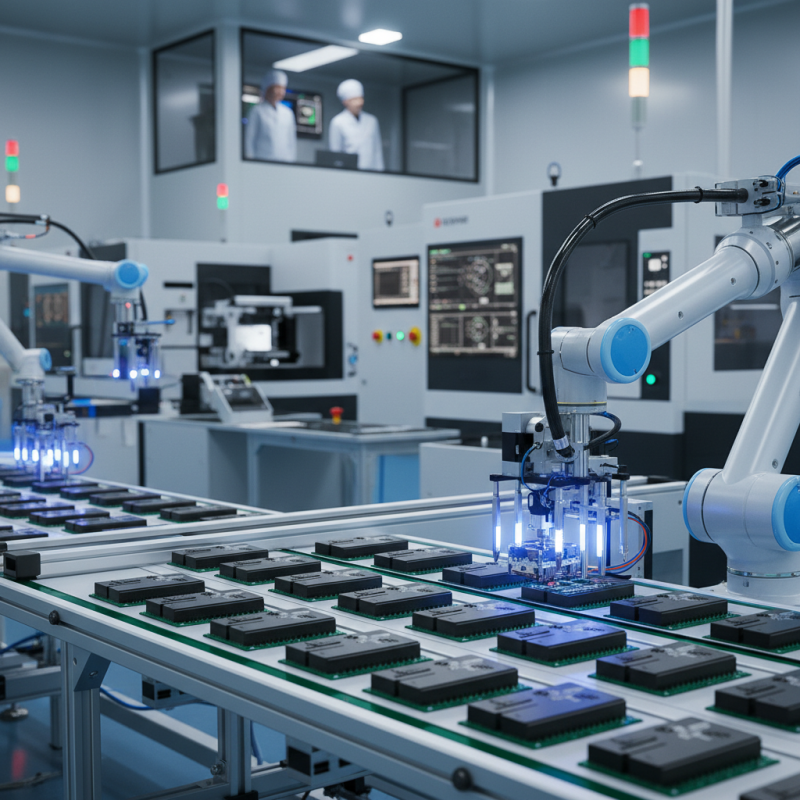
Understanding the Basics of Bridge Rectifiers in Electronic Circuits
Bridge rectifiers play a crucial role in electronic circuits. They convert alternating current (AC) to direct current (DC). This process is essential for powering various devices. Understanding how they function can greatly help in selecting a suitable factory for production.
The basic structure of a bridge rectifier consists of four diodes arranged in a bridge configuration. This allows both halves of the AC wave to be utilized. The efficiency of the conversion process can heavily depend on the quality of the components used. Inadequate diodes or poor circuit design can lead to significant energy loss.
When evaluating factories, focus on their production quality and testing methods. Ask about their quality assurance processes. Are they using advanced technology? The factory’s experience in producing reliable components can heavily influence the overall performance of your electronic product. A manufacturer’s credibility can greatly affect the longevity and efficiency of the bridge rectifiers produced.
Key Factors to Consider When Choosing a Manufacturing Facility
When selecting a bridge rectifier production factory, several key factors should guide your decision. Understanding these factors can significantly affect the quality and reliability of your products. It's essential to prioritize factories with demonstrated expertise in electronics manufacturing. Look for facilities with certified processes that ensure consistent quality.
Experience is essential. Factories with a proven history in bridge rectification demonstrate reliability. They often have established quality control measures. This experience translates into better product outcomes. Investigate their production capabilities. A facility equipped with advanced technology will likely deliver superior products.
Assessing the materials used in production is equally crucial. Factories that utilize high-grade materials often yield better performance and longevity in their rectifiers. Pay attention to the factory’s ability to provide tailored solutions. Customization capabilities can be vital for your specific needs. Communicate your requirements clearly; this process should be collaborative.
Lastly, consider the factory's commitment to compliance with industry standards. Compliance ensures both safety and efficiency in production. A lack of compliance can lead to significant issues down the line. Always prioritize communication with potential factories. Effective communication can reveal a lot about their operational transparency and customer support.
Evaluating Quality Standards and Certifications for Production
When selecting a bridge rectifier production factory, evaluating quality standards is crucial. The factory's certifications reflect its commitment to excellence. Look for ISO certifications, as they indicate adherence to international quality management systems. These standards ensure consistent production and reliable performance.
Explore the factory’s testing procedures. A reliable factory will have rigorous testing protocols. These might include electrical testing, thermal cycling, and lifespan assessments. Such procedures guarantee that the rectifiers meet safety and efficiency benchmarks.
Consider the factory’s experience in the field. A well-established factory likely has a solid reputation and industry knowledge. However, not all experienced factories maintain modern practices. Investigate recent customer feedback to gauge ongoing reliability. This step can expose potential issues that certifications may not reveal.
Essential Tips for Choosing a Bridge Rectifier Production Factory
| Criteria | Importance Level | Quality Standards | Certifications |
| Manufacturing Experience | High | ISO 9001 | CE Certification |
| Production Capacity | Medium | IATF 16949 | UL Listed |
| R&D Capability | High | RoHS Compliance | REACH Compliance |
| Customer Reviews | High | EN 61000-3-2 | ISO 14001 |
| Technical Support | Medium | IPC-A-610 | TS16949 |
Analyzing Production Capacity and Delivery Timelines
When evaluating a bridge rectifier production factory, one must scrutinize production capacity and delivery timelines. A factory's output capability is crucial. According to industry reports, many manufacturers struggle to meet the required production rates. This mismatch can lead to delays in project timelines.
Delivery timelines are equally significant. A factory that promises quick turnaround often cannot deliver on that promise. Research indicates that nearly 40% of electrical component companies experience delays. This can disrupt your supply chain and affect overall project success.
It's also vital to consider scalability. Factories that cannot adapt production rates to your needs may not be reliable partners. Flexibility in production is increasingly important in a volatile market. A thorough review of past performance can provide insights into a factory's reliability. This data-driven approach can help ensure a sound choice.
Assessing Cost-Effectiveness and Supplier Reputation in the Industry
When selecting a bridge rectifier production factory, assessing cost-effectiveness is crucial. A low price may seem appealing, but it can come with hidden costs. Analyze each quote carefully. Understand what is included and what is not. Quality control processes should be a top priority. A factory that prioritizes quality often has higher production costs but can save you money in the long run.
Supplier reputation plays a vital role in this selection. Research online reviews and seek recommendations from industry peers. A reliable supplier often demonstrates a track record of delivering consistently high-quality products. It’s essential to consider their response time for inquiries and ability to meet deadlines. Poor communication can be a red flag. Assessing their certifications provides further insight into their quality standards.
Look for factories that openly share information on their production methods. Transparency is a sign of reliability. Engage with them directly to gauge their level of expertise. An informed supplier can offer valuable insights. However, be cautious of those that make unrealistic claims. Establishing a relationship with a reputable factory requires patience and diligence. Consider all these factors carefully before making your final decision.
Cost-Effectiveness Analysis of Bridge Rectifier Production Factories