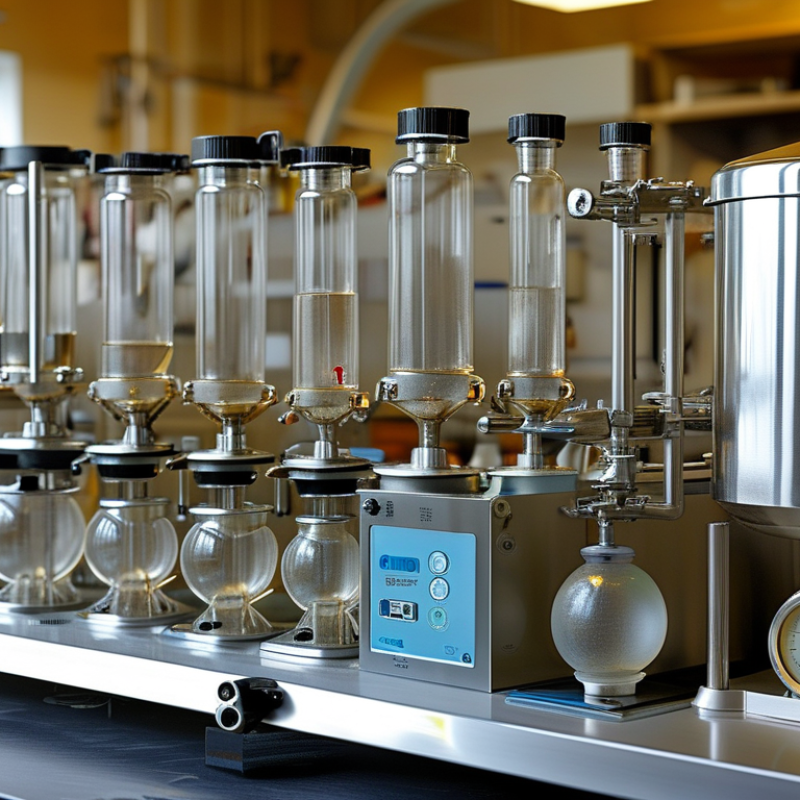
10 Tips for Choosing the Right Vacuum Filtration Apparatus?
When selecting a Vacuum Filtration Apparatus, the choices can be overwhelming. Quality and efficiency play crucial roles in your decision. This process is essential for both laboratory and industrial applications. A poor choice could lead to subpar results.
Consider different aspects. Each type of apparatus serves specific needs. A diverse range of materials and designs exists. Familiarizing yourself with these variations is vital. Inadequate knowledge can lead to mistakes. Recognizing what works best for your tasks enhances your filtration process.
Decisions should be based on experience and expertise. It is important to assess your requirements thoroughly. Take time to reflect on your options. A small oversight can compromise your project’s success. Investing effort in choosing the right Vacuum Filtration Apparatus pays off in the long run.
Understanding the Basics of Vacuum Filtration Apparatus
Vacuum filtration apparatus serves as a crucial tool in laboratories, facilitating the separation of solids from liquids. Understanding how these devices work helps ensure effective results in various applications. They utilize a vacuum to create a pressure differential, drawing liquids through a filter while leaving solids behind. This process is essential in fields like pharmaceuticals and environmental science.
Selecting the right vacuum filtration system requires attention to several factors. The size of the apparatus matters significantly. Larger filters can handle more volume but may take longer. Durability is also important. Glass filters are common, but they can break easily. It's worth considering alternatives, such as stainless steel or polymers. Each material has strengths and weaknesses, impacting reliability and ease of cleaning.
Efficiency is key in achieving reliable results, yet improper setup may lead to leaks or incomplete filtration. Checking seals and fittings can help mitigate these issues. Regular maintenance and a commitment to ongoing learning are essential for maximizing the effectiveness of any vacuum filtration system. Engaging with peers and experts can reveal insights that improve the overall filtration process.
Key Features to Look for in a Vacuum Filtration System
When selecting a vacuum filtration system, understanding key features can significantly enhance your choice. Efficiency is paramount. A report from the American Chemical Society indicates that systems with high vacuum levels can reduce filtration times by up to 40%. This efficiency can lead directly to improved productivity in laboratory environments.
Another crucial aspect is material compatibility. For instance, glass systems are often recommended due to their chemical resistance. It’s essential to ensure that the materials used won’t react with your samples. Many users overlook this, leading to contamination. The design of the apparatus also matters. A well-designed filtration apparatus minimizes dead volumes, which can trap valuable samples and skew results. This design feature is often found in high-end systems and can drastically affect the reliability of your experiments.
Maintenance is often an afterthought, yet it significantly impacts performance. Regular cleaning and inspection can improve lifespan and efficiency. Neglecting this can lead to deteriorated performance, which may not be immediately obvious. Choosing a vacuum filtration system is nuanced. Balancing factors such as efficiency, material compatibility, and maintenance requirements can make all the difference in achieving optimal results.
10 Tips for Choosing the Right Vacuum Filtration Apparatus - Key Features to Look for in a Vacuum Filtration System
| Feature | Description | Importance |
| Material | Choose corrosion-resistant materials such as glass or stainless steel. | High |
| Filtration Medium | Select appropriate filter paper or membranes for specific applications. | Critical |
| Size | Consider the volume of solution to be filtered to determine the size required. | Medium |
| Vacuum Source | Check compatibility with your existing vacuum pump or system. | High |
| Ease of Use | Look for designs that facilitate easy setup and operation. | Medium |
| Maintenance | Evaluate how easy it is to clean and maintain the apparatus. | High |
| Safety Features | Ensure the apparatus has safety measures to prevent accidents during usage. | Very High |
| Portability | Consider if the system is portable for different lab setups. | Medium |
| Cost | Compare prices while ensuring quality and necessary features are met. | High |
| Warranty and Support | Check for warranty and manufacturer support for troubleshooting. | Medium |
Assessing Material Compatibility for Filtration Needs
When selecting a vacuum filtration apparatus, assessing material compatibility is crucial. Different materials react uniquely to filtration processes. For instance, harsh chemicals may degrade plastic components. Understanding these interactions can prevent equipment failure. A thorough evaluation ensures the apparatus meets safety and efficiency standards.
Consider the type of substances you will filter. Solvents, acids, and biological samples can all pose different challenges. Glass may be suitable for some chemicals, while others may require specialized materials. An overlooked detail could lead to significant issues down the line. It’s essential to weigh all possible outcomes.
Testing material under various conditions can provide valuable insights. For example, conducting small-scale trials can reveal hidden incompatibilities. Documenting these findings will guide future choices. Neglecting this step may result in costly mistakes and reduced lab performance. Therefore, a proactive approach to material compatibility is vital for effective filtration.
Evaluating Performance and Efficiency of Different Models
When evaluating the performance and efficiency of vacuum filtration apparatuses, several factors come into play. The material quality of the apparatus significantly impacts its filtration capabilities. Users should seek equipment made from robust materials that resist corrosion and wear. This extends the lifespan and ensures reliable performance during experiments.
Another important aspect is the filtration speed. Different models offer varying flow rates, which can noticeably affect efficiency. A model that filters too slowly can lead to bottlenecks in your workflow. It’s also crucial to evaluate the ease of cleaning. A complex design might seem appealing, but if it's difficult to maintain, it could hinder both performance and safety.
Consider the compatibility of the apparatus with your specific application. Not all models fit every experimental context. Improper selection can lead to subpar results or experiment failure. Collecting feedback from experienced users can shed light on potential shortcomings. Always investigate common issues and challenges associated with certain models. This pursuit of knowledge ensures a well-informed decision on the most suitable vacuum filtration apparatus.
Considering Budget and Long-term Investment in Equipment
When selecting a vacuum filtration apparatus, consider your budget alongside long-term investment. A higher initial investment might lead to savings over time. Look for equipment with durability and efficiency. It pays off in the long run.
Think about operation costs. Quality filters can be pricey, but cheaper options might require frequent replacement. You need to find a balance here. Ask yourself: will a high-end model reduce maintenance and downtime costs?
Assess the size and capacity of the apparatus. Does it meet your current needs without being excessively large? A compact model might save space and money. Ensure it's easy to clean and maintain. An extra step in maintenance can sometimes mean you need to reconsider your choice. Don't ignore user reviews. They often reveal long-term performance you can't see on paper.