Top 10 Types of Food Boxes for Global Buyers
For global buyers, choosing the right Food Boxes involves more than selecting an attractive shape. Packaging must protect products during filling, storage, shipping, customs handling, and last-mile delivery. A bakery box may need grease resistance, while a frozen meal carton requires strength in cold, damp conditions. These differences influence product safety, shelf life, branding, labor, and total cost. They also affect how easily workers can pack, stack, open, and recycle each box.
Small details matter. A weak corner can collapse a pallet. A loose lid can damage an order. This guide explores ten practical types of Food Boxes, including folding cartons, corrugated shipping boxes, kraft takeaway boxes, window boxes, and insulated designs. Each option has useful strengths, but none is perfect for every product or market. Material thickness, food-contact suitability, printing quality, moisture resistance, and storage conditions deserve careful review. Supplier samples should be tested with the actual product before a large purchase. Theory is not enough.
Global requirements can also vary by destination. Buyers should confirm current rules for food-contact materials, labeling, recycling marks, and packaging claims with qualified local professionals. Responsible sourcing matters too. Ask suppliers about material origins, factory quality controls, certifications, and batch consistency. A lower unit price may become expensive after damaged goods or rejected shipments. The best box is not always the most attractive one. It is the design that balances protection, compliance, usability, sustainability, and customer expectations. Mistakes still happen, so practical testing and honest supplier communication remain essential.
Food Box Classification and Key Selection Criteria
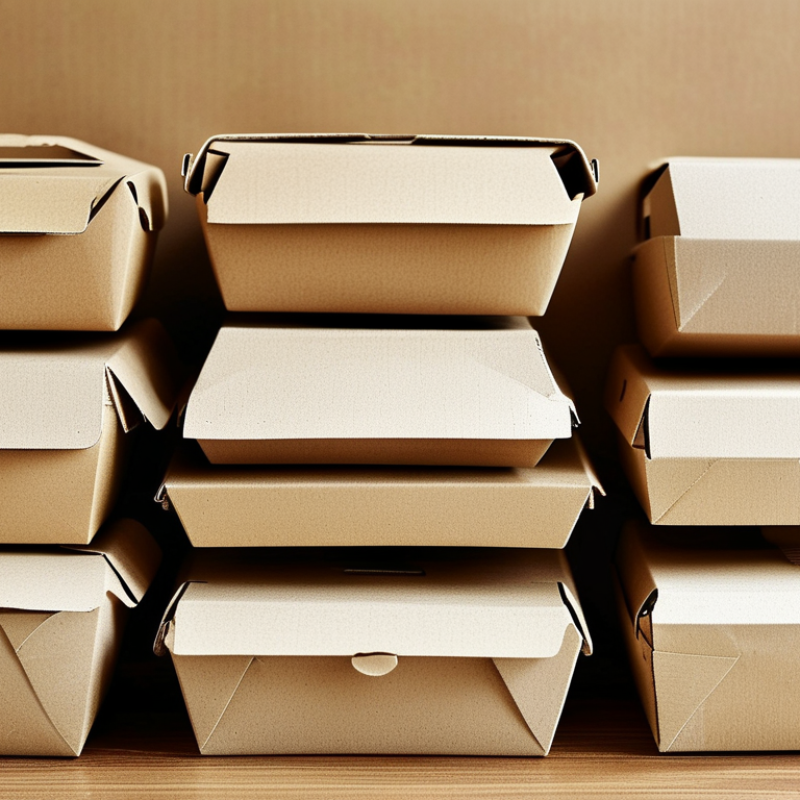
Food boxes can be classified by structure, material, and intended use. Common types include folding cartons, corrugated shipping boxes, rigid setup boxes, kraft paper boxes, molded fiber boxes, window boxes, grease-resistant boxes, insulated boxes, takeaway boxes, and subscription delivery boxes. Each type solves a different handling problem.
Selection should begin with the food itself. Moist dishes need leak resistance, while frozen products require stronger moisture protection. Hot meals may need ventilation to reduce condensation. Buyers should check food-contact safety, compression strength, closure security, and internal dimensions. A box that looks attractive may still collapse during stacking. That happens more often than expected.
Global logistics adds more decisions. Corrugated boxes suit long-distance shipping, but lightweight paper boxes can reduce freight costs. Insulated formats protect temperature-sensitive food, yet they may increase material use. Buyers should review recycling systems in the destination market, not trust vague environmental claims. Printing quality, minimum order quantity, storage space, and shipping tests also matter. In practice, a small pilot order is wiser than a large commitment. I have found that moisture tests are easy to overlook, especially when samples are tested only in dry rooms. That judgment deserves another check.
Top 10 Types of Food Boxes for Global Buyers
Food box classification and key selection criteria
The chart compares ten widely used food box formats on a practical 1–5 scale. Protection measures resistance to crushing and handling, moisture resistance reflects suitability for wet or oily foods, recyclability indicates the ease of recycling the primary material, and thermal suitability shows how well the format supports chilled, frozen, or temperature-sensitive products. Scores are comparative packaging assessments rather than market-share statistics.
Folding, Rigid, and Die-Cut Boxes for Retail Presentation
Top 10 Types of Food Boxes for Global Buyers
Folding, Rigid, and Die-Cut Boxes for Retail Presentation
Food packaging must protect products and communicate value within seconds. In packaging development, I assess structure, shelf space, product weight, and handling conditions together. The ten useful formats include folding cartons, tuck-end boxes, sleeve boxes, tray-and-sleeve boxes, drawer boxes, rigid setup boxes, die-cut window boxes, gable boxes, locking cartons, and corrugated food mailers. Each format creates a different retail experience.
Folding cartons suit lightweight snacks, bakery items, and dry foods. They ship flat, reduce storage volume, and support clear printed information. Rigid boxes feel stronger and more premium, especially for gift foods or carefully arranged assortments. However, they require more space and usually cost more to transport. Die-cut boxes add shaped edges, handles, inserts, or windows. A clear window can reveal texture and portion size, but it may weaken a panel if poorly designed. Small details matter.
I have seen attractive boxes fail because the opening was awkward or the base collapsed. That is worth remembering. A practical test should include stacking, opening, moisture exposure, and repeated handling. Food-contact materials, inks, coatings, and adhesives also need suitable documentation for the destination market. Glossy finishes can attract attention, yet they often show fingerprints under bright retail lighting. Sometimes, a simple matte folding carton performs better than an elaborate rigid box. The best choice balances presentation, protection, production limits, and real customer use.
Specialized Food Boxes for Frozen, Takeaway, and Produce Products
Top 10 Types of Food Boxes for Global Buyers
Specialized Food Boxes for Frozen, Takeaway, and Produce Products
Food boxes must match the product’s temperature, moisture, weight, and delivery route. Frozen food needs strong corrugated boxes with moisture-resistant coatings and stable insulation. Poorly sealed corners can soften during condensation and stacking. For takeaway meals, grease-resistant paperboard boxes protect texture and reduce leakage. Vent holes also release steam, although too many vents may cool food quickly. Produce boxes require airflow, crush resistance, and smooth inner surfaces. Ventilated crates, folding cartons, and produce trays are common choices.
The FAO reports that 13.2% of food is lost after harvest and before retail. The UNEP Food Waste Index Report 2024 estimates 1.05 billion tonnes of food were wasted in 2022. Packaging cannot solve every loss, but better box design can extend handling tolerance. In my sourcing experience, buyers often focus on unit price first. That can be a costly mistake. A cheaper box may need extra liners, tape, or replacement shipments. Testing compression, moisture exposure, freezing cycles, and ventilation is more reliable than judging appearance.
Tips: Ask suppliers for transit samples. Test filled boxes, not empty ones. Check recycled content, food-contact compliance, and local disposal rules. Confirm pallet dimensions before ordering. A beautiful box can still fail in a cold truck. Reconsider the design after real delivery data arrives.
Sustainable, Custom, and Export-Ready Food Packaging Options
Food boxes must protect flavor, shape, and trust across borders. Buyers commonly choose ten formats: corrugated cartons, folding cartons, kraft boxes, rigid boxes, window boxes, drawer boxes, clamshells, insulated boxes, food trays, and molded-fiber boxes. Each format suits a different product. Corrugated cartons handle bulk shipments. Folding and kraft boxes support retail presentation. Rigid and drawer boxes feel premium. Window boxes show contents clearly. Clamshells improve visibility. Insulated boxes help manage temperature-sensitive goods. Trays and molded fiber can reduce plastic use.
Sustainability starts with the full journey, not a green-looking surface. Choose right-sized dimensions to reduce empty space and shipping volume. Prefer recycled or responsibly sourced fibers when performance allows. Water-based coatings may support easier recycling, but local systems differ. A custom food box should match moisture, grease, stacking, and sealing needs. Ask for migration testing, compression results, and material specifications. Export-ready packaging also needs accurate labels, strong carton construction, and pallet stability. Small details matter at a humid port.
No package is perfect. A fiber box may weaken after oil exposure. A thinner box may save material but suffer in transit. Packaging evaluations often reveal attractive samples failing drop tests because corners lack support. That lesson is easy to miss. Buyers should test filled boxes under realistic temperature, humidity, and handling conditions. Then revise the structure before mass production. Reliable packaging is measurable, traceable, and practical for the destination market.