Top 10 Benefits of Cooling Towers for Industrial Use?
cooling towers play a crucial role in industrial environments. They help maintain optimal temperatures in various processes. Industries rely on cooling towers to ensure equipment operates efficiently. These structures reduce excess heat from machinery, preventing overheating. This, in turn, enhances productivity and extends the lifespan of equipment.
In addition to efficiency, cooling towers are cost-effective. They offer significant energy savings by recycling water. Using ambient air, they cool water before it re-enters systems. This process minimizes water waste and lowers operational costs. Some may overlook the environmental impact, but cooling towers aid in reducing overall resource consumption.
However, cooling towers have challenges. Maintenance is essential to ensure optimal function. Without regular checks, they can lead to downtime. Above all, understanding the benefits of cooling towers helps businesses make informed decisions. Exploring the top ten advantages reveals their importance in industrial applications.
Understanding Cooling Towers: An Overview of Their Functionality
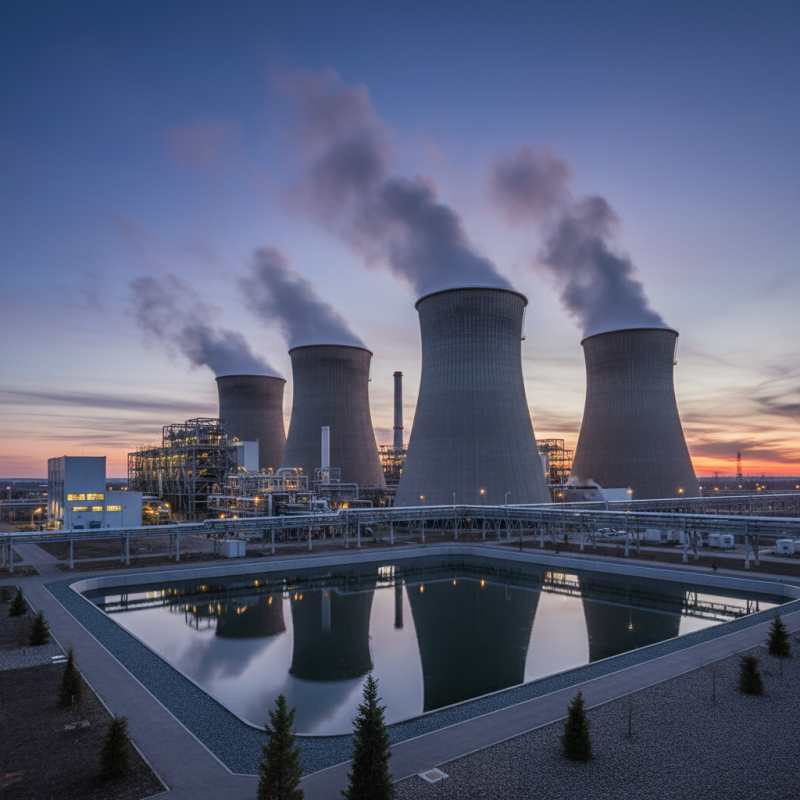
Cooling towers play a vital role in industrial cooling processes. Their primary function is to dissipate heat from equipment and processes. This is crucial for maintaining efficient operation. In industrial settings, excessive heat can lead to operational inefficiencies. According to a recent industry report, cooling towers can improve energy efficiency by up to 30%. This efficiency translates to significant cost savings.
Cooling towers work through the natural evaporation of water. As water circulates and absorbs heat, some evaporates, carrying heat away. The remaining water cools down and recirculates. This cycle is essential in various industries, such as power generation and manufacturing. However, not all cooling towers are created equal. Some systems struggle with scaling and biological growth. Regular maintenance is necessary but often overlooked. Failure to address these issues can lead to reduced efficiency and increased operational costs.
Environmental considerations are also becoming more prominent. Cooling towers can release water vapor into the atmosphere. While this is a natural process, it’s important to manage potential water losses. In some cases, plants may lose up to 10% of their cooling water through evaporation. Finding ways to reduce waste is critical. Implementing water recycling systems can help mitigate this loss, but it requires investment and commitment. Balancing operational efficiency with environmental responsibility is a challenge many industries face today.
Efficiency in Temperature Regulation: How Cooling Towers Improve Processes
Cooling towers play a crucial role in industrial settings by efficiently regulating temperatures. These systems remove heat from processes, enhancing overall efficiency. According to the U.S. Department of Energy, cooling towers can reduce energy consumption by up to 30%. This reduction translates into lower operational costs for industries, making them vital for economic sustainability.
Moreover, the use of cooling towers can improve the longevity of equipment. Fluctuating temperatures can cause wear and tear on machinery. By maintaining a stable temperature, cooling towers help reduce maintenance expenses. Some studies suggest that consistent temperature control can extend equipment lifespan by as much as 20%. However, not all cooling tower systems are optimized, leading some facilities to experience inefficiencies.
The environmental impact of cooling towers is also noteworthy. They can significantly cut down water usage compared to traditional cooling methods. This reduction is critical as industries face increasing regulations on water consumption. Nevertheless, inadequate maintenance can lead to issues such as water contamination. Regular checks are essential to ensure that cooling towers function as intended. Without proper oversight, these systems might not reach their full potential.
Top 10 Benefits of Cooling Towers for Industrial Use
Cost-Effectiveness: Economic Benefits of Utilizing Cooling Towers
Cooling towers play a crucial role in industrial processes. Their cost-effectiveness sets them apart. Studies indicate that cooling towers can reduce energy costs by up to 30%. This significant saving can bolster a company's bottom line. Moreover, maintenance costs are relatively low compared to other cooling options.
These systems also increase operational efficiency. For plants that utilize cooling towers, water usage can be reduced by nearly 50%. This reduction not only saves money but also conserves valuable water resources. Implementing a cooling tower might require an initial investment, but the long-term savings often outweigh upfront costs.
However, potential drawbacks exist. Careful management is necessary to prevent water losses from evaporation. Some companies may struggle with this aspect, leading to increased operational costs. Regular maintenance is essential; neglecting this can result in inefficiencies. Understanding these challenges can help companies make informed decisions.
Environmental Impact: Sustainability Through Cooling Tower Use
Cooling towers play a crucial role in enhancing sustainability within industrial operations. By utilizing water to dissipate heat, they minimize energy consumption. This process reduces reliance on fossil fuels and lowers greenhouse gas emissions. When designed and maintained correctly, cooling towers can be remarkably efficient. However, poor management often leads to water wastage and environmental harm.
The use of cooling towers also contributes to the conservation of local water sources. They recycle water used in manufacturing processes. This helps in minimizing waste. Yet, many facilities overlook the proper filtration and treatment of water, which can lead to contamination. Understanding this helps highlight the need for better practices.
Moreover, cooling towers can improve air quality by reducing the heat released into the atmosphere. As temperatures decrease, local climates can stabilize. This is beneficial for surrounding communities. Still, issues like noise pollution and aesthetics are often neglected. Without addressing these concerns, the positive impacts may be overshadowed by new challenges.
Improved Equipment Longevity: Reducing Wear and Tear with Cooling Towers
Cooling towers play a critical role in enhancing the longevity of industrial equipment. By efficiently dissipating heat, they help maintain optimal operating temperatures for machinery. This can significantly reduce wear and tear. According to a report by the American Society of Heating, Refrigerating and Air-Conditioning Engineers, properly maintained cooling systems can extend equipment life by up to 30%. This statistic highlights how crucial temperature regulation is in industrial processes.
The impact of cooling towers on equipment lifespan is profound. Without proper cooling, machinery often operates at higher temperatures, leading to accelerated degradation. Bearings, motors, and other components can fail prematurely due to heat stress. A study published in the Journal of Cleaner Production reveals that businesses can save around 10% on maintenance costs by using effective cooling strategies. This not only cuts expenses but also minimizes the environmental footprint.
Despite the benefits, some industries overlook cooling tower maintenance. Neglecting regular checks can negate the advantages gained. Buildup in the system can lead to inefficiencies, causing higher energy consumption. Companies might save money initially, but they risk greater costs in the long run. Understanding the balance between maintenance and cost is crucial. Striving for perfection in equipment longevity requires ongoing evaluation and a commitment to best practices in cooling systems.