Top Cups Containers Trends in 2026 What Buyers Need to Know?
In the evolving landscape of packaging, Cups Containers are making significant strides. As we approach 2026, trends in cups and containers continue to emerge, driven by sustainability and consumer preferences. Buyers must stay informed about what materials are trending and what design innovations are surfacing.
Cups Containers must align with eco-friendly practices. Consumers increasingly demand recyclable or compostable options. Brands are responding by investing in innovative materials. These choices not only meet consumer expectations but also enhance brand loyalty. However, not all sustainable options are perfect. Some materials may compromise durability or shelf life.
It's crucial for buyers to balance aesthetics with functionality. A well-designed cup may catch the eye, yet it must perform well in real-life situations. Understanding these nuances can help buyers make informed decisions. The right Cups Containers can elevate brand perception and meet modern consumer demands effectively.
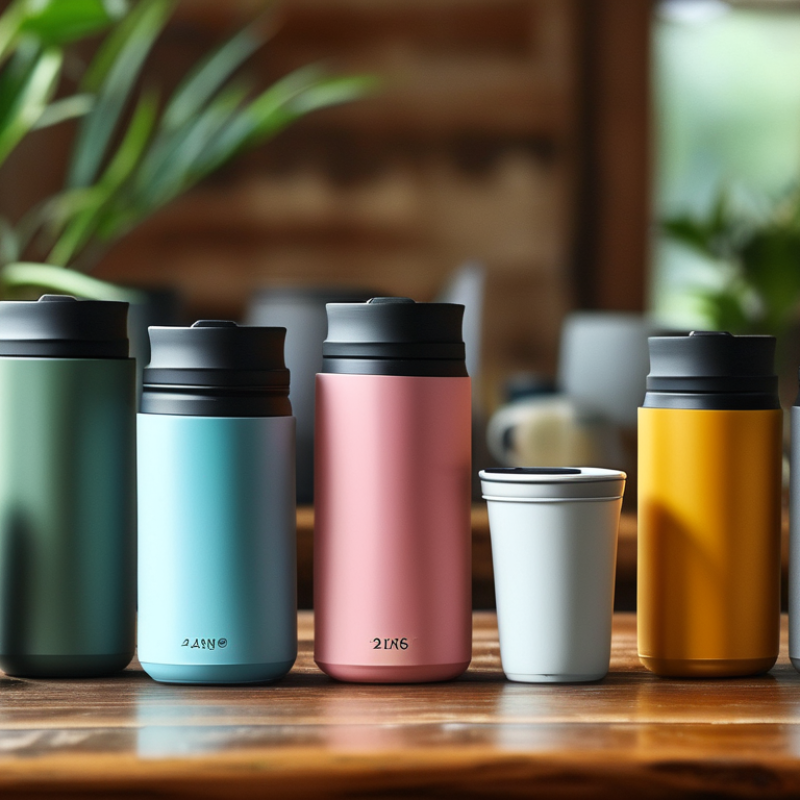
Top Eco-Friendly Materials in Cup and Container Manufacturing for 2026
As consumer preferences shift towards sustainability, understanding eco-friendly materials in cup and container manufacturing becomes crucial for buyers in 2026. Many companies are exploring biodegradable plastics derived from natural sources. These materials break down more easily than traditional plastics, reducing long-lasting waste. Many consumers appreciate packaging that aligns with their values.
Another trend is the use of recycled materials. Companies are finding innovative ways to incorporate post-consumer materials into their products. This practice not only contributes to waste reduction but also appeals to environmentally conscious buyers. However, ensuring these recycled materials meet quality standards can be a challenge.
Tips for buyers: Look for certifications that guarantee the sustainability of materials. Always ask manufacturers about their sourcing practices. It helps to know how materials are processed and whether they retain safety standards.
Some containers are now made from plant fibers like bamboo or sugarcane. These options are both renewable and compostable, making them appealing for short-term use. It's essential to consider that not all eco-friendly options perform equally. Take time to review the durability and usability of the products before making a choice. This analysis can lead to more informed purchasing decisions.
Technological Innovations Driving the Future of Cup and Container Design
Technological innovations are reshaping cup and container designs for 2026. Advances in materials are making containers lighter yet stronger. This shift enhances usability while promoting sustainability. New bioplastics and recycled materials are slowly gaining traction. These materials reduce the carbon footprint and minimize waste.
Smart technology is another key trend. Integrated sensors can track food freshness. This not only improves safety but also reduces food waste. Users will appreciate containers that inform them about their contents. Furthermore, designs are becoming more user-friendly. Ergonomic shapes and intuitive lids are essential for a seamless experience.
The industry must still address challenges. Many consumers remain hesitant about new materials. Education on benefits is crucial. Some innovations may be perceived as gimmicks. A balance between creativity and functionality is essential for acceptance. The journey toward appealing designs is ongoing.
Top Cups and Containers Trends in 2026
The following chart illustrates the projected growth of various trends in cup and container design by 2026, reflecting consumer preferences and technological innovations.
Market Data: Projected Growth Rates for Cups and Containers Through 2026
The market for cups and containers is set to experience remarkable growth through 2026. With sustainability in focus, biodegradable materials are expected to rise significantly in demand. Buyers should pay attention to increasing eco-conscious consumer preferences. This trend reflects a shift towards environmentally friendly packaging.
Projected growth rates indicate that reusable packaging options will also gain traction. More consumers are looking for durable, versatile containers to reduce waste. Research suggests a surge in sales for innovative designs that enhance usability. However, not all products will succeed. Companies must adapt quickly to ever-changing consumer expectations.
Additionally, the impact of global supply chains should not be overlooked. Fluctuations in material costs can affect pricing strategies and availability. Brands must be agile in their production processes. Failing to do so may put them at a disadvantage. Understanding these market dynamics carefully is vital for buyers to make informed decisions.
Consumer Preferences: Trends Influencing Cup and Container Purchases in 2026
Consumer preferences in 2026 are shaping the way buyers approach cup and container purchases. An industry report released by the Global Packaging Alliance reveals that 72% of consumers prioritize sustainability in their purchasing decisions. This trend indicates a rising demand for eco-friendly materials and designs, reflecting a growing awareness of environmental issues. Moreover, 65% of consumers are willing to pay more for biodegradable options. Packaging made from recycled materials is not just a nice-to-have; it's becoming a standard expectation.
Transparency is another influential factor. Buyers want to know where their products come from and how they're made. A recent study shows that 58% of consumers feel uneasy about unclear sourcing. Brands that provide clear information on their packaging processes will likely gain trust and loyalty. This trend also translates into the need for innovative designs that are not only functional but also visually appealing. Research indicates that products with attractive packaging can boost sales by 20%.
Tip: Focus on using recycled materials whenever possible. This not only aligns with consumer values but also positions your brand as a responsible leader.
Adapting to these preferences requires brands to remain responsive. Without continuous innovation, companies risk falling behind. A Harvard Business study identifies that businesses incorporating customer feedback into their product design see a 30% improvement in customer satisfaction. Engaging consumers in the design process can eliminate missteps.
Tip: Conduct regular surveys to gather insights. Understanding customer needs can guide effective product development.
Top Cups Containers Trends in 2026 What Buyers Need to Know?
| Trend | Description | Consumer Preference | Projected Growth (%) |
| Sustainable Materials | Increasing demand for biodegradable and recyclable options. | 70% prefer eco-friendly products. | 15% annually |
| Customizable Designs | Consumers seek bespoke options for personal use or branding. | 65% interested in personalized products. | 12% annually |
| Smart Technology Integration | Rise of smart cups with sensors and connectivity. | 55% excited about smart features. | 20% annually |
| Health-Conscious Options | Preference for BPA-free and chemical-free materials. | 75% choose health-centric products. | 10% annually |
| Portability and Convenience | Focus on lightweight and multifunctional designs. | 80% prefer versatile containers. | 18% annually |
Regulatory Changes Impacting Cup and Container Production Standards by 2026
As we approach 2026, buyers must pay close attention to regulatory changes affecting cup and container production standards. Governments worldwide are tightening policies to promote sustainability. Many countries are setting strict limits on plastic use, pushing manufacturers towards biodegradable options. This trend is crucial for any industry that relies on packaging.
One immediate impact is the shift in materials. Companies may need to adopt eco-friendly composites or recycled substances. Buyers should prepare for potential increases in costs. Investing in environmentally responsible products can enhance brand image. Customers are increasingly prioritizing sustainability when making purchase decisions.
**Tips:** Consider sourcing from local suppliers. This can reduce carbon footprints and support community businesses. Stay aware of the regulations in your area. Compliance will prevent future legal complications. Evaluate the lifecycle of products before purchase. This practice promotes accountability and transparency in the supply chain.
There’s a need for reflection on industry practices. Not all manufacturers are prepared for these shifts. Transparency in production will be essential. Buyers that align with responsible suppliers can better navigate this evolving landscape while contributing positively to environmental goals.