Top 10 Tips for Choosing the Best FIBC Jumbo Bag?
Choosing the right FIBC JUMBO Bag is crucial for effective transportation and storage. According to industry expert John Smith, "A well-chosen FIBC Jumbo Bag can significantly enhance your logistics." This highlights the importance of making informed decisions in the selection process.
When selecting an FIBC Jumbo Bag, factors like material, size, and weight capacity must be considered. Each application may require different specifications. For instance, bags used in food industries need to follow strict safety standards. Failure to adhere to these can lead to contamination. Therefore, attention to detail is essential.
Understanding your specific needs will guide you in selecting the most suitable FIBC Jumbo Bag. It's easy to overlook specifications in favor of convenience. However, this often leads to costly mistakes. Engaging with experts and suppliers can provide valuable insights. Ultimately, the right choice will enhance efficiency and safety in your operations.
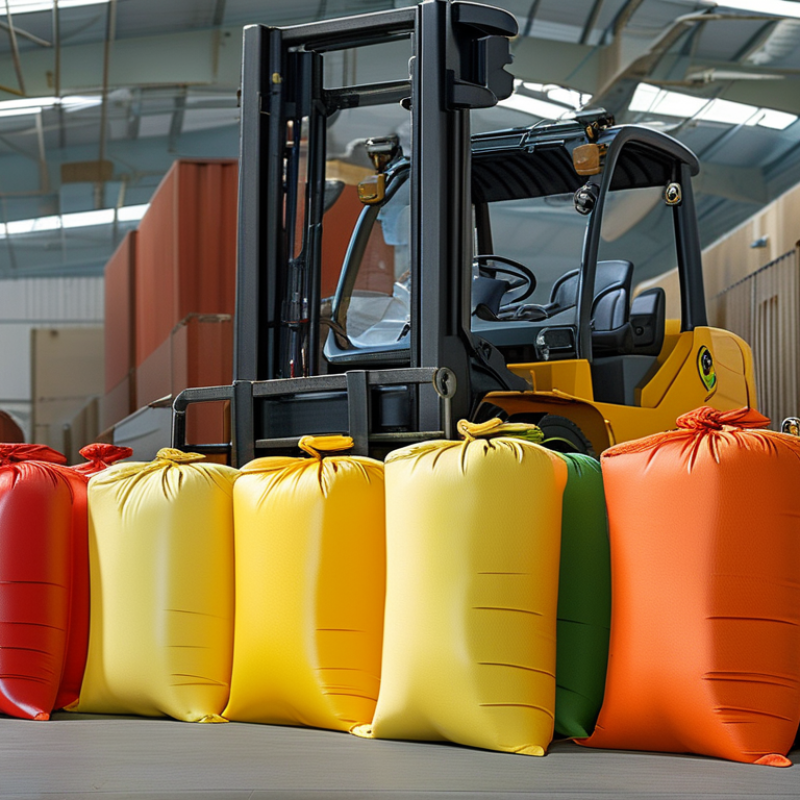
Understanding FIBC Jumbo Bag Specifications and Standards
Choosing the right FIBC jumbo bag requires understanding its specifications. These bags are made from woven fabric, typically polypropylene. The density of the fabric affects the bag’s strength and durability. A higher density often means a stronger bag. It's crucial to consider the type of products the bag will carry. For heavier loads, a bag with a higher weight capacity is essential.
Knowing the bag’s dimensions is vital. Standard sizes vary, but custom options are available. Ensure the size matches your storage and shipping needs. Safety regulations play a significant role, too. Bags must comply with specific industrial standards, such as ISO certifications. This ensures they meet quality and safety benchmarks.
Reflect on the environment where the bags will be used. Exposure to UV light can degrade some materials. Choosing UV-stabilized bags might be necessary for outdoor storage. Additionally, consider the recycling options for used bags. Sustainable practices are increasingly important in packaging decisions. Balancing strength, size, and environmental impact defines a good choice.
Top 10 Tips for Choosing the Best FIBC Jumbo Bag
| Specification | Details |
| Bag Size | Common sizes range from 500 kg to 2000 kg capacity. |
| Material | Typically made from woven polypropylene, offering durability and flexibility. |
| Safety Factor | Standard safety factor is 5:1 but can range higher for specific applications. |
| Types of Lifting | Options include four loops, one ton and two ton lifting configurations. |
| Closure Type | Open top, duffle top, and spout top closures available for various needs. |
| Bulk Density | Works well for materials with bulk density from 0.5 to 1.5 g/cm³. |
| UV Stabilization | Available options are UV-treated for outdoor storage durability. |
| Type of Content | Ideal for handling powders, granules, and other bulk goods. |
| Regulatory Compliance | Should comply with relevant standards such as ISO 21898. |
| Reusability | FIBC bags can often be reused depending on material type and usage. |
Evaluating Material Types and Their Impact on Durability and Cost
When choosing FIBC jumbo bags, the material plays a crucial role in both durability and cost. Common materials include woven polypropylene and high-density polyethylene. Polypropylene is often preferred. It offers strength and resistance to moisture. However, its cost can be higher compared to alternatives. Understanding the balance between cost and durability is key.
Not all materials are suitable for every application. Some substances may react with specific materials, compromising safety. This issue raises questions about the environment and sustainability. Selecting a responsible supplier can make a difference. Look for certifications that indicate quality and safety standards.
Moreover, environmental impact matters. Biodegradable options are emerging but can be costly. They may not perform as well in heavy-duty applications. Evaluate your specific needs carefully. This will help to avoid overspending on unnecessary features. Remember, a well-chosen bag can significantly enhance efficiency in storage and transportation. Consider all factors before making a decision.
Assessing Load Capacity and Weight Considerations for Your Products
When choosing the right FIBC jumbo bag, assessing load capacity and weight considerations is crucial. The bag must handle the weight of your products without compromise. Begin by clearly defining the maximum weight your products will reach. Most bags come with a label detailing their weight limits. Always adhere to these specifications.
Consider the type of materials in your products. Some materials are denser than others. This difference can affect how much weight the bag can handle. Choose bags designed for heavy or bulkier items if needed. Remember, a bag that seems sufficient may not hold up under pressure.
Another aspect to reflect on is the bag's structure. Is it a baffled bag or a tube? Each design has weight load implications. Baffled bags can provide better stability, especially for loose materials. This stability is essential during transport. Evaluate options carefully, and don’t hesitate to ask for professional advice. Balancing weight capacity with your specific needs can lead to better performance and reduced losses.
Identifying the Right Design Features for Optimal Functionality
Choosing the right design features for FIBC jumbo bags is crucial. Start by considering the bag shape. Different shapes fulfill various purposes. A square bag can optimize space during transport. Round bags may offer better filling capabilities. Both designs have their advantages, depending on your specific needs.
Next, examine the fabric type. High-density polyethylene (HDPE) is popular due to its durability. However, woven polypropylene is also a strong contender. Think about the conditions the bag will face. Will it be exposed to UV rays? Make sure to select a material that can withstand environmental stressors.
Finally, closures and lifting options are vital. Options like spouts or fill openings can enhance usability. Regular lifting loops may not suit all uses. Reflect on your requirements carefully. Are you often moving heavy loads? Ensuring the right features can prevent complications and enhance efficiency in your operations.
Considerations for Supplier Selection and Industry Compliance Standards
When choosing a supplier for FIBC jumbo bags, compliance is key. Look for manufacturers that adhere to industry standards. These standards ensure safety and durability. Ask about certifications. This shows their commitment to quality. It’s vital for preventing product failure in the supply chain.
A reliable supplier often provides comprehensive testing and documentation. Review their production processes. Understanding where and how bags are made can build trust. Confirm they follow ethical labor practices. Transparency in sourcing is essential in today’s market.
Tip: Evaluate the supplier’s experience in your specific industry. Their knowledge of material requirements can make a difference. Also, consider lead times. Delays can impact operations. Communication should be responsive. This reflects their commitment to customer service. Lastly, check reviews and references. Past performance indicates future reliability.