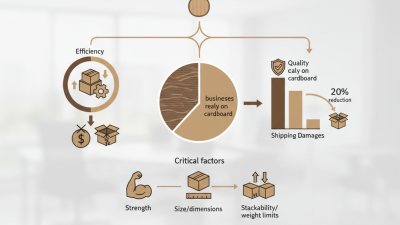
Global shipping exposes every weakness in a carton. Humidity softens fibers. Rough handling crushes corners. Long warehouse storage adds pressure. Choosing the right bulk cardboard boxes in 2026 therefore requires more than comparing prices or board thickness.
Packaging expert Lisa McTigue Pierce often describes packaging as “part of the product.” That view matters when cartons cross oceans, pass through automated hubs, and arrive at unfamiliar doorsteps. A reliable box should match product weight, dimensions, stacking demands, and transport distance. Corrugated flute selection also matters. Double-wall board can protect heavier goods, while single-wall cartons may reduce material use for lighter products. Neither option works everywhere.
Real-world testing remains essential. Measure compression strength. Check edge damage. Test cartons with realistic internal cushioning. Do not trust a perfect warehouse sample. A damp container can change the result. This guide examines the 2026 best bulk cardboard boxes for global shipping, including recycled-content options, export-ready designs, custom sizes, and supplier quality controls. It also considers pallet efficiency, sealing methods, storage conditions, and total shipping cost. The cheapest carton may create expensive returns. That lesson is easy to ignore.
Some recommendations will depend on your route and cargo. There is no universal winner. A small manufacturer may need flexible minimum orders, while a high-volume exporter may prioritize automated packing and consistent batch quality. We will compare both strengths and limitations, so buyers can choose with clearer evidence rather than attractive claims.

A reliable bulk cardboard box must survive stacking, vibration, handling, and changing humidity. Its strength starts with consistent corrugated construction and suitable flute selection. Heavy or dense products usually need strong edge-crush performance, not only thick-looking walls. Strong is not enough. The box must also match the product’s weight and dimensions.
Excess space allows movement during transport. Too little space can create pressure points and damage corners. I check the box after packing, then examine crushed edges, loose seams, and lid movement. Moisture deserves equal attention. Long sea routes can expose cartons to damp air, condensation, and warehouse temperature changes. A moisture-resistant outer surface may help, but it cannot replace proper storage and pallet protection.
Reliable bulk packaging should have clear specifications, including board grade, size tolerance, load limits, and compression-test results. Small trial shipments can reveal problems that samples often hide. I would record stacking height, route conditions, and damage patterns. That evidence supports better purchasing decisions. No box is perfect. A stronger carton may cost more, weigh more, or use extra material. That trade-off needs honest review. Even careful planning can miss an unusual loading condition, so performance records should be updated after each shipping cycle.
Box strength should match the product, not just its weight. A dense metal part can damage weak fluting during stacking. Lightweight clothing needs less compression strength, but moisture can still weaken the carton. For fragile glass, choose stronger double-wall construction with fitted cushioning. Check edge crush and burst ratings, then compare them with the product’s weight, dimensions, and stacking time.
Shipping routes also change the requirement. Sea freight may expose cartons to humidity, long storage, and repeated handling. Air freight usually needs lighter packaging, but fast transfers can cause sudden impacts. For mixed routes, use the harsher condition as your baseline. Keep heavy items low on pallets, align box corners, and avoid overfilling. A bulging carton is already a warning.
Tips: Test a sample carton before ordering in bulk. Place the packed box under realistic weight for several days. Shake one, drop one, and inspect the seams. If the box passes only in a dry warehouse, the design needs more thought. I have found that packing plans often look perfect on paper, yet fail when cartons are stacked unevenly. Leave little empty space, but do not compress delicate products. Review box strength after seasonal humidity changes.
Choosing cardboard boxes for international cargo starts with dimensions, not appearance. A box should fit the product closely, while leaving room for protective padding. Common footprints should match standard pallets, such as 600 x 800 mm or 800 x 1200 mm. Height matters too. Excess space increases movement, crushing, and transport costs.
Design must reflect the journey. Double-wall corrugated boxes suit heavy goods, stacked cartons, and long ocean routes. Single-wall boxes can serve lighter items with limited stacking pressure. Full-overlap flaps add strength around weak edges. Die-cut inserts hold fragile products in place without wasting much internal space. For humid routes, use moisture-resistant board and avoid storing cartons directly on damp floors. Small ventilation openings may help, but they can reduce protection.
Test the packed box before ordering in bulk. Drop it from handling height, stack it under weight, and inspect crushed corners. My own packing trials have shown that a strong box can still fail when the inner item shifts. That mistake is easy to miss. A slightly smaller carton may protect better than a thicker one. However, reducing size too far can damage edges during loading. Include clear handling marks, carton numbers, weight details, and export documents in a protected pouch. Requirements vary by destination, so confirm current carrier and customs instructions before shipment.
| Box Format | Suggested Outer Size (L × W × H) |
Approximate Volume | Recommended Board Construction | Indicative Strength Range | Typical Cargo Suitability | International Shipping Advantages | Design and Packing Notes |
|---|---|---|---|---|---|---|---|
|
Compact RSC Export Carton
Regular Slotted Carton
Small Parcel
|
300 × 200 × 150 mm 11.8 × 7.9 × 5.9 in |
9.0 L | Single-wall corrugated board, usually 3-ply, with kraft outer liners | 32–44 ECT or 200–275 kPa burst |
Books, small components, packaged food, cosmetics, hardware and compact retail products | Low dimensional weight, easy pallet layering and efficient use of void-fill materials | Use a full-overlap bottom or reinforced tape when the contents are dense. Keep the gross packed weight within the board supplier’s tested limit. |
|
Medium General-Cargo Carton
RSC
High-Volume Standard
|
400 × 300 × 250 mm 15.7 × 11.8 × 9.8 in |
30.0 L | Single-wall corrugated board, 3-ply, with moisture-resistant kraft liners for normal ocean or air freight exposure | 32–44 ECT or 200–275 kPa burst |
Apparel, household goods, packaged parts, footwear and mixed e-commerce orders | Balanced size-to-strength ratio and suitable for standardized pallet footprints | Place heavier articles at the bottom, fill empty space to limit movement and use edge protection for fragile products. |
|
Large Double-Wall Export Box
Double-Wall
Heavy Cargo
|
600 × 400 × 400 mm 23.6 × 15.7 × 15.7 in |
96.0 L | Double-wall corrugated board, commonly 5-ply, with stronger liners and two fluting layers | 48–51 ECT or approximately 275–350 kPa burst |
Machinery parts, tools, dense consumer goods, multiple inner cartons and moderately heavy cargo | Improved stacking resistance and greater protection against compression during warehouse and container handling | Recommended for heavier loads, but stacking strength depends on board moisture, pallet support, box orientation and storage duration. |
|
Long Flat-Pack Carton
Full-Overlap Flaps
Long Products
|
1000 × 300 × 150 mm 39.4 × 11.8 × 5.9 in |
45.0 L | Single-wall or double-wall corrugated board; full-overlap flaps recommended for long, narrow loads | 32–48 ECT or 200–325 kPa burst |
Panels, rails, lighting components, flat-pack furniture parts and long non-hazardous products | Reduces the need for oversized rectangular packaging and helps protect long edges from abrasion | Add internal corner blocks or paper cushioning. Avoid excessive empty length, which can increase bending and impact risk. |
|
Heavy-Duty Pallet Shipper
Double-Wall
Palletized Freight
|
1200 × 800 × 800 mm 47.2 × 31.5 × 31.5 in |
768.0 L | Heavy-duty double-wall corrugated board, 5-ply, with reinforced corners and a pallet-compatible footprint | 51–71 ECT or approximately 350–450 kPa burst |
Bulk components, industrial supplies, multiple inner cartons and consolidated ocean-freight cargo | Matches a common 1200 × 800 mm pallet footprint and supports unitized handling with stretch film or straps | Use a suitable pallet, bottom pad and load-distribution sheet. Do not rely on cardboard alone for very dense or liquid-filled loads. |
|
Moisture-Resistant Produce Carton
Ventilated Design
Cold-Chain Support
|
500 × 350 × 300 mm 19.7 × 13.8 × 11.8 in |
52.5 L | Wax-free moisture-resistant corrugated board or treated kraft liners, selected according to the cold-chain environment | 32–44 ECT with wet-strength performance verified separately |
Packaged produce, chilled goods with suitable secondary containment and products requiring air circulation | Vent holes can improve airflow and reduce condensation buildup when used with an appropriate refrigerated transport plan | Ventilation reduces compression area, so the box must be tested in its final configuration. Keep direct water exposure and prolonged saturation to a minimum. |
|
Die-Cut Protective Mailer
Self-Locking
Small Parcel
|
350 × 250 × 100 mm 13.8 × 9.8 × 3.9 in |
8.75 L | Single-wall E-flute or B-flute corrugated board with integrated locking tabs | Typically tested by edge-crush and compression requirements rather than a single universal rating | Documents, small electronics with cushioning, samples, accessories and low-to-medium-weight products | Fast assembly, fewer packing materials and a compact profile for parcel networks | Use tamper-evident tape or an external security label for higher-risk international shipments. Add cushioning for impact-sensitive products. |
Note: ECT means Edge Crush Test. Burst-strength and ECT values are indicative ranges for common corrugated-board grades, not guaranteed box performance. Final selection should be confirmed through compression, vibration, drop, humidity and transit testing using the actual product, closure method and shipping route.
2026 Best Bulk Cardboard Boxes for Global Shipping
How Sustainability and Compliance Shape Box Selection in 2026
Global shipping teams now assess cardboard boxes beyond price and load capacity. Recycled fiber can reduce raw material demand, but quality may vary between production batches. Moisture resistance also matters when containers face coastal humidity or sudden temperature changes.
A practical box review should record edge crush strength, burst resistance, dimensions, and empty weight. Right-sized cartons reduce void fill and improve pallet utilization. However, thinner walls can increase crushing during long transit. A lighter box is not always greener. Packing trials with real products often reveal weaknesses that laboratory figures miss.
Compliance adds another layer. Buyers should request material composition records, recycling guidance, and supplier declarations for destination markets. Clear markings can support sorting, while excessive coatings may complicate recycling. Some regions restrict certain packaging materials or require producer reporting, so requirements must be checked before shipment. Documentation should match the actual box, not an outdated specification. That sounds obvious, yet errors happen. Suppliers with traceable testing, consistent quality controls, and documented corrective actions offer stronger reliability. Even then, no carton performs perfectly in every climate or shipping route. A sensible selection balances verified strength, recoverability, local rules, and the practical damage risks of each shipment.
2026 Best Bulk Cardboard Boxes for Global Shipping
How to Compare Suppliers, Costs, and Quality for Bulk Orders
When comparing suppliers, evaluate the delivered cost, not only the quoted box price. Freight, pallet space, protective wrapping, and import charges can change the final figure. Request samples made with the same board grade and dimensions as your planned order. Check the edge crush test rating, burst strength, flute profile, and moisture resistance. A box that looks strong may still fail under stacked weight. Measure twice.
Supplier reliability needs evidence. Ask for production lead times, quality inspection records, and replacement procedures for damaged cartons. Confirm how many boxes fit on each pallet and inside your shipping container. Poor pallet planning can waste expensive cubic space. A clear specification sheet prevents disagreements about length, width, height, and tolerances. Keep written approval for every sample.
Cost comparisons are imperfect when order volumes differ. Request quotes for several quantities, such as 1,000, 5,000, and 10,000 units. This reveals where discounts genuinely begin. For humid routes, test cartons after exposure to controlled moisture, not only in a dry warehouse. I would also inspect random cartons during production, because one approved sample cannot represent an entire shipment. That extra check costs time, but rejected packaging costs more. Suppliers should explain material sources and recycling content without vague claims. Reliability is built through visible details, consistent records, and realistic promises.
Typical bulk-order comparison by corrugated grade, unit cost, compression strength, and production lead time.
Higher ECT ratings generally provide better stacking performance for international shipping, while increasing material cost. For most export orders, 44 ECT cartons offer a practical balance between protection, weight, and price. Confirm box dimensions, moisture resistance, pallet configuration, and testing requirements before placing a bulk order.