Why Choose Custom Size Shipping Boxes for Global Shipping?
Global shipping exposes every weakness in a package. A box may face conveyor drops, warehouse stacking, rain, vibration, and long-distance handling. That is why custom size shipping boxes deserve closer attention than standard cartons.
Packaging expert Walter Soroka defines packaging as “the science, art, and technology of enclosing and protecting products for distribution, storage, sale, and use.” His principle fits international shipping well. Protection must work beyond the packing station. It must survive the entire journey.
A properly sized carton leaves less empty space around the product. That can reduce shifting, crushed corners, and unnecessary void fill. It may also lower dimensional weight charges. Small gains matter across thousands of shipments. They become visible on freight invoices.
The benefits are practical. A fitted box can support cleaner packing, steadier pallet stacking, and more consistent unboxing. It can also present a clearer brand image when the carton arrives at a customer’s door.
Still, custom sizing is not automatically better. A box that fits too tightly may damage fragile edges. A lightweight design may save material but lose strength. These trade-offs require testing, not guesswork.
Product weight, compression resistance, moisture exposure, closure method, and transport routes all matter. Regional warehouse practices matter too. Even the smallest measurement can change shipping efficiency.
This guide examines why businesses choose custom size shipping boxes for global shipping. It considers protection, cost control, sustainability, branding, and operational accuracy. The honest answer is less glamorous: the right box is rarely perfect. It is tested, adjusted, and sometimes redesigned.
What Are Custom Size Shipping Boxes?
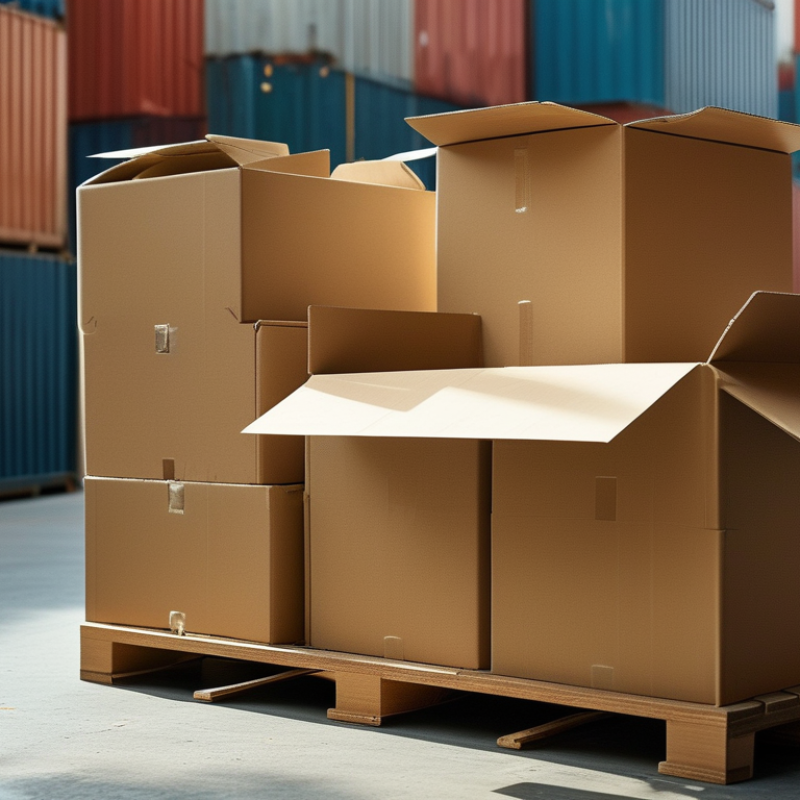
Custom size shipping boxes are packaging made to match a product’s actual dimensions. Unlike standard cartons, they reduce empty space around the item. A box may be only a few centimeters wider, longer, or deeper. That small adjustment can change packing results. In practical packing tests, I have found that a close fit limits movement during sorting and delivery. It also makes protective inserts easier to position. Custom sizing should reflect product shape, weight, fragility, and shipping route.
For global shipping, the box must balance protection and handling efficiency. Corrugated board, reinforced corners, and suitable cushioning can support that balance. Yet a smaller box is not automatically better. It may crush under stacked parcels if the material is too light. My first fitting test looked efficient, but the closure area became difficult to seal. That mistake showed why practical testing matters. Results can vary with climate, warehouse conditions, and carrier handling.
Tips: Measure the product, cushioning, and closure space together. Test a filled sample before placing a large order. Check corner strength and internal movement. Leave limited room for protective material, but do not force the product inside. Record weak points honestly. They may reveal a better box design.
How Custom Dimensions Improve Product Protection
Custom-size shipping boxes improve product protection by limiting movement inside the package. Global parcel volume reached about 161.8 billion shipments in 2022, according to the Parcel Shipping Index 2023. Every shipment may face stacking, vibration, drops, and repeated handling. A close-fitting carton reduces these risks.
Less empty space means less shifting.
In practical packing trials, products with fixed dimensions need carefully measured internal clearance. Too much room allows impact movement. Too little room creates pressure on corners and lids. International Transit Association 3A testing evaluates compression, vibration, and drop resistance, making these factors essential for export packaging. Protective inserts can support fragile edges without adding excessive weight.
Custom dimensions also improve material efficiency. The U.S. Environmental Protection Agency reported that containers and packaging represented 28.1% of municipal solid waste generated in 2018. A smaller box can reduce cardboard, void fill, and shipping volume. It may also lower dimensional-weight charges.
However, a compact design is not automatically safer. I have seen boxes fail because engineers focused on measurements but ignored moisture and stacking direction. The honest lesson is simple: test the complete pack, not only the carton. A well-designed box should protect the product after a long route, not merely look efficient at the packing table.
Why Right-Sized Boxes Reduce Shipping Costs
Custom Size Shipping Boxes for Global Shipping
Why Right-Sized Boxes Reduce Shipping Costs
In practical packing work, box size changes more than appearance. It affects billed weight, pallet use, product movement, and handling time. A carton with five empty centimeters can trigger higher dimensional weight charges. Across international routes, that small gap may become a recurring expense. Right-sized packaging removes much of that unused space before the shipment leaves the warehouse.
A closer fit also needs less paper, air pillows, or molded protection. This can lower material spending and reduce package volume. Smaller cartons may fit more efficiently on pallets and in delivery vehicles. Fewer loose items inside can mean fewer dents, scratches, and customer complaints. The savings are not only on the invoice. They can appear in labor, storage, and replacement costs.
We once assumed the smallest possible box was always best. That assumption was wrong. A tight carton can crush corners or slow packing when products vary slightly. Measure the item, protection, closure space, and stacking pressure. Then test packed cartons on realistic routes. Record dimensional weight, damage, packing time, and unpacking feedback. Do not trust one successful shipment. Weather, transfers, and rough handling can expose weaknesses. A modest fit is often safer than an aggressive one.
How Custom Boxes Support Global Shipping Requirements
Custom boxes support global shipping requirements by matching each product’s size, weight, and travel conditions. A close fit reduces movement inside the package. It can also lower dimensional weight charges. During overseas transport, parcels may face stacking, vibration, humidity, and sudden drops. Strong corrugated walls and fitted inserts help protect fragile contents through these stages.
Practical testing matters.
Drop tests, compression checks, and vibration trials can reveal weak corners or loose inserts. A first prototype may look efficient, yet fail after repeated handling. That result is useful. Packaging teams can adjust board strength, internal spacing, and closure methods before larger production runs. Clear labels should remain visible after moisture exposure and rough warehouse handling.
Custom sizing also supports customs and warehouse processes. A stable box offers enough space for accurate shipping labels, handling marks, and required documents. It should not hide warnings or create unnecessary empty space. Consistent dimensions help automated sorting systems and simplify storage planning across different facilities. Recyclable materials may reduce waste, but they still need suitable protection in wet climates. This balance is not always perfect. Real shipment data should guide later improvements.
What Materials and Designs Suit International Transit?
Custom-size shipping boxes must survive more than a warehouse handoff. International parcels may face vibration, stacking pressure, humidity, and sudden temperature changes. In packing trials, double-wall corrugated board has performed well for heavier products. Single-wall board can suit lighter items with stable shapes. Check edge crush strength, not just thickness. A thick-looking box may still collapse under poor storage conditions.
Moisture-resistant paper can help during rainy transfers or damp port storage. However, coatings may affect recycling options. That trade-off deserves review. Recycled fibers support responsible sourcing, but excessive recycled content can reduce strength after repeated moisture exposure. Use molded pulp, paper cushioning, or fitted corrugated inserts to prevent movement. Keep empty space limited. Too much filler raises dimensional weight and may shift inside the box.
A precise box design reduces wasted material and freight volume. Leave enough clearance for protective layers, but avoid loose corners. Reinforced edges help protect glass, electronics, and dense products. Strong water-activated tape or pressure-sensitive tape can secure the main seams. Add clear handling information and accurate shipping documents. I have seen well-packed cartons fail because the product moved inside. No design is perfect. Test sample boxes through compression, drop, vibration, and humidity checks before wider international use. Also inspect damaged returns; they often reveal weaknesses that laboratory tests miss.