Choosing custom mailer boxes in 2026 requires more than selecting an attractive color and logo. The box must protect products, control shipping costs, and represent your brand at the customer’s doorstep. A well-fitted mailer box reduces movement, crushed corners, and unnecessary filling materials. Small details matter.
Start with the product’s real dimensions, weight, fragility, and opening experience. Measure the item after adding protective wrapping, not before. Test several board grades, closure styles, and internal inserts with sample shipments. Drop testing can reveal weaknesses that look invisible on a computer screen. Corrugated options may provide dependable strength, while recycled fibers can support a more responsible packaging strategy. However, recycled content does not automatically mean superior performance. Moisture, compression, printing quality, and supplier consistency still require review.
Reliable selection also depends on evidence from experienced packaging partners. Ask for material specifications, production samples, ink information, and documented quality controls. Confirm whether the supplier can maintain color accuracy across repeat orders. Check box tolerances carefully. A few millimeters can affect assembly and fulfillment speed. Digital printing may suit smaller runs, while flexographic printing can become more efficient at larger volumes. The cheaper quotation may create higher costs through damage, delays, or excess inventory. That lesson is easy to overlook.
In 2026, strong packaging decisions will balance protection, presentation, sustainability, and measurable value. Compare samples under realistic warehouse and delivery conditions. Gather feedback from packing teams and customers. Packaging is never perfectly optimized. Review it regularly.
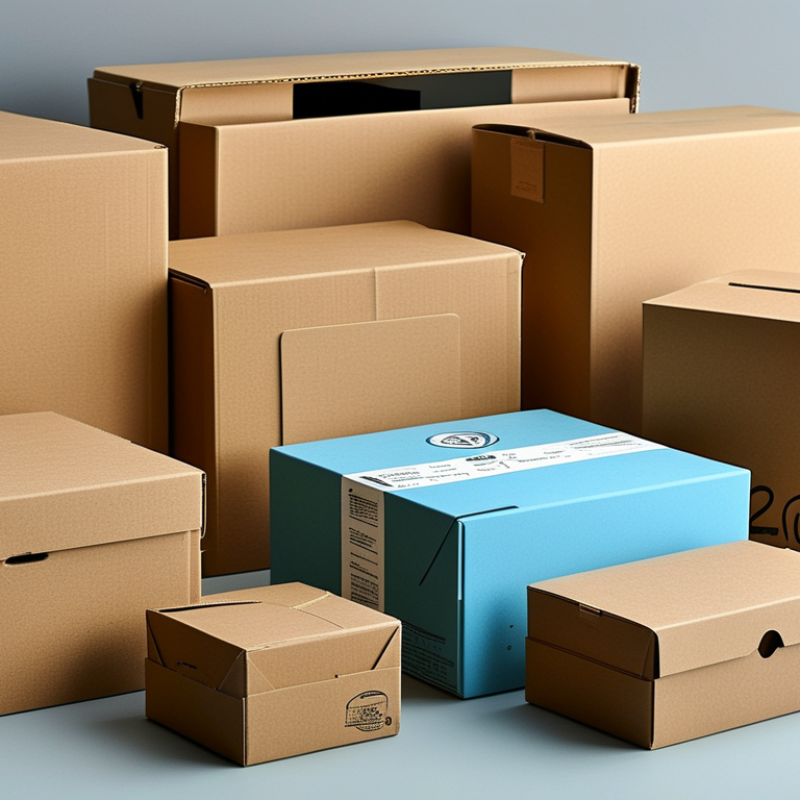
A reliable mailer box starts with the product, not the artwork. Measure the item’s length, width, and height, including protective inserts. Leave enough room for movement, but avoid excessive empty space. A ceramic cup needs stronger board and internal cushioning than a soft garment. Consider weight, surface texture, moisture exposure, and opening frequency. These details determine the box’s material, structure, and closure style.
Your brand should guide the unboxing experience without weakening its practical purpose. Choose colors that remain accurate under different lighting conditions. Select typography that stays readable on a small front panel. If the package includes instructions, returns information, or care details, reserve clear space for them. A beautiful box can still fail if customers cannot open it easily. Keep accessibility in mind.
Test the box with a real product. Our first sample looked polished, but the lid pressed against the contents. That mistake increased damage risk. It also made packing slower. Build several prototypes using different board thicknesses and insert layouts. Drop-test filled boxes from common handling heights, then inspect corners, seams, and printed surfaces. Ask packers to time the process. Their feedback may challenge your original design. Specify print tolerances, material sources, and quality checks in writing. Confirm recyclability claims with current supplier documentation, not assumptions.
A mailer box should match the product, not merely look attractive online. For clothing, books, and flat accessories, a standard roll-end mailer often works well. Its locking flaps reduce tape use and create a neat opening experience. Fragile products may need stronger side walls, internal inserts, or a double-layer structure. Keep the design practical.
Measure the packed product, including tissue paper, protective padding, and movement space. Then add only a small tolerance. Excess space increases material use and allows products to shift during delivery. A tight fit can also crush corners. Leave enough room for easy packing. Test several sizes with real products before approving production.
I once selected a box based on an empty sample. It looked perfect. After adding cushioning, the lid pressed against the product. That mistake changed my process. Now, I check internal dimensions, closure strength, stacking behavior, and opening comfort. A box may survive a desk test but fail after repeated handling. Drop tests and compression checks provide better evidence.
Choose a structure that suits shipping weight and product value. Lightweight paperboard can reduce costs, but it may crease under pressure. Corrugated mailers offer better protection for heavier items. Ask for material specifications, edge-crush data, printing details, and recyclable components. Confirm every measurement in writing. Small differences can create large packing problems.
How to Choose Custom Mailer Boxes in 2026?
Choosing a mailer box starts with the product, not the artwork. Corrugated fiberboard suits heavier items and rough delivery routes. Kraft board feels lighter and works for books, clothing, and small accessories. For fragile goods, choose stronger flute profiles and tested internal inserts. A beautiful box still fails if corners collapse.
The International Safe Transit Association recommends performance testing that reflects real shipping hazards. Drop, vibration, compression, and moisture tests reveal weaknesses before customers do. The U.S. EPA reports that paper and paperboard packaging generated 67.4 million tons of waste in 2018. Its recycling rate was about 53.9%. Material choice matters, but recovery depends on local facilities. McKinsey’s 2023 global packaging survey found that 60–70% of consumers may pay more for sustainable packaging. That preference is useful, though purchasing behavior can be less consistent. I have seen recyclable boxes rejected because tape, coatings, or mixed materials complicated sorting.
Tips: Specify recycled content, water-based inks, and fiber-based tape where practical. Ask suppliers for compression and drop-test results. Compare box weight, not only unit price. Reduce empty space, but do not remove protection blindly. A snug fit can still damage corners. Check local recycling rules before printing disposal claims. Sustainability needs evidence, not attractive wording.
| Mailer Box Option | Typical Construction | Protection Level | Recommended Use | Moisture Resistance | Printability | Sustainability Profile | Cost Position | Important Buying Notes |
|---|---|---|---|---|---|---|---|---|
| Recycled Kraft Corrugated Mailer | Single-wall corrugated fiberboard made primarily from recycled paper, commonly with a kraft-colored outer liner. | ★★★★☆ High | Books, apparel, cosmetics, accessories, subscription products, and other lightweight-to-medium items. | Medium; paper fibers lose strength when exposed to prolonged moisture. | Medium; kraft surfaces support a natural look but may produce less vivid colors than coated white liners. | Strong; widely recyclable where corrugated-paper recycling is available. Recycled content can reduce reliance on virgin fiber. | Low to medium | Check the percentage of post-consumer recycled content and whether inks, coatings, and adhesives are compatible with local recycling systems. |
| White-Top Corrugated Mailer | Corrugated board with a white outer liner designed for sharper graphics and cleaner color reproduction. | ★★★★☆ High | Retail-ready packaging, branded unboxing, electronics accessories, and products requiring detailed artwork. | Medium; similar fiber performance to standard corrugated board unless specially treated. | High; white liner improves contrast, color consistency, and barcode readability. | Good; recyclable when it does not include difficult-to-remove plastic films or heavy non-fiber coatings. | Medium | Ask whether the white liner is coated, bleached, or laminated, because these treatments can affect recyclability and appearance. |
| E-Flute Corrugated Mailer | Fine-flute single-wall corrugated board, generally thinner than B-flute and suited to compact packaging. | ★★★☆☆ Moderate to high | Small electronics, cosmetics, stationery, flat products, and items where a smooth printed surface matters. | Medium | High; the relatively fine profile provides a smoother surface and a more precise printed appearance. | Good; fiber-based and generally recyclable through corrugated-paper channels. | Medium | Uses less board volume than thicker flutes, but it may provide less cushioning for heavy or impact-sensitive products. |
| B-Flute Corrugated Mailer | Thicker single-wall corrugated board with greater flute height and cushioning than E-flute. | ★★★★☆ High | Heavier retail goods, framed products, multiple-item orders, and shipments needing additional compression resistance. | Medium | Medium to high; suitable for quality graphics, although the thicker profile may show more surface texture. | Good; recyclable fiber packaging with strong structural efficiency when correctly sized. | Medium | Choose a suitable board grade and box size; excess empty space can increase movement and may require additional protective material. |
| Double-Wall Corrugated Mailer | Two corrugated flute layers combined with three liners for increased stiffness and impact resistance. | ★★★★★ Very high | Fragile, dense, or high-value products; multi-item shipments; long-distance or higher-risk distribution. | Medium; stronger construction does not make paperboard waterproof. | Medium; thicker walls can reduce folding precision and require appropriate printing specifications. | Good; recyclable as corrugated fiberboard, but it uses more material and may increase shipping weight. | High | Use only when the protection benefit justifies the added material, dimensional weight, and shipping cost. |
| Molded-Pulp Insert with Corrugated Mailer | Corrugated outer box combined with a molded-fiber interior formed to hold the product in place. | ★★★★★ Very high | Glass, ceramics, bottles, small appliances, and products requiring fitted internal protection. | Medium; molded pulp can absorb moisture unless protected by a suitable fiber-compatible treatment. | Medium; the exterior prints well, while the insert is normally functional rather than decorative. | Very strong; can replace plastic foam and is commonly fiber-based and recyclable or compostable depending on local facilities and additives. | Medium to high | Request fit testing and drop testing. Confirm whether binders, coatings, or colorants affect recycling or composting claims. |
| FSC-Certified Fiber Mailer | Paperboard or corrugated packaging made with fiber sourced through a certified responsible-forestry chain. | ★★★☆☆ to ★★★★★ | Brands that need a documented fiber-sourcing claim without changing the basic box structure. | Medium; certification addresses sourcing, not water resistance. | High when paired with a suitable white liner or coated printing surface. | Strong sourcing profile; certification supports responsible forest-management claims, while recyclability still depends on the final package design. | Medium | Verify the supplier’s chain-of-custody documentation and use the correct certification statement for the finished product. |
| Plastic-Laminated or Water-Resistant Mailer | Paper-based board with a plastic film, synthetic coating, or specialized barrier treatment. | ★★★★☆ High | Products exposed to brief splashes, humid handling conditions, or environments where surface scuffing is a concern. | High; performance depends on the film, coating, seams, and closure design. | High; coatings can improve color saturation and surface durability. | Limited to variable; plastic laminates and mixed materials can make recycling more difficult unless accepted by local facilities. | Medium to high | Do not describe the package as recyclable or compostable without confirming the exact material combination and available local processing route. |
| Selection rule: Start with the lightest structure that passes product-specific drop, compression, vibration, and shipping tests. For most custom mailers, right-sizing the box and eliminating unnecessary plastic components can improve both protection efficiency and sustainability. | ||||||||
How to Choose Custom Mailer Boxes in 2026?
Choose the printing method around your artwork, order volume, and required color accuracy. Digital printing suits short runs and seasonal designs. It reduces setup time and supports quick design changes. Flexographic printing works better for larger quantities and simple color layouts. Offset printing delivers sharper images, but it usually needs higher volumes. According to Smithers’ e-commerce packaging forecasts, online retail packaging continues to expand, making efficient production increasingly important.
Finishes should protect the box without weakening its environmental message. Matte coating gives a soft, premium texture and hides small scuffs. Gloss coating makes colors stronger, but fingerprints may become visible. Spot varnish can highlight a logo, opening message, or product illustration. Use it carefully. Too many effects can make a small mailer look visually crowded. A 2023 Trivium Packaging report found that 82% of consumers were willing to pay more for sustainable packaging. That figure deserves attention, although real purchasing behavior can be less ideal.
Tips: Test one physical sample before ordering. Check dark areas, folding lines, and ink rubbing. Keep branding details practical. Use one main color, readable typography, and a short interior message. Recycled board can absorb ink differently, so color proofs may not match perfectly. This is easy to miss. Build a small tolerance into your approval process. A beautiful box is useful only when it arrives clean, closes securely, and still feels intentional.
Select the printing method, finishes, and branding details that match your order volume, artwork, and packaging goals.
This comparison shows the number of printing plates required for a four-color CMYK design. Digital printing uses no physical plates, while flexographic and offset printing generally require one plate for each ink color. For short runs or frequently changing artwork, digital printing can reduce setup work. For larger, repeat orders, flexographic or offset printing may offer better unit economics. Add finishes such as matte or gloss coating, spot UV, foil stamping, or embossing after confirming compatibility with the chosen printing process.
Supplier evaluation should begin with evidence, not attractive catalog images. Request factory audit records, material specifications, quality tolerances, and recent production photos. The 2024 Global Parcel Shipping Index recorded 161.1 billion parcels worldwide in 2023. That volume increases pressure on box consistency and delivery protection. Ask whether the supplier can maintain board strength during seasonal demand. A low quotation means little if crushed corners create replacements and refunds.
Compare total cost, not only unit price. Include tooling, artwork changes, freight, storage, and minimum order quantities. Request samples in three versions: white prototype, printed production sample, and packed shipping test.
Measure internal dimensions carefully. A three-millimeter error can affect product movement and postage. Use recognized transit testing, such as drop, vibration, and compression procedures described by the International Safe Transit Association. Test with the actual product, filler, and shipping label.
Production timelines need written milestones. Confirm artwork approval, sample revision, material purchasing, printing, die-cutting, assembly, and dispatch dates. Many suppliers quote seven days for production, excluding sampling and freight. That wording can mislead. Build a buffer of at least one week for approval changes. My own mistake was trusting a perfect sample too quickly. The first bulk batch showed uneven folding. Inspection before shipment would have caught it. A supplier should provide an inspection plan, defect limits, and replacement terms before payment. Prices change; documented controls matter more.