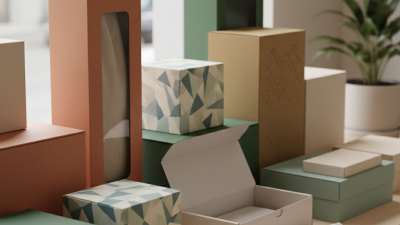
Top 5 Tips for Choosing the Best Product Boxes for Your Needs?
Selecting the right product boxes can significantly impact your brand's success. The right packaging reflects your brand's identity and ensures customer satisfaction. Customization options can enhance the appeal of your product boxes, making them stand out on the shelves.
When choosing product boxes, consider materials, sizes, and designs. Cardboard, kraft, and plastic are popular choices. Each material serves a unique purpose and affects the presentation of your product. Size matters too; a proper fit protects your items during shipping and storage.
Reflect on your brand message and target audience when selecting product boxes. What resonates with your customers? Sometimes, the choice may not perfectly align with your vision. It’s essential to assess feedback continually and adjust your packaging strategy. Every detail counts in creating a memorable unboxing experience.
Understanding Your Product Packaging Needs
Understanding your product packaging needs is essential for effective communication with your customers. Custom boxes should reflect the nature of your product. Consider the weight and dimensions. Heavy items require sturdier packaging, while lighter items can use thinner materials. This makes a tangible difference in cost and presentation.
Think about the visual impact of your packaging. Colors, shapes, and designs evoke emotions. A unique shape can create curiosity. But, be cautious about trends. They change quickly and can age your brand. Classic designs often hold up better over time.
Don't forget functionality. Easy-to-open packaging enhances the user experience. Consider how the product will be stored or displayed after purchase. Poorly designed boxes can lead to customer frustration. It’s crucial to test different designs. Gather feedback and make necessary adjustments. Finding the right balance might require multiple iterations.
Evaluating Different Types of Product Boxes
When it comes to selecting the right product box, understanding your options is crucial. There are various types of product boxes available, each designed for specific purposes. Rigid boxes provide a sturdy option, ideal for high-end products. Their structure offers excellent protection, ensuring items remain safe during transit. However, they can be more expensive compared to other types.
Foldable boxes are another choice worth considering. They are lightweight and easy to store, making them a practical option for businesses with limited space. While they may lack the robustness of rigid boxes, they can be customized in design and print, allowing brands to stand out. Every type comes with its pros and cons, which requires careful assessment. Regularly reflecting on your needs can lead to better decisions.
In contrast, custom mailer boxes can be a great way to enhance unboxing experiences. They offer a balance between protection and aesthetics. However, sometimes the focus may lean too heavily towards visual appeal, neglecting functionality. It’s essential to find a balance. Consider your product's requirements first, then explore the style and design that best communicate your brand message.
Factors to Consider for Box Durability and Protection
When choosing product boxes, durability and protection are crucial. A report by Smithers Pira highlights that packaging waste can account for up to 30% of material costs in the supply chain. Selecting the right box can minimize these costs while ensuring your products arrive safely.
Consider the materials used in box construction. Corrugated cardboard is a popular choice due to its strength and lightweight nature. According to industry standards, boxes made from double-walled corrugated material can hold up to 40% more weight than single-walled options. This can prevent damage during transit. Reinforced corners also add extra support.
Choose the right size. A box that is too large can allow movement, leading to product damage. A too-small box may crush items, resulting in loss and waste. Utilize protective fillers, such as biodegradable packing peanuts or air pillows, to fill voids and enhance stability.
Lastly, think about the box's environmental impact. A 2021 study revealed that more than 70% of consumers prefer eco-friendly packaging. Using recyclable materials not only meets customer expectations but also reduces your carbon footprint. Remember, investing in high-quality boxes pays off.
Customization Options for Branding and Aesthetics
When selecting product boxes, customization options play a pivotal role in enhancing branding and aesthetics. Custom boxes allow businesses to stand out. You can design boxes that reflect your brand's identity. Whether it's through unique sizes, colors, or finishes, thoughtful design choices grab attention on crowded shelves.
One effective tip is to consider the materials. Eco-friendly options are increasingly popular and appealing. They not only reduce environmental impact but also resonate with conscious consumers. High-quality materials can elevate your packaging, making it memorable. Textures and finishes, like matte or glossy, can evoke different emotions. A tactile experience can be as valuable as visual aesthetics.
Don't forget the artwork. Bold graphics can create immediate connections with customers. Subtle designs may also convey sophistication. However, it’s important to ensure that the design aligns with your overall marketing strategy. Brands sometimes overstep by using overly intricate designs that dilute their message. Striking a balance between creativity and clarity in branding is essential. Each decision contributes to an overall perception, so careful reflection is key.
Top 5 Tips for Choosing the Best Product Boxes for Your Needs
| Tip |
Description |
Customization Options |
Aesthetic Considerations |
| 1. Consider Material |
Choose the right material based on product weight and durability requirements. |
Options include cardboard, corrugated, plastic, and eco-friendly materials. |
Select finishes and colors that align with your brand identity. |
| 2. Size Matters |
Ensure boxes are appropriately sized for your products to prevent damage. |
Custom sizes can be made to fit specific product dimensions. |
Use unique shapes to create visual interest. |
| 3. Structural Integrity |
Ensure the packaging provides adequate protection during transit. |
Reinforced corners and double-walled boxes offer extra protection. |
Consider adding windows or cut-outs to enhance appeal. |
| 4. Branding Opportunity |
Utilize packaging for brand promotion through logo and design. |
Custom printing options for logos, taglines, and product information. |
Use colors and designs that are consistent with overall brand aesthetics. |
| 5. Eco-Friendly Choices |
Consider sustainable materials that are recyclable or biodegradable. |
Look for options that use recycled content in production. |
Natural colors and minimalistic designs often convey sustainability. |
Cost-Effective Strategies for Sourcing Product Boxes
Cost-effective strategies for sourcing product boxes can significantly impact your business's bottom line. According to a recent report by Packaging Strategies, nearly 50% of companies cite packaging costs as a critical factor in pricing decisions. Selecting the right product boxes may seem straightforward, but it requires careful consideration. One effective approach is to assess local suppliers. Sourcing boxes from local manufacturers can reduce shipping costs and lead times. Many businesses overlook this option, thinking it might be more expensive. However, closer suppliers often offer competitive pricing due to lower transportation expenses.
Utilizing eco-friendly materials is another cost-effective strategy. Research indicates that more than 60% of consumers prefer sustainable packaging options, which can justify a slight increase in costs. Investing in recyclable or biodegradable materials can enhance brand loyalty and potentially lead to higher sales. Conducting market research to identify customer preferences in packaging can guide your choices. This approach reflects a growing trend where businesses must align with consumer values while maintaining cost efficiency.
Additionally, bulk purchasing and negotiating long-term contracts can lead to significant savings. Studies reveal that organizations that engage in bulk sourcing can save from 10% to 30% on their packaging costs. It’s essential to weigh the benefits against the immediate budget constraints. Sometimes, committing to larger orders can create cash flow challenges. Therefore, businesses need to balance potential savings with their financial capabilities for optimal results.