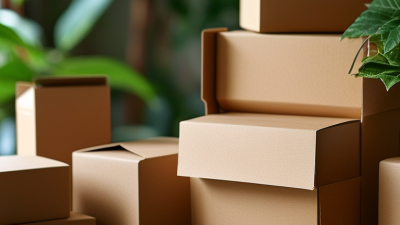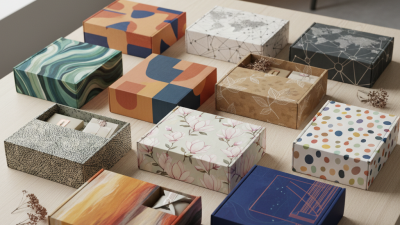
A shipping box is often the first physical touchpoint between an online business and its customer. Branded shipping boxes can make that moment recognizable, protect products in transit, and carry a consistent visual identity beyond the screen. The opportunity is significant: Pitney Bowes’ 2023 Parcel Shipping Index reported about 161 billion parcels worldwide in 2022, with further growth forecast. That is a lot of doorstep encounters. But a logo alone does not create a good experience. A crushed corner, excessive filler, or difficult opening can undermine the impression quickly.
Customer expectations also make packaging choices worth examining. PwC’s 2024 Voice of the Consumer Survey, covering 20,000 consumers across 31 countries and territories, found that 80% said they would pay more for sustainably produced or sourced goods. This reflects stated intentions, not guaranteed purchases. Still, it suggests that material choices and clear communication deserve attention. A right-sized recyclable box may support a brand promise; vague environmental claims may weaken trust. Small details count: a readable return address, secure sealing, and graphics that remain clear after handling. It is easy to overestimate how much packaging customers notice. Some will barely look. Others will remember the unboxing—or the waste. This guide explores where branded shipping boxes can add practical and commercial value, and where thoughtful restraint may serve a business better.
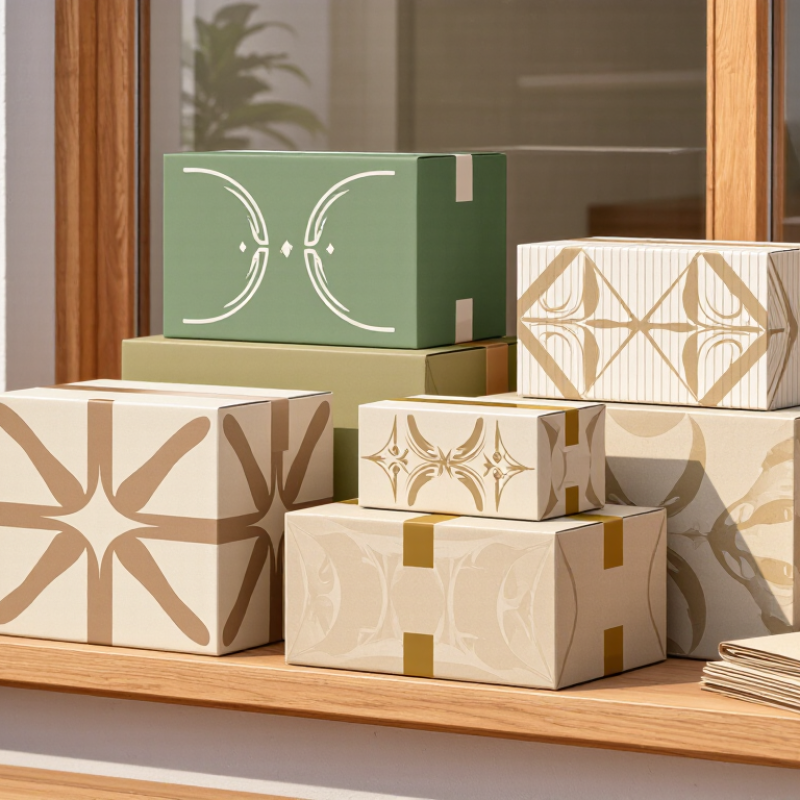
Branded shipping boxes are corrugated cartons printed with a business’s logo, colors, or other visual details. They still perform the basic job of holding and protecting an order during handling and delivery. The printed surface can also help customers recognize who sent the package when it arrives. Not magic. A clear design works best when it leaves room for shipping labels and does not compromise the box’s strength.
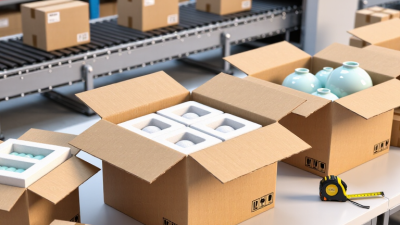
A business typically chooses a box size, material, and print layout, then orders a production run from a packaging supplier. Before ordering many boxes, check a sample for fit, print placement, and how easily it closes. Pack a typical order inside and test the cushioning. A design may look sharp on screen but feel crowded on a real carton; that detail is easy to miss. Good packaging balances appearance with practical protection.
Tips: Match box strength to the packed product’s weight and fragility. Keep key artwork away from seams and label areas. If orders vary in size, test more than one carton before committing. A simple, readable design is often more useful than covering every panel with graphics. Check the finished sample under ordinary warehouse lighting, too.
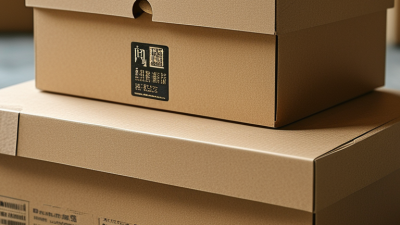
When a parcel reaches a doorstep, the box often speaks before the product does. A crisp logo, steady colors, and neatly sealed edges suggest that someone took care with the order. Small details matter. A box that arrives crushed or oversized can create doubt, even when the item inside is excellent.
Branded shipping boxes make that first moment more recognizable. They give customers a visual cue connecting the delivery to the business they chose. Clear printing and suitable dimensions can reduce confusion and help protect the contents during handling. The unboxing feels considered. Customers may notice the sound of paper filler, a tidy insert, or a message printed beneath the lid.
These choices work best when appearance follows function. Use readable colors, durable board, and a size that limits movement without wasting material. Test a sample after a real delivery route; ink can scuff, corners can soften, and a neat design may look less impressive under porch light. A polished box still cannot guarantee loyalty. Sometimes, a restrained design feels more trustworthy than one crowded with decoration.
| Customer Experience Dimension | Plain Shipping Box | Branded Shipping Box | Practical Business Consideration |
|---|---|---|---|
| Recognition at Delivery | A generic exterior may be harder to identify among other parcels. | Consistent colors, graphics, or a logo can help customers recognize the sender. | Keep the design easy to identify and ensure shipping labels remain clear and readable. |
| First Impression | The package mainly communicates that an order has arrived. | A considered design can make the delivery feel more personal and consistent with the business. | Match the packaging tone to the product, audience, and overall customer experience. |
| Brand Consistency | The exterior may not reflect the look used in the store, website, or other customer communications. | Repeating recognizable visual elements can create a more consistent experience across touchpoints. | Use a simple visual system that works across box sizes and print methods. |
| Unboxing Experience | The opening experience depends mostly on the product and internal packing materials. | Exterior and interior design can make opening the parcel feel more intentional. | Prioritize secure packing and easy opening; decoration should not interfere with protection. |
| Perceived Care | A plain box can still protect an order, but offers few visual cues about presentation. | Neat printing and a well-fitted box can signal attention to presentation and handling. | Avoid overpacking and keep the box clean, sturdy, and appropriately sized for the contents. |
| Gift and Shareability | Customers may need to add their own wrapping or presentation for gifting. | A polished package may be more suitable for gifting or sharing in photos, depending on the design. | Consider whether the exterior should be discreet for deliveries where privacy matters. |
| Operational Fit | Standard stock boxes can be convenient when packaging needs vary or volumes are uncertain. | Printed boxes can support a consistent presentation but may require planning for sizes, inventory, and print runs. | Compare total packaging cost, storage space, order volume, and replenishment needs before choosing. |
| Protection and Sustainability | Protection depends on box strength, fit, and packing materials—not whether the box is printed. | Branding does not replace appropriate materials or protective packaging. | Choose packaging suited to the product and shipping conditions; check local recycling guidance for materials and coatings. |
A shipping box often becomes the first physical contact a customer has with an online business. A clear logo, consistent colors, and readable lettering can make that moment easier to remember. The design does not need to be loud. Even a small mark near the opening flap can stand out when the box arrives on a doorstep or appears in a delivery photo.
Visibility grows through repetition. When customers see the same visual elements across several orders, they may recognize the business more quickly next time. A distinctive box can also be noticed by household members, coworkers, or neighbors. Keep the main design simple enough to read at a glance, especially when the package is stacked or viewed from a distance. Small details matter.
Good printing supports recognition, but the box itself needs to work well. Test colors on the actual packaging material, since ink can look different on brown or textured cardboard. Check that labels do not cover important design elements, and inspect a few packed orders under ordinary lighting. A damaged corner or faded print can weaken the impression. Branded packaging will not fix a poor product or late delivery, either. That is easy to forget when focusing on appearance. Use customer feedback and repeat-order patterns to judge whether the design feels memorable, not merely attractive.
A branded shipping box is often the first physical interaction a customer has with your business. A clean logo, coordinated colors, and a tidy interior can make an ordinary delivery feel considered. The experience begins when the parcel arrives, not only when the product is revealed. A well-fitted box also helps limit movement during transit, while tissue paper or a simple insert can keep smaller items neatly in place. Avoid adding layers just for appearance; customers may find excess packaging frustrating.
Tips: Match the box size to the product. Use a paper insert to prevent shifting, and place a short, helpful message where it is easy to see. Test the package by packing it yourself and checking whether it opens smoothly. Small details matter.
Custom packaging works best when it reflects the product and remains practical. A sturdy mailer with a clear opening may feel more thoughtful than a complicated design that takes several minutes to unpack. Consider how the box looks on a doorstep, how the contents are protected, and whether materials can be separated for disposal. Results vary by product and delivery conditions, so test packaging with real shipments before ordering in volume. A polished unboxing can support a positive impression, but it cannot make up for a damaged item or an unclear customer experience. Sometimes the simplest version works better.
How custom packaging can improve the unboxing experience
In a 2016 consumer survey about e-commerce packaging, 61% said premium packaging made them more excited to receive a delivery, 52% said it made them more likely to purchase again, and 40% said they would share an image of gift-like packaging on social media. These are reported consumer responses, not measured sales outcomes.
Source: 2016 e-commerce packaging consumer survey.
Branded shipping boxes can make an order feel considered before the customer opens it. The right choice depends on what you ship, how it travels, and how your team packs it. Start with the product’s dimensions and weight. A box that is too large may need extra filler, while a tight fit can leave little room for protection. Test a sample with the actual item inside. Give it a gentle shake and check the corners.
Material matters, too. Corrugated board offers structure for many everyday shipments, but its strength should match the contents and handling conditions. Consider whether the box will face damp weather, stacking, or long transit times. Then review print placement and contrast. Small text can disappear across a creased panel, and a design that looks clean on screen may feel crowded in print. I have seen simple layouts work better, though they can seem plain at first. Compare samples under ordinary warehouse lighting.
Tips: Order a small test batch before committing to a large run. Check that packing tape does not cover key details, and confirm the box closes securely with your usual packing method. Keep a few samples near the packing station; real feedback from staff can reveal awkward folds or wasted space.