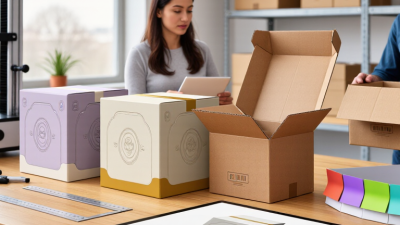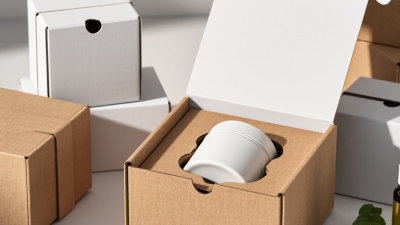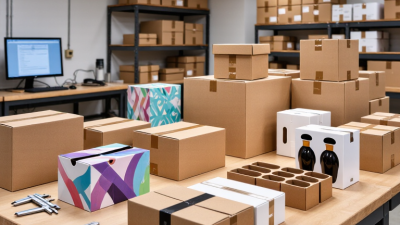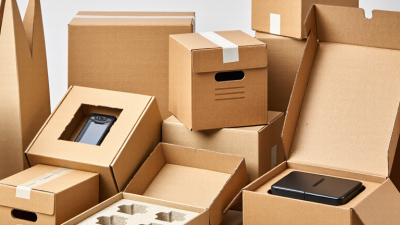
A box is often the first part of a product a customer can touch. Its weight, finish, and opening feel shape expectations before the product appears. For growing businesses, custom made boxes can turn that moment into a practical brand asset. They can fit an item more closely, reduce unnecessary filler, and give logos or product details a clear place. The right choice depends on the product, shipping route, budget, and customer experience you want to create. Details matter.
Industrial designer Dieter Rams captured a useful design principle: “Good design is as little design as possible.” Applied to packaging, that means choosing structure and graphics that serve a purpose, rather than adding decoration for its own sake. A snug insert may stop a glass jar from shifting. A readable label can help customers identify a product on a crowded shelf. Small choices, visible results.
Custom packaging is not automatically better. A complex box may cost more, take longer to assemble, or use more material than the product needs. Businesses should compare samples, test closures, and check how boxes perform during packing and delivery. A prototype on a desk can look perfect; a stack handled by a busy fulfillment team may reveal problems. That is worth remembering. This guide explores how custom made boxes can support brand identity, product protection, and a smoother customer experience, while helping businesses weigh design benefits against practical limits.
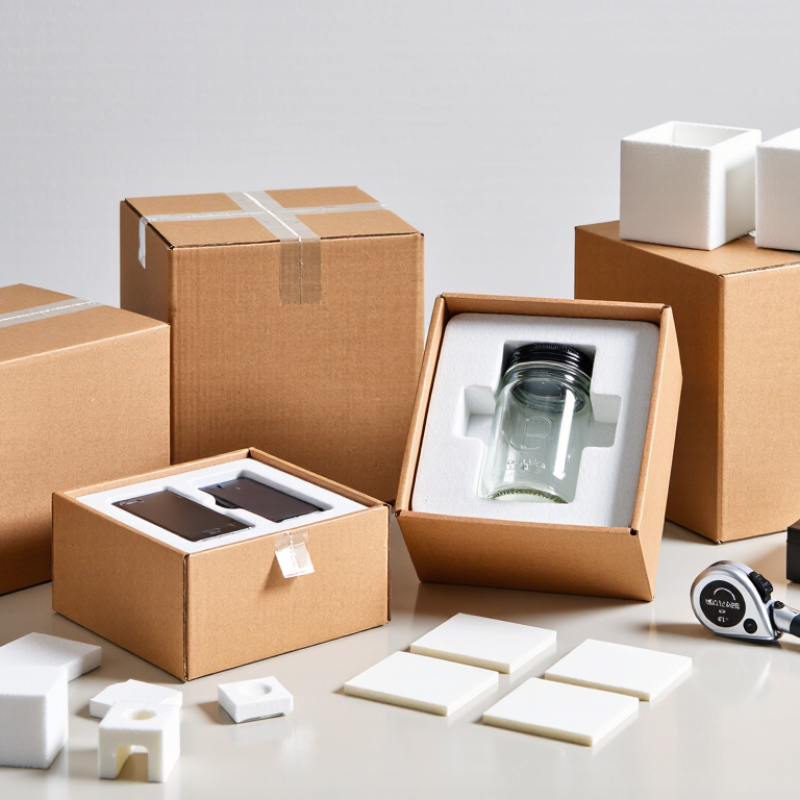
Custom-made boxes are packaging designed around a particular product, rather than chosen from standard, fixed sizes. Their dimensions, board strength, opening style, and internal supports can suit how an item is stored or shipped. A glass jar might need a snug divider; a folded shirt may fit better in a shallow carton. Small details matter.
The process often begins with product measurements and a discussion of handling needs. A packaging specialist can recommend materials and construction, but the right choice depends on weight, fragility, and shipping conditions. Measurements should include protruding parts and protective padding. A box that fits a product on paper may still be awkward to pack. Test a sample.
Custom options can also include printed instructions, color, or a finish that changes how the surface feels. These choices can help packaging look consistent and make opening easier. Still, more customization is not automatically better. Extra inserts or elaborate finishes may add cost without solving a real problem. A practical prototype, tested with the actual product, often reveals what needs changing before an order is produced.
Custom-made boxes begin with the product, not the artwork. A designer measures its length, width, and height, then checks its weight, fragility, and shipping route. A glass jar may need a snug insert; a lightweight shirt may need only a close-fitting mailer. These details guide the dieline, board grade, flute profile, and closure. Small changes matter. A box that is slightly too large can allow products to shift during transit.
Next, the team creates a prototype and tests how it folds, stacks, and protects the product. Compression and drop tests can expose weak corners or an awkward opening before a full production run. The U.S. Environmental Protection Agency reported that containers and packaging generated 82.2 million tons of municipal solid waste in 2018, with 53.9% recycled. That figure gives material efficiency real weight: right-sizing a box can reduce excess material, though protection must not be sacrificed.
Once the sample works, production typically moves through printing, die-cutting, folding, and gluing, followed by checks for dimensions, print alignment, and bond strength. The American Forest & Paper Association reported a 93.6% U.S. corrugated-box recycling rate for 2022. Recyclability still depends on local collection and box condition. The first prototype is rarely perfect; a loose insert or scuffed panel may only become obvious after handling. That is worth correcting before the final run.
Custom-made boxes can match a product’s dimensions, weight, and handling needs. A snug fit limits movement and may reduce the need for loose filler. A smaller carton can also improve pallet use and, depending on carrier rules, reduce dimensional shipping charges. The savings are not automatic. Measure real orders. A box that is too tight can slow packing or leave fragile corners exposed, so test it with actual products and packing materials.
Packaging also gives businesses a practical way to communicate quality at the moment of delivery. A clear logo, easy-open tab, and neatly placed product can make an order feel considered without adding elaborate inserts. McKinsey’s 2020 survey of 1,000 U.S. consumers found that 60–70% were willing to pay more for sustainable packaging. Right-sized boxes can support that goal by avoiding excess material, but custom printing and coatings may add waste or cost. Keep the design useful. Review damage rates, packing time, material use, and customer feedback after launch; a striking box is not a success if it arrives crushed or takes staff too long to assemble.
| Business Benefit | How Custom-Made Boxes Help | Useful Data Dimension | How to Measure |
|---|---|---|---|
| Better product fit | Box dimensions can be designed around the product and its protective inserts, rather than relying on a standard size. | Product dimensions; internal box dimensions; unused space | Measure the product and the box interior in millimetres or centimetres. Compare internal box volume with product volume, using the same units. |
| Potentially lower shipping volume | A closer fit may reduce package size. Carriers may calculate dimensional weight using package measurements, so rates depend on the carrier, service, route, and current pricing rules. | External length, width, and height; billed package weight | Calculate package volume as length × width × height. Check the carrier’s current dimensional-weight formula and compare billed weights for the same shipment profile. |
| Product protection | Box structure, board strength, and inserts can be selected to suit the product’s weight, fragility, and handling conditions. | Damage rate; product weight; packaging configuration | Damage rate = damaged shipments ÷ total shipments × 100. Compare results across packaging versions over equivalent shipping periods. |
| More consistent packing operations | A box designed for a product can make packing steps more repeatable and reduce the need for excess void fill. | Packing time; packing-material use; packing errors | Record average packing time per order, material used per package, and the number of packing errors during a defined period. |
| Clearer brand presentation | Custom sizing, colors, graphics, and printed instructions can create a consistent presentation from delivery through unboxing. | Print specifications; customer feedback; packaging-related reviews | Track customer feedback and packaging-related review themes. Compare results before and after a packaging change while noting other changes that may affect feedback. |
| Product and handling information | Printed space can be used for product details, handling directions, or disposal guidance where appropriate. | Required information; print area; label or artwork version | Check the final artwork against applicable product, shipping, and market requirements before production. Keep a record of approved artwork versions. |
| Material planning | Box specifications can be selected to match the required use, including board type, dimensions, and closure style. | Material type; board specification; box weight; recycled-content documentation | Review supplier specifications and documentation for the exact packaging material. Compare packaging weight and material requirements by box design. |
| Cost control | A custom design can be evaluated against the full packaging and fulfillment cost, rather than unit box price alone. | Box cost; protective materials; packing labor; shipping cost; damage-related cost | Total packaging-related cost per shipment = box cost + protective-material cost + packing labor cost + applicable shipping and damage-related costs. Use the same cost categories when comparing designs. |
Custom-made boxes serve e-commerce, food and beverage, cosmetics, electronics, and subscription businesses. Each faces different packaging demands. A skincare set may need snug inserts for glass jars, while a meal-kit carton needs room for insulation and cold packs. Fit matters here.
The U.S. Census Bureau’s 2024 annual e-commerce estimate reported $1.19 trillion in U.S. online retail sales, equal to 16.1% of total retail sales. For online sellers, box dimensions can help limit excess space, reduce product movement, and create a more deliberate unboxing experience. Electronics sellers may add tailored cushioning around fragile devices; apparel businesses may choose lighter cartons that are easier to store and ship. Food companies often need materials suited to moisture, temperature, and direct-contact requirements.
Cosmetics and premium gift businesses use custom printing and inserts to protect small items and present them neatly. But custom packaging is not automatically the better choice. A complex design can raise production costs, and overly large minimum orders may leave stock unused. Waste is expensive. Before ordering, businesses should test a filled box in transit and compare its dimensions, material, and order volume against their actual shipping needs.
Custom boxes can be tailored to product dimensions, protection needs, and brand presentation. They are commonly used in e-commerce, electronics, cosmetics, food and beverage, apparel, and healthcare. The chart gives a qualitative 1–5 comparison of typical need for tailored fit, protection, and presentation; it is not measured market-share or adoption data.
Choosing a custom-made box starts with the product, not the artwork. Measure its length, width, and height, then allow room for cushioning without leaving a large empty cavity. A glass jar may need a snug insert; folded clothing usually needs less protection. Also check the packed box’s weight and shipping limits. A beautiful box that arrives crushed has missed its purpose.
Match the board strength and opening style to the journey. For fragile goods, test a filled sample with realistic drops and vibration before ordering in volume. The International Safe Transit Association’s procedures offer useful frameworks for package testing. Material choice matters, too. The U.S. EPA’s 2018 Facts and Figures report says containers and packaging accounted for 82.2 million tons of U.S. municipal solid waste. That scale makes right-sizing worth considering. Less excess board can mean less material to handle, though strength should never be sacrificed.
Then compare cost, customer expectations, and disposal options. McKinsey’s 2020 U.S. consumer survey found that 60–70% of respondents said they would pay more for sustainable packaging. Treat that as a signal, not a guarantee about your own customers. Ask a small group to open a prototype. Watch where they struggle. A common mistake is choosing a finish before checking whether local recycling systems accept the materials. My own preference would be to test two practical designs, even if the simpler one looks less impressive.