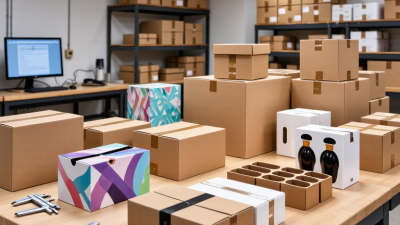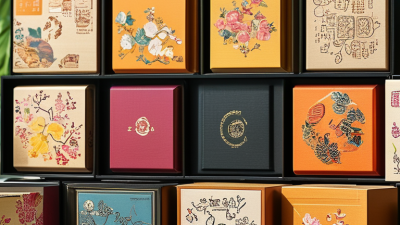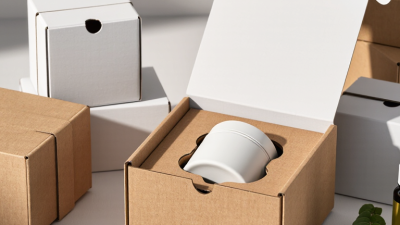
In crowded online marketplaces, packaging often becomes the first physical conversation between a brand and its customer. Custom product boxes can turn that moment into a recognizable brand experience, from the printed logo on the lid to the fitted insert protecting a glass bottle. They also create space for product instructions, batch details, and thoughtful messages. Small details matter.
Industry research supports this shift. Smithers’ packaging market analysis reports that the global packaging industry is moving toward stronger sustainability, premium presentation, and more efficient material use. The IBM Institute for Business Value’s 2020 consumer study found that nearly eight in ten respondents considered sustainability important. Among those consumers, 70% said they would pay an average premium of 35% for responsible brands. These findings do not guarantee sales. They do show why packaging decisions deserve commercial attention.
Well-designed custom product boxes can improve shelf visibility, support safer shipping, and make unboxing more memorable. Their value depends on practical execution. A beautiful box that wastes material, arrives damaged, or takes too long to assemble may weaken the customer experience. That assumption needs testing. Brands should compare box dimensions, material strength, printing quality, production costs, and recyclability before committing. They should also measure return rates, customer feedback, and repeat purchases after launch. The best packaging is not merely decorative. It connects brand identity with protection, usability, and responsible resource choices. In a competitive market, that balance can help a product feel considered before it is even opened.
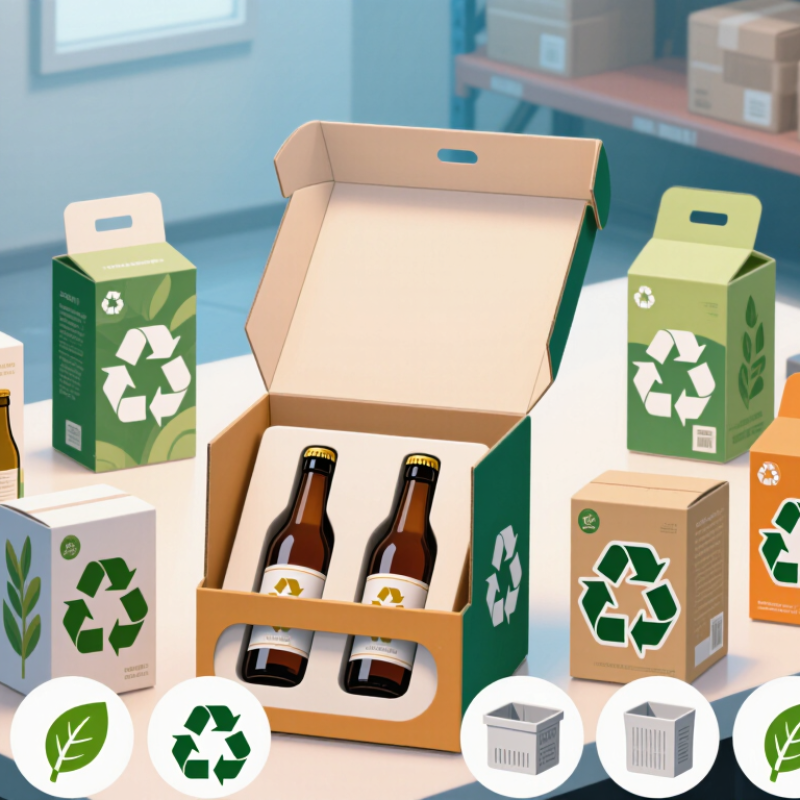
Custom product boxes are packaging structures designed around a specific product, rather than chosen from a standard shelf size. Their dimensions, board strength, opening style, and printed surface can match the item inside. A small box for glassware may use a snug insert and thicker board. A folding carton for skincare may need clean creases, accurate color, and space for required information. The box becomes part of the product experience, but it still has a practical job: protecting contents during storage, handling, and delivery.
In real packaging development, the work usually begins with measurements, product weight, and the route the box will travel. A prototype can reveal problems that a screen hides, such as a loose lid, crushed corner, or insert that scratches the surface. Material selection matters too. Recycled paperboard may suit a lightweight item, while heavier products need stronger construction. Printing, coatings, and closures should support handling, not merely create decoration. Small details count.
Custom boxes also help organize information. Product instructions, material details, warnings, and disposal guidance can sit where users can find them. Clear copy supports trust more than exaggerated claims. Still, customization is not automatically better. An overly complex structure can raise waste, cost, and packing time. I have seen attractive concepts become awkward on a packing line. That is worth questioning. A dependable box balances appearance, protection, production limits, and the customer’s first hands-on impression.
Custom product boxes do more than protect an item. They shape the customer’s first physical experience with your brand. A soft-touch surface may suggest care, while a precise logo placement can communicate confidence. Consistent colors, typography, and structural details help customers recognize your products across shelves, websites, and social media. The opening moment matters too. A fitted insert, clean fold, or small message can make the package feel considered rather than ordinary.
Strong packaging also supports professional brand management. Designers can create accurate dielines, test box strength, and select materials that match product weight and shipping conditions. Recyclable paperboard may support a responsible image, but vague environmental claims can damage trust. Use clear material information instead. A beautiful box can still fail if it is difficult to open, oversized, or wasteful. Not every bold idea works. Testing with real users may reveal awkward details before production.
Tips: Build a simple packaging system with repeatable colors, fonts, and finishes. Keep the logo visible, but do not let it dominate every panel. Add one useful detail, such as an easy-open tab or protective insert. Photograph sample boxes under natural light before approving colors. Check how the package looks after handling, not only when it leaves the factory. Ask customers what they remember. Their answers may challenge your assumptions.
Choosing the right material begins with your product’s weight, shape, and journey. Lightweight paperboard suits cosmetics, stationery, and small accessories. It folds cleanly and accepts detailed printing. For heavier items, corrugated cardboard offers stronger protection without excessive bulk. Rigid board creates a premium feel, but it increases storage space and shipping weight.
Kraft paper gives packaging a natural, tactile appearance. Recycled content can support a responsible message, although its surface may look less uniform. Molded pulp works well for bottles, electronics, and fragile objects. It cushions products with fitted compartments. Moisture remains a concern. In humid conditions, untreated paper materials can soften or warp.
Design should support handling, not only appearance. A snug insert prevents movement inside the box. A pull tab improves opening. Magnetic closures feel refined, but they may add cost and unnecessary components. Test the box with real products, rough handling, and repeated opening. A beautiful package can still fail at the corners. We sometimes overdesign the exterior and underdesign the interior. Less decoration may leave more room for protection, clear instructions, and recyclable construction. Surface coatings also deserve scrutiny, because glossy finishes can complicate recycling and show fingerprints quickly.
A custom product box shapes the customer’s first physical interaction with your product. Its size, texture, and opening method can make that moment feel thoughtful. A firm mailer protects the item during delivery. A smooth inner tray keeps it steady. Clear labels also reduce confusion after purchase.
Good packaging reflects practical experience, not decoration alone. Teams should test boxes with real products, shipping drops, and different opening habits. A box that looks attractive may still tear, waste space, or frustrate customers with weak tabs. Small details matter. Easy opening helps older customers and people with limited hand strength. Recyclable materials can also support clearer disposal choices, when local facilities accept them.
Custom packaging is not automatically better. That needs honest review. Oversized boxes may increase shipping costs and create unnecessary waste. Printed colors can differ from digital proofs, so physical samples deserve careful checking. Customer feedback can reveal problems that internal teams miss. A short survey, return note, or support message may show whether the box protected the product and felt worth keeping. Improvements should follow evidence, not assumptions.
Custom product boxes give businesses more than attractive packaging. They create a controlled customer experience from delivery to unboxing. A well-fitted box can reduce movement, scuffing, and product damage during transport. It may also lower material waste when its dimensions match the product closely. That matters.
Custom packaging can strengthen recognition before the customer sees the product. Consistent colors, printed instructions, and clear handling details make the package feel deliberate. In retail settings, a distinctive box can improve shelf visibility without changing the product itself. For online orders, it can encourage customers to photograph and share the unboxing experience. These outcomes depend on design quality, not decoration alone.
The business case still needs careful testing. Custom boxes usually cost more at the beginning, especially with small production runs or complex finishes. A rigid structure may look premium but increase shipping weight and storage demands. Practical trials should check compression strength, moisture exposure, stacking, and opening convenience. Supplier specifications and material certifications also deserve review. A beautiful box can still fail. We have seen packaging designs that impressed during approval but caused delays because assembly took too long. Revising the structure early can protect labor costs and delivery schedules. Even a modest box, if reliable and easy to recycle, may serve the business better than an expensive design.