Choosing the best custom mailer boxes in 2026 requires more than attractive printing. The right box must protect products, support efficient packing, and communicate trust before the customer opens it. Online shoppers notice crushed corners, loose inserts, and excessive material. They also notice thoughtful details.
Packaging Digest editor Lisa McTigue Pierce has often emphasized, “Packaging is a brand’s most tangible touchpoint.” That principle still matters. A mailer box is not merely a shipping container. It is the first physical conversation between a company and its buyer. This guide examines board strength, recyclable materials, structural design, closure styles, print quality, and supplier reliability. It also considers practical costs, including storage space, minimum order quantities, and freight damage.
The strongest custom mailer boxes balance appearance with performance. A rigid-feeling box may impress, but it can waste material if the product needs only lightweight protection. A beautiful unboxing experience may also fail when assembly takes too long. Small businesses should measure packing time, return rates, and customer feedback before choosing a premium format.
There is no universal winner. That is the uncomfortable part.
A perfect box on paper may be unsuitable for humid warehouses, irregular products, or limited budgets. We will compare current options with that limitation in mind. The goal is not to promote the most expensive package. It is to identify dependable custom mailer boxes that protect products, fit brand expectations, and remain practical throughout daily fulfillment.
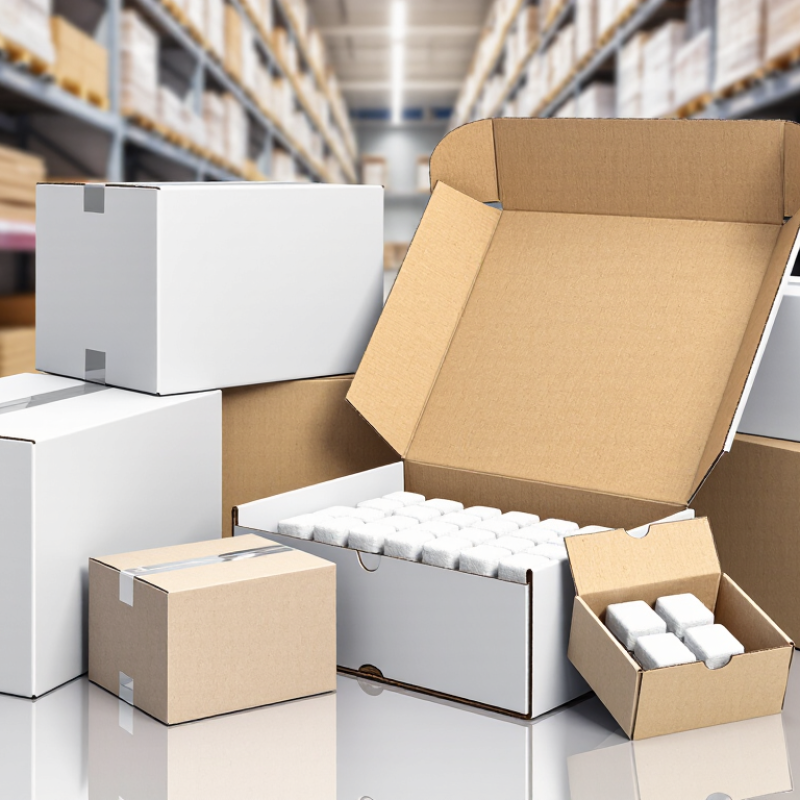
Custom mailer boxes are shipping cartons made to a product’s dimensions, shape, and visual identity. Unlike standard cartons, they fold securely without separate tape-heavy assembly. A snug fit limits movement around items such as candles, notebooks, or small electronics. That matters during sorting, loading, and doorstep delivery. Less empty space can also reduce filler and dimensional shipping weight, depending on carrier rules. The exact savings must be tested, not assumed.
In 2026, packaging carries more responsibility than appearance. Customers notice crushed corners, loose inserts, and difficult opening. A well-designed mailer can protect the product while creating a cleaner unboxing moment. Recyclable paperboard, water-based inks, and minimal coatings may support easier recycling. However, “eco-friendly” should not be treated as a blanket claim. Material sourcing, local recycling access, print coverage, and box durability all deserve verification.
A practical evaluation starts with a sample run. Pack the heaviest product, drop-test filled boxes, and inspect seams after compression. Ask whether the box opens without a knife and closes without extra tape. Small details matter.
Custom printing can improve recognition, but expensive finishes may add cost without improving protection. Packaging tests often reveal that beautiful prototypes fail when humidity softens the board. That lesson is easy to overlook. Choose board strength, dimensions, and inserts from measured shipping conditions, not only from a screen-based design.
In 2026, the best custom mailer boxes begin with material selection, not decoration. High-quality corrugated board protects products through drops, vibration, and stacking. Kraft board remains practical because its fluted core absorbs impact and adds stiffness. For heavier products, double-wall construction offers stronger edge protection, although it increases shipping weight. Recycled fibers support responsible sourcing, but inconsistent fiber quality can reduce crush resistance. This trade-off deserves testing.
Structure controls how a box performs in real handling. A roll-end tuck-top design closes neatly and resists accidental opening during normal transport. Dust flaps cover side gaps, while locking tabs reduce the need for extra tape. A reinforced base helps products stay level when a ceramic item or dense accessory shifts inside. Still, complicated folds may slow packing and frustrate warehouse workers. The most elaborate design may not be the most useful.
Tips: Test at least three samples before approving production. Measure board thickness, compression strength, and internal fit. Add a small clearance zone around fragile items, but avoid excessive space that encourages movement. Try packing the box with gloved hands, rushed hands, and one hand. Real workers expose design flaws quickly. A box can look excellent and still collapse at one weak corner. Recheck that corner.
The best custom mailer box depends on the product, not only its appearance. Compare internal size, board strength, cushioning, opening experience, and shipping efficiency. A box should hold the item firmly without crushing it. Fit matters. An oversized mailer wastes material and allows movement during delivery.
Fit matters. An oversized mailer wastes material and allows movement during delivery.
For apparel, use a shallow, lightweight mailer with clean folds and moisture-resistant coating. Cosmetics need tighter compartments because bottles can shift and leak. Small electronics require stronger corrugated board, protective inserts, and clearance around corners. In practical packaging trials, I have seen attractive boxes fail because their inserts were too loose. Product weight and fragility must guide the comparison. Do not choose the thickest board automatically.
Sustainability also needs evidence, not vague claims. McKinsey’s 2023 global packaging survey found that 60–70% of consumers would pay more for sustainable packaging.
PwC’s 2024 Voice of the Consumer Survey reported an average willingness to pay 9.7% more for sustainably produced goods.
These figures support recyclable materials and right-sized designs, but cost still matters. Smithers’ e-commerce packaging research identifies material reduction and shipping efficiency as continuing design priorities. Test samples through compression, vibration, and drop procedures aligned with ISTA methods. My own weak assumption was that a heavier box always offered better protection. It did not. Sometimes, a precise fit and a simple insert performed better.
Custom mailer boxes in 2026 should treat printing, branding, and sustainability as one design system. A clear logo, restrained colors, and a tactile unboxing detail can build recognition without covering every panel. Digital printing supports short runs and variable artwork, while flexographic printing can reduce unit costs for larger volumes. The best choice depends on order size, color accuracy, and revision frequency. Small details matter.
The 2023 Global Buying Green Report found that 82% of consumers were willing to pay more for sustainable packaging. McKinsey research also reported that 60% to 70% of consumers may accept higher prices for sustainable formats. These figures support recyclable paperboard, water-based inks, and plastic-free inserts. However, sustainability claims need evidence. Use clear material descriptions, recycled-content percentages, and recognized certification where applicable. “Eco-friendly” alone sounds weak.
In practical testing, a mailer should survive compression, moisture exposure, and repeated handling. A rough kraft finish may suggest authenticity, but it can weaken premium presentation. A glossy coating can improve color depth, yet it may complicate recycling. That trade-off deserves honest review. Packaging teams should request printed samples, test opening strength, and compare shipping damage before approving production. According to the World Packaging Organisation, better design should consider the entire packaging life cycle, not only its appearance. There is no perfect box.
Choosing the best custom mailer box supplier starts with the product, not the catalog. Ask for a physical sample matching your product’s weight, shape, and finish. A box may look strong online yet crush at the corners during delivery. Measure the inner dimensions, folding accuracy, lid fit, and print alignment. Small errors become expensive when thousands of boxes are produced.
Request material details, including board grade, flute structure, recycled content, and protective coatings. A reliable supplier should explain testing methods and provide recent quality records. Ask how they control color variation between production batches. Confirm minimum order quantities, tooling charges, lead times, and shipping terms in writing. Clear answers show operational maturity. Vague promises do not.
Evaluate communication before signing. Send a detailed file and notice whether the supplier checks bleed, locking tabs, and barcode readability. Ask for a pre-production proof and a small trial run. Track damaged samples after compression, vibration, and moisture exposure. These tests resemble real warehouse conditions, though they cannot predict every journey. Price still matters, but the cheapest quote may hide weak board or inconsistent inspection. No supplier is perfect. Reorder consistency deserves attention too; one shipment may look excellent, while the next needs tighter color control.
| Evaluation Dimension | Recommended Standard | Typical Market Data | Supplier Selection Guidance |
|---|---|---|---|
| Box Style | Self-locking mailer box with dust flaps and a secure tuck closure. | Common styles include roll-end tuck-front, roll-end tuck-top, and full-overlap mailer boxes. | Select a structure that closes securely without excessive tape and protects the product during parcel handling. |
| Primary Material | Corrugated fiberboard made with recycled content and a paper-based outer liner. | E-commerce mailer boxes commonly use kraft or white corrugated board. Recycled content varies by paper mill and grade. | Request the exact fiber composition, paper grade, and recycled-content percentage rather than relying only on the word “eco-friendly.” |
| Flute Profile | E-flute B-flute E/B double-wall | E-flute is generally thinner and offers a smoother print surface. B-flute provides greater cushioning and stacking strength. Double-wall board offers higher protection for heavier products. | Choose the lightest flute that meets compression and impact requirements to control shipping weight and material use. |
| Typical Board Thickness | Use board thickness according to product weight, dimensions, and shipping conditions. | E-flute is commonly about 1.0–1.8 mm thick; B-flute is commonly about 2.5–3.5 mm thick. Actual values vary by paper grade and manufacturer. | Ask for a physical sample and board specification sheet because thickness alone does not determine box strength. |
| Load Capacity | Match the box to the packed product weight and the amount of internal protection. | Lightweight mailers often suit products below approximately 2 kg. Heavier or fragile products may require stronger board, inserts, or double-wall construction. | Require compression, drop, or transit testing for products that are fragile, dense, liquid-filled, or shipped internationally. |
| Custom Dimensions | Design the internal dimensions around the product rather than using excessive empty space. | Most suppliers can produce custom length, width, and height within their tooling and production limits. | Provide product dimensions, protective-material thickness, and desired fit tolerance before requesting a quotation. |
| Print Method | Choose flexographic printing for simple graphics or offset-laminated printing for detailed artwork. | Flexographic printing is efficient for one- or two-color designs. Offset printing generally provides more detailed images and broader color control. | Confirm the printable area, color specifications, proofing process, and whether setup or plate fees apply. |
| Color Reproduction | Use approved artwork files and a physical proof for important brand colors. | Printed color can change with paper shade, ink coverage, surface finish, and production batch. | Request a printed proof or production sample and define acceptable color variation in writing. |
| Surface Finish | Use uncoated kraft for a natural appearance or a water-based coating for added surface protection. | Common options include uncoated, aqueous-coated, matte, gloss, spot-varnished, and laminated surfaces. | Prefer finishes that do not compromise recyclability when sustainability is a primary purchasing requirement. |
| Closure and Tamper Evidence | Use locking tabs, tear strips, or adhesive strips when opening security is important. | Mailer boxes may be supplied with tuck closures, peel-and-seal strips, tear strips, or separate adhesive tape. | Select the closure based on return handling, customer experience, and the risk of accidental opening in transit. |
| Internal Protection | Use paper inserts, molded fiber, corrugated dividers, or fitted cardboard supports. | Inserts reduce product movement and can replace some plastic cushioning in many applications. | Ask the supplier to test the complete packaging system, including the box, insert, product, and any void fill. |
| Minimum Order Quantity | Choose a production quantity that balances unit cost with storage and inventory risk. | Small digital-print orders may be available from dozens or hundreds of units. Conventional printed production commonly requires several hundred or more units. | Compare the total landed cost at several quantity levels instead of comparing unit price alone. |
| Sampling and Prototyping | Approve an unprinted structural sample and, when needed, a printed production sample. | Structural samples can usually be produced before mass manufacturing. Printed samples may require additional time and setup. | Do not approve mass production until dimensions, folding, artwork, color, and closure performance have been checked. |
| Typical Production Lead Time | Plan production separately from sampling, freight, and customs clearance. | Standard production commonly takes about 10–25 business days after artwork approval, while sampling and peak-season schedules can add time. | Obtain a written schedule with milestones for proof approval, production completion, dispatch, and delivery. |
| Shipping and Storage Efficiency | Use flat-packed boxes that can be assembled close to the packing station. | Flat-packed corrugated mailers generally require less warehouse space than pre-assembled rigid packaging. | Compare carton quantity per pallet, packed dimensions, dimensional-weight impact, and storage conditions. |
| Sustainability Claims | Prioritize recyclable fiber packaging, responsible sourcing, lightweight design, and verifiable claims. | Corrugated fiberboard is widely recyclable where local collection and recycling infrastructure exists. Coatings, mixed materials, and contamination can affect recyclability. | Request supporting documentation for recycled content, responsible forestry, compostability, or recycled claims. |
| Compliance Documentation | Maintain material specifications, test reports, and claim-related documentation. | Depending on the market and product, documentation may include fiber-content records, migration information, ink details, or packaging-recycling statements. | Confirm which documents are available before placing the order, especially for food-contact or regulated-product packaging. |
| Quality-Control Process | Use documented inspections for dimensions, board quality, print, assembly, and quantity. | Common quality checks include caliper measurement, visual inspection, print registration, crease accuracy, barcode readability, and carton count. | Agree on inspection standards, defect classifications, sampling levels, and corrective-action procedures in the purchase terms. |
| Supplier Communication | Work with a supplier that provides clear specifications, responsive sampling, and consistent technical support. | Reliable project communication normally includes dielines, quotations, material specifications, proof approvals, and production updates. | Evaluate response time, technical accuracy, transparency about limitations, and the supplier’s ability to repeat an approved specification. |
| Best Overall Selection Rule | Choose the lowest-impact box that protects the product and delivers the required customer experience. | The best option depends on product weight, fragility, dimensions, shipping route, print requirements, order volume, and sustainability goals. | Score suppliers using quality, total cost, lead time, testing, sustainability evidence, service, and risk—not price alone. |