China Best Custom Printed Mailer Boxes Supplier?

Choosing the best China supplier for custom printed mailer boxes requires more than comparing online prices. Packaging quality depends on materials, structural design, printing control, and dependable communication. A strong supplier should understand your product size, shipping conditions, brand colors, and customer expectations before recommending a box style.

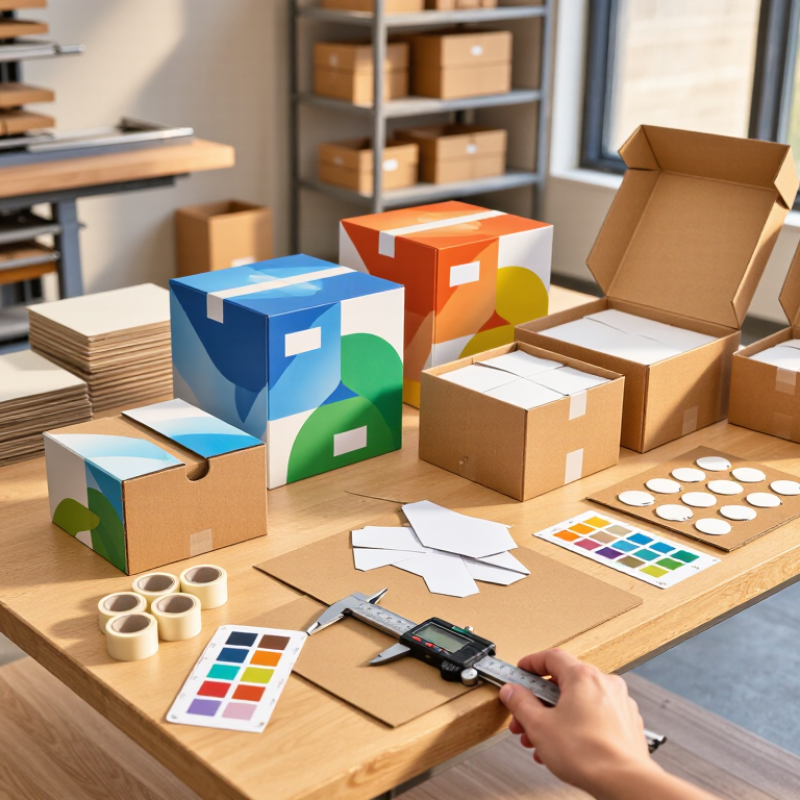
In practical sourcing work, details often reveal more than impressive catalogs. Ask for physical samples with your actual dimensions. Check the board thickness, folding accuracy, print sharpness, and adhesive strength. A useful supplier can explain kraft and white corrugated options clearly. They should also discuss CMYK color limits, coating choices, insert design, and carton packing methods. Small details matter. A crushed corner can damage the customer’s first impression.

Factory experience is also important. Review production photos, quality procedures, sample approvals, and export records when available. Reliable manufacturers usually provide clear quotations, realistic lead times, and traceable order updates. They should confirm artwork files before production and inspect finished cartons against approved samples. Certifications may support credibility, but they should be verified rather than accepted blindly.

No supplier is perfect. Color differences may appear between digital samples and mass production. Delivery schedules can also change during busy seasons. This is why written specifications, pre-production samples, and reasonable inspection plans are valuable. The best partner is not always the cheapest option. It is the supplier that combines consistent workmanship, honest communication, and practical packaging advice. For growing brands, that balance can make custom printed mailer boxes more protective, memorable, and commercially reliable.
China Best Custom Printed Mailer Boxes Supplier?

What Are Custom Printed Mailer Boxes?

Custom printed mailer boxes are shipping boxes designed to carry products and display printed graphics on their outer or inner surfaces. They usually fold into a sturdy, self-locking shape, so many designs need no separate outer carton for routine shipping. A small carton can hold a ceramic cup, folded tissue paper, and a packing slip. Printing may include a logo, product details, handling notes, or simple colors. The exact options depend on the board, printing method, and box structure.

A useful design starts with the product’s size, weight, and journey. Measure the item with its protective padding, not just the product alone. Corrugated board can help cushion bumps, while a snug fit limits movement inside the box. Still, attractive printing does not guarantee safe delivery. A box that looks solid on a desk may perform differently after stacking or damp handling. Testing a sample with the actual product is a practical step, though it can add time and cost. Color on a screen may also differ from the printed result.

Tips: Ask for a physical sample and check the folds, print, and fit. Try packing the item yourself. If it shifts, revise the insert or box dimensions before ordering a larger run.

Why Choose a Chinese Mailer Box Supplier?

Why Choose a Chinese Mailer Box Supplier?

China’s packaging industry offers access to established paper mills, printing facilities, and converting services in one manufacturing ecosystem. For buyers, this can make custom sizing, protective inserts, and print adjustments easier to coordinate. UNCTAD reported that global e-commerce sales reached about $26.7 trillion in 2019, highlighting the scale of commerce that depends on packaging and delivery. This figure covers business-to-business and business-to-consumer sales, so it should not be mistaken for parcel volume. A capable supplier can help translate a shipping requirement into a box specification, but sample testing still matters. A printed box may look sturdy on a desk and perform poorly after a long journey.

Tips: Ask for a physical sample, board-grade details, print proofs, and a written production schedule. Test the box with the actual product and cushioning before approving a large order.

Chinese suppliers may offer flexible production quantities and multiple printing options, while established export networks can support overseas shipping. Results vary by factory, order size, and season. Freight costs, communication delays, and quality differences are real trade-offs—not minor details. Request recent quality-control records and clarify who pays for replacement units if defects appear. A supplier’s location alone does not guarantee lower total cost or reliable delivery. Compare landed prices, including packaging, freight, and any applicable import charges, before choosing.

How to Evaluate Printing Quality and Box Materials

China Best Custom Printed Mailer Boxes Supplier?
How to Evaluate Printing Quality and Box Materials

A reliable mailer box should protect its contents and keep printed details clear. Request a physical sample, not only a digital proof. Check small text, fine lines, and color consistency under natural light. Rub the printed surface gently with a clean, dry cloth. Visible smudging may signal poor ink setting or an unsuitable finish. Ask the supplier which printing process and coatings they use, and whether the sample matches the planned production method.

Material choice matters just as much. Compare board thickness, flute structure, and stiffness against the product’s weight and shipping needs. Press the corners lightly; they should resist crushing without feeling brittle. Fold a sample along its creases and inspect for cracking or uneven edges. A box that looks sturdy on a desk may behave differently after packing. Test it with the actual product and protective inserts before approving a large order.

Tips: Ask for material specifications and a printed sample from the intended production run. Check color, folds, glue seams, and fit. Keep one approved sample as a reference. Small differences between samples can happen, so record any concerns in writing before production begins.

What Customization Options Can Suppliers Provide?

Custom printed mailer boxes can be tailored in more ways than color and logo placement. Suppliers may adjust box dimensions, corrugated board strength, closure style, tear strips, and internal dividers. A snug fit helps limit product movement, while a simple opening tab can make unboxing easier. Fit matters.

For graphics, ask about exterior and interior printing, color matching, coatings, and print coverage. A small one-color mark can keep costs and ink use lower; full-color artwork creates more room for instructions or a branded interior. McKinsey’s 2020 consumer survey reported that 60–70% of respondents were willing to pay more for sustainable packaging, depending on the product category. That makes recycled-content board and water-based inks worth discussing, though “eco-friendly” claims should be checked against the supplier’s material specifications.

Useful options also include paper cushioning, custom inserts, and samples printed on the intended board. Request a physical prototype before approving a large order. Check how the box performs when stacked and shipped, not just how it looks on a screen. One trade-off is easy to miss: extra finishes may improve appearance but can complicate recycling. Ask suppliers to explain each material layer and provide relevant test or sourcing documents. A perfect mock-up is not a shipping test.

How to Select the Best Supplier for Your Business?

Choosing a custom printed mailer box supplier starts with a clear product brief. Share your box dimensions, expected order volume, print colors, and the items you plan to ship. Ask for a physical sample made with similar board and printing. Check whether the box folds cleanly, holds its shape, and keeps small items from shifting. Look closely at color consistency and alignment near the edges. A polished website is not proof of consistent production.

Ask how the supplier handles prototypes, revisions, and quality checks. Request a written quote that separates setup costs, unit pricing, packaging, and freight. Confirm minimum order quantities and realistic production times in writing. Then test a sample with your actual product. A box can look sturdy on a desk but arrive dented after a rough delivery route. I once assumed a thicker board solved everything; the insert still let the product move.

Good communication matters. Notice whether replies answer your questions directly and include useful details, such as tolerances for dimensions or how print colors are approved. Ask for recent customer references or quality records when available. If recycled materials matter to your business, request specific material details rather than relying on broad claims. No supplier is perfect. Compare how each one responds when a sample needs a correction, and agree on an approval process before placing a large order.

China Best Custom Printed Mailer Boxes Supplier? - How to Select the Best Supplier for Your Business?

Use this practical checklist to compare potential suppliers. Specifications, minimum order quantities, prices, and lead times vary by box size, material, print method, and order volume; confirm them in a written quotation.

Evaluation Dimension What to Compare Practical Selection Guidance Evidence to Request
Box construction Board grade, flute profile, dimensions, and closing style Match the board and construction to product weight, fragility, shipping conditions, and presentation needs. E-flute is relatively thin; B- and C-flute options are generally thicker. A written material specification and a physical sample using the proposed construction
Print quality Available print methods, color consistency, registration, and finish Choose a print process suited to the artwork, quantity, and board surface. Set color expectations using an approved proof or sample rather than relying on screen appearance alone. A printed sample, proof-approval process, and written color or defect acceptance criteria
Customization capability Custom sizes, inserts, tear strips, coatings, and structural design Confirm that requested features are compatible with the box design and intended packing process. Ask whether any tooling or setup charges apply. A dieline, structural drawing, itemized setup costs, and a pre-production sample where appropriate
Testing and quality control Inspection stages, sampling plan, and transport-performance tests Agree on measurable acceptance criteria before production. For shipping protection, test the packed product using a protocol appropriate to its distribution route and risks. Inspection records, sample approval details, and relevant test reports if tests are performed
Minimum order quantity Minimums by size, print method, and design Compare the minimum with forecast demand and storage capacity. Ask how pricing changes at several order quantities; minimums are supplier- and specification-dependent. A quotation showing quantity breaks, setup charges, and any repeat-order conditions
Lead time and capacity Sampling, production, and dispatch schedules Request separate timelines for artwork approval, sampling, production, and shipping. Confirm how schedule changes or peak-season capacity are handled. A dated production schedule and written confirmation of the order-ready date
Materials and sustainability claims Recycled content, fiber sourcing, coatings, and recyclability guidance Specify any required recycled-content percentage and request supporting documentation. Check whether coatings, liners, or other components affect local recycling instructions. Material declarations and valid certification documentation when a certified claim is required
Total landed cost Unit price, tooling, packing, freight, duties, and delivery terms Compare the full delivered cost, not just the box price. Confirm carton packing details and the trade term, named place, and responsibility for import charges. An itemized quotation with currency, validity period, packing details, and delivery terms
Communication and traceability Response clarity, change control, and production records Prefer a supplier that confirms specifications in writing, identifies approval points, and provides a clear process for handling defects or order changes. A written order confirmation, approved artwork record, and documented issue-resolution process
Back to top