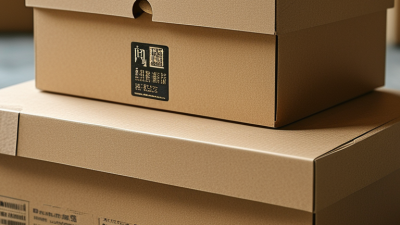
7 Best Printed Mailer Boxes for Ecommerce?
An ecommerce package has only a few seconds to make a first impression. A printed mailer box can protect an order, carry a brand’s colors, and give customers a clear opening experience. But attractive printing cannot compensate for a box that arrives crushed or wastes space.
The opportunity is substantial. The U.S. Census Bureau reported that U.S. ecommerce sales reached an estimated $1.119 trillion in 2023, representing 15.4% of total retail sales. That growth makes packaging choices more visible—and more consequential. Packaging expert Walter Soroka, author of Fundamentals of Packaging Technology, defines packaging as “the science, art and technology of enclosing or protecting products for distribution, storage, sale, and use.” Protection still comes first. Presentation matters, too.
This guide compares seven printed mailer boxes for different ecommerce needs, from compact apparel shipments to carefully presented subscription orders. We look at print quality, material, assembly, customization, and practical protection. A useful box should fit the product without excessive empty space, and its design should remain legible under warehouse lighting. Small details count. Still, no single option suits every brand; even a premium finish may add cost without improving the customer experience. Treat the choices as a shortlist, then test samples with your actual products before committing to a large order.
What Printed Mailer Boxes Are and How They Work
Printed mailer boxes are paperboard or corrugated containers designed to hold products during storage and delivery. Their attached flaps fold into place, often with locking tabs, so many can close without a separate lid. Corrugated versions add a ridged inner layer for cushioning. They are commonly used for clothing, books, cosmetics, and other compact orders.
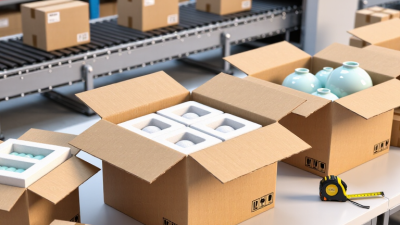
Packing is simple: open the flat box, fold the panels, add the product and any protective fill, then secure the closure. A shipping label goes on a flat, visible surface. During delivery, the box passes through handling and sorting, so a snug fit matters. Too much empty space can let items shift. Too little can strain the seams. Small details count.
Printed graphics are applied to the outside or inside, using methods suited to the board and design. They can show a logo, product details, or a welcoming message, but ink may scuff if boxes rub together. A glossy finish can also look different under warehouse lighting. Test a filled sample through a realistic shipping route before ordering a large batch. It is easy to overlook this. Printing improves presentation, but it does not replace sound packaging, careful packing, or clear shipping information.
Key Features of Effective Ecommerce Mailer Boxes
Printed mailer boxes should protect products, fit snugly, and open without a struggle.
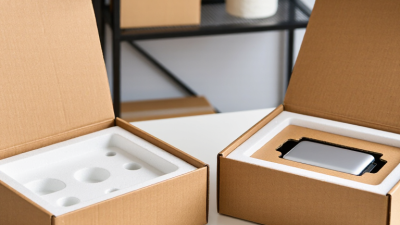
Choose a box size that leaves room for a protective insert but does not let items slide around. Corrugated board can help cushion light impacts during handling. Check the box’s stated dimensions and test it with your actual product, including any wrapping or inserts. A tight fit matters.
Tips: Measure the packed item, not just the product. Place a sample order and check how the box folds, seals, and opens. A quick test can reveal a weak flap or awkward fit.
Printing should remain clear across folds and corners. Keep essential details away from crease lines, where small text or thin graphics may distort. Choose ink coverage and finishes that suit the box’s surface; heavy coverage may scuff during transit. A bright design can catch the eye, but it should not make handling instructions hard to find. There is a trade-off between visual impact and practical readability. Sometimes less decoration works better. Review a physical proof before approving a full run, since colors on screen can look different on board.
How to Evaluate Printed Mailer Boxes for Your Business
Evaluate printed mailer boxes by how they perform, not just how they look.
Measure the product and its protective inserts, then check for movement inside the box. A snug fit can reduce damage and excess material. Inspect print samples in natural light; small text and dark colors may look different on corrugated board. Ask for the board grade, box dimensions, print method, and minimum order quantity before comparing quotes.
Sustainability claims deserve evidence. The U.S. Environmental Protection Agency estimated that containers and packaging generated 82.2 million tons of municipal solid waste in 2018; 53.9% was recycled. These figures cover many packaging types, not mailer boxes alone. Still, they make material choice worth checking. The 2023 Global Buying Green Report found that 82% of surveyed consumers were willing to pay more for sustainable packaging. That signals interest, not guaranteed sales.
Request a sample and pack it with a real order. Shake it, stack it, and inspect the corners after a short delivery test. Test it physically. Compare the printed sample with the approved artwork, including colors, barcode clarity, and opening tabs. One caveat: a survey cannot predict how your customers will respond. Track damage, packing time, and customer feedback after launch; even a beautiful box can be awkward to assemble.
Seven Best Printed Mailer Box Options for Ecommerce
Seven Best Printed Mailer Box Options for Ecommerce
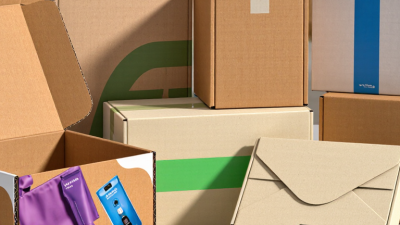
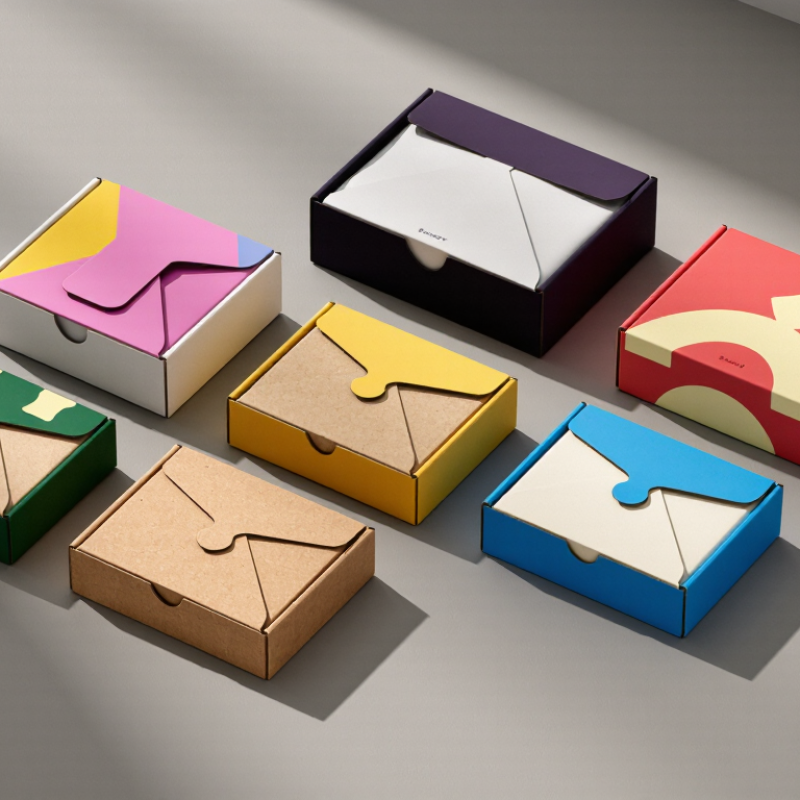
Seven practical options suit different products and budgets: natural kraft with a small logo, white boxes with full-color exterior printing, interior-print boxes, and designs printed on both sides. Spot-color artwork keeps graphics restrained. Seasonal designs add timely detail, while simple line art creates a clean, reusable look. Each option changes the unboxing experience. It also affects print complexity and cost.
Match the print to the product and packing process. A bold exterior can make a parcel easy to recognize, but detailed artwork may compete with shipping labels. Interior printing creates a reveal when the lid opens, though customers may never notice it if the box is tightly packed. Kraft board has a textured appearance; colors may look different on it than on a bright white surface. Requesting a physical proof is sensible. Screen previews can mislead.
Tips: Keep key text away from folds and seams. Check artwork at actual box size, not just on a monitor. Ask for a sample with your typical product inside. No option is perfect. A quiet design may feel less dramatic than expected, but it can still look considered and clear.
Comparing Cost, Sustainability, and Brand Impact
A useful comparison of seven printed mailer box options starts with the product and shipping route. Standard single-wall corrugated boxes suit many apparel and home goods orders, while kraft mailers keep printing simple. Recycled-content boxes can reduce demand for virgin fiber, but availability and pricing vary. Lightweight designs may lower shipping weight; test them with the actual product before ordering at scale. Custom inserts protect fragile items, though they add material and assembly time. One-color printing is often a cost-conscious choice. Full-color coverage offers more visual impact, but can increase print costs and may show scuffs.
Ask suppliers for quotes at several order quantities, including setup fees, shipping, and sample costs. A low unit price can be misleading. Measure the packed order, not just the product: a box that is too large may need more void fill and cost more to ship. Check board strength against the parcel’s likely handling.
A neat sample on a desk proves little. Drops happen.
Sustainability depends on the whole package, not just a recycled label. Use only as much board, ink, and filler as protection requires, and check whether local facilities accept the finished box. For brand impact, a crisp logo, readable message, and clean opening experience can matter more than printing every surface. Still, restrained design is not automatically better; some products need clearer instructions or a stronger visual cue. Compare prototypes under real packing conditions before committing to a large run.