How to Choose Shipping Boxes in 2026?
Choosing shipping boxes in 2026 requires more than comparing prices and dimensions. A box must protect products, control shipping costs, support brand presentation, and reduce unnecessary material. The right choice depends on product weight, fragility, delivery distance, storage conditions, and packing speed. A small ceramic mug needs different protection from a folded T-shirt or a multi-item subscription order.
Packaging consultant Cory Connors, host of The Packaging Podcast, describes packaging as “the silent salesperson.” That idea matters when customers receive a clean, sturdy box with minimal movement inside. A crushed corner or excessive filler tells a different story. In practical terms, retailers should examine corrugated strength, box style, closure method, and internal fit before ordering large quantities. Test filled boxes with realistic handling conditions. A sample that survives a warehouse shelf may still fail during repeated transport impacts.
Sustainability also deserves careful attention. Choosing a smaller shipping box can reduce void fill, dimensional weight, and storage space. However, the smallest box is not automatically the best box. It may increase product damage or slow fulfillment. Recycled content, curbside recyclability, and supplier transparency should be considered alongside performance. Standards and carrier policies can change, so current specifications need verification.
There is no perfect formula. Packaging decisions involve trade-offs. A lightweight box may save money, yet offer less protection. A premium mailer may improve presentation, but exceed the budget. This guide explores how to balance those choices and select shipping boxes that work reliably in real-world operations.
Define the Product, Weight, and Protection Requirements
How to Choose Shipping Boxes in 2026?
Define the Product, Weight, and Protection Requirements
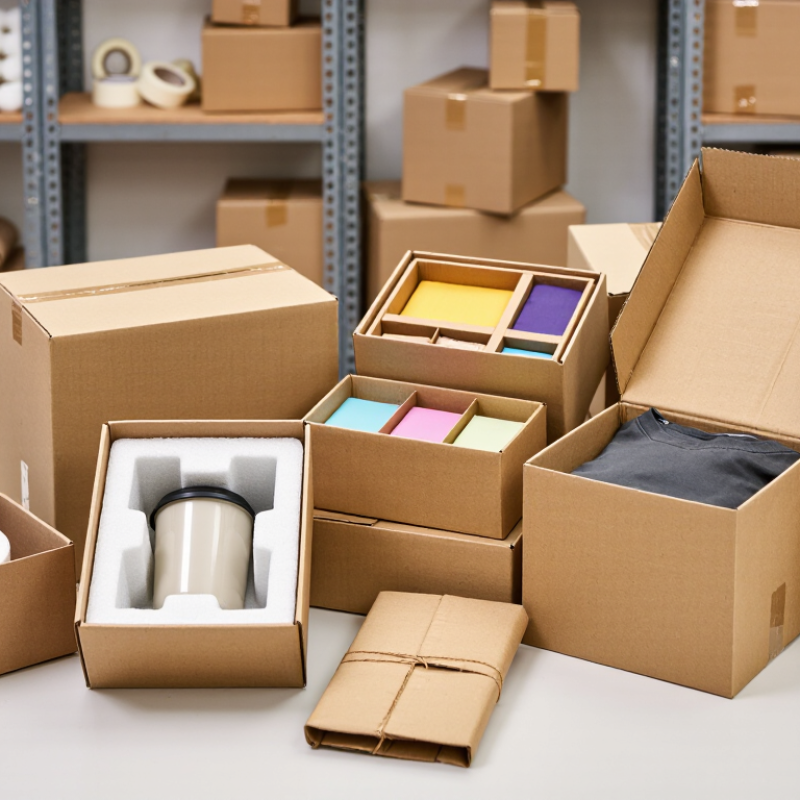
Choosing a shipping box starts with the product, not the box catalog. Measure the item’s length, width, and height after adding handles, caps, or protective wrapping. A ceramic mug needs different support than a folded cotton shirt. Product shape matters.
I have found that loose space often causes more damage than expected. During a warehouse trial, small metal parts shifted inside a large carton and dented each other. My first size estimate was too optimistic. Use a snug fit, but leave enough room for cushioning. A box that closes under pressure may already be too small.
Weight also affects the box design. Record the product’s weight, packaging materials, and any included accessories. Then check how the packed box feels when lifted from a low shelf. Heavy items need strong seams and a stable base. Lightweight items still need protection from crushing. Do not rely on thickness alone.
Protection requirements should match the shipping journey. A fragile glass item may need corner support, cushioning, and internal separation. A durable plastic tool may only need controlled movement and moisture-resistant wrapping. Test a packed sample with gentle drops and stacking pressure. Real handling is rarely perfect. That is the part many packaging plans underestimate.
Measure the Package and Select the Right Box Dimensions
In 2026, box selection starts with measurement, not guesswork.
Measure the product at its widest, longest, and highest points. Include handles, caps, and any parts that may shift during transit. Record the dimensions in centimeters, then add only the space needed for protection.
A 30 × 20 × 10 cm item may need a 34 × 24 × 14 cm inner box with light cushioning.
Do not measure the carton’s outside dimensions first. That common shortcut creates costly errors.
The 2023 Global Parcel Shipping Index recorded about
161 billion parcels worldwide in 2022.
Small dimensional mistakes can therefore multiply across large shipping volumes. Carriers often calculate charges using dimensional weight, based on carton volume and a carrier-specific divisor. A larger box may cost more, even when the product weighs very little.
The US EPA reported 82.2 million tons of containers and packaging in the municipal waste stream in 2018.
Right-sizing can reduce both unused material and transport space.
Test the packed box by gently shaking it and checking for movement. The product should stay centered, without touching the walls. For fragile items, follow recognized transit-testing practices, such as compression and drop testing. My own habit of adding extra filler sometimes feels safer, but it can waste space and still miss weak corners. Recheck dimensions after packing. Boxes flex, and real measurements are often slightly different.
Compare Box Materials, Strength Ratings, and Closure Styles
How to Choose Shipping Boxes in 2026?
Parcel networks are carrying more pressure than ever. The Pitney Bowes Parcel Shipping Index reported 161.8 billion parcels worldwide in 2023. Your box must survive stacking, vibration, drops, and damp loading areas.
Corrugated cardboard suits most shipments because it is light, printable, and widely recyclable. The U.S. Environmental Protection Agency reported a 96.5% recycling rate for corrugated boxes in 2018. However, recycled fiber can lose strength when exposed to moisture. For heavier products, compare edge crush test ratings, such as 32 ECT or 44 ECT. Burst strength can help too, but it does not replace realistic transit testing. A high rating is not magic. Box size matters. Too much empty space allows movement, while excessive compression wastes materials.
Closure style also affects performance. Pressure-sensitive tape is fast and secure for ordinary parcels. Water-activated tape can reinforce seams and show visible tampering. Staples may work for industrial cartons, but they can catch handling equipment and create sharp edges. Test the complete pack under ASTM D4169 or ISTA procedures, including compression, shock, and vibration. I have seen strong boxes fail because the tape was poorly applied. That detail is easy to miss.
Tips: Match the box rating to product weight and stacking height. Measure internal dimensions after adding cushioning. Test during humid conditions, not only in a dry warehouse. Record failures honestly; one weak corner can reveal more than a perfect sample.
Evaluate Shipping Costs, Sustainability, and Storage Needs
How to Choose Shipping Boxes in 2026?
Shipping boxes should support three practical goals: lower costs, reduced waste, and efficient storage. Start by measuring the product, not the old box. A box with five extra centimeters can increase dimensional weight and shipping charges. Test two or three sizes with real packing materials. A small trial shipment often reveals costs that online estimates miss.
Sustainability also requires careful judgment. Recycled fiber can reduce material demand, but oversized boxes still waste paper and transport space. Choose strong, lightweight cartons that survive stacking, moisture, and ordinary handling. Reuse is useful when boxes remain clean, dry, and structurally sound. However, reused cartons may look inconsistent and can create a poor customer experience. I have found that “eco-friendly” decisions are rarely simple.
Tips: Record each box’s length, width, height, weight, and storage footprint. Store flat cartons on raised shelves, away from damp floors. Limit slow-moving sizes. Review damage rates every month, because a cheaper box is not cheaper after returns and replacements. Leave enough room for padding, but not enough for products to move freely. This balance takes testing. Perfect sizing is not always realistic. A practical improvement is still valuable.
Test, Label, and Finalize the Best Box for 2026 Shipping_久久爱
Choosing a shipping box in 2026 requires more than comparing prices. The box must match the product, route, weather, and handling risks. I test sample boxes before approving bulk orders. A filled box should survive repeated drops from about one meter. It should also resist compression when stacked. Humidity matters. Corrugated material can soften during rainy deliveries. My first choice was too rigid and added unnecessary weight. That mistake increased transport costs without improving protection.
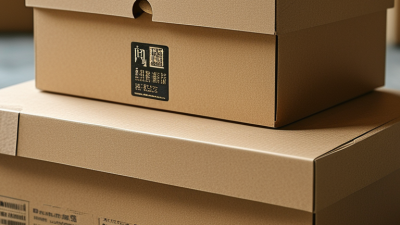
Labels deserve the same attention. Mark the correct dimensions, weight, handling direction, and recycling information where required. Print labels with strong contrast and test them under light scratches or moisture. A barcode that scans indoors may fail in a dim warehouse. I also photograph each approved box, including its inside padding and closing method. This creates a clear record for production checks and supplier discussions.
Tips: Test a real packed order, not an empty box. Use the heaviest normal product. Check crushed corners after every trial. Leave room for cushioning, but avoid movement. Finalize the box only after reviewing damage, packing speed, label visibility, and total shipping weight. Keep one sealed sample for future comparison. Conditions change, and an approved box may still need another review.
How to Choose Shipping Boxes in 2026: Test, Label, and Finalize the Best Box
Use the smallest box that safely protects the product. The chart shows calculated dimensional weight for common box sizes using the formula length × width × height ÷ 139, rounded up to the next whole pound.
Dimensional weight can increase shipping charges when a package is large but lightweight. Before finalizing a box, confirm its compression or edge-crush performance, protect the contents with suitable cushioning, apply a flat and readable shipping label to the largest surface, and verify the applicable carrier divisor and rounding rules.