What Are the Top Shipping Box Types in 2026?
Choosing shipping boxes in 2026 means balancing product protection, parcel size, packing speed, and material use. Packaging analyst David Luttenberger’s perspective can be distilled into a practical rule: “A good box protects the product without wasting space.” Treat that as guidance, not a universal formula; fragile ceramics and folded apparel have very different needs.
Common options include regular slotted corrugated cartons, lightweight mailer boxes, rigid setup boxes, telescoping cartons, and custom die-cut designs. Corrugated cartons suit heavier goods and mixed orders. Mailer boxes work well for compact products and direct-to-consumer shipments. Rigid boxes offer a polished presentation, but their weight and storage footprint may not suit every operation. Need temperature control? Insulated box systems can help, provided the product’s handling requirements are understood.
Look closely at the shipment, not just the item. A glass bottle needs cushioning around its shoulders and base. A long poster may need a tube or a telescoping carton. Measure the packed product, check how easily the box closes, and consider whether void fill will keep contents from shifting. Small details matter.
The best choice is not always the most custom one. Standard sizes can simplify storage and packing, while custom designs may reduce excess material for consistently shaped products. There is a trade-off. The sections ahead compare box types, their strengths, limitations, and practical uses, helping teams choose shipping boxes with clearer evidence—and room to reconsider when real shipment results disagree.
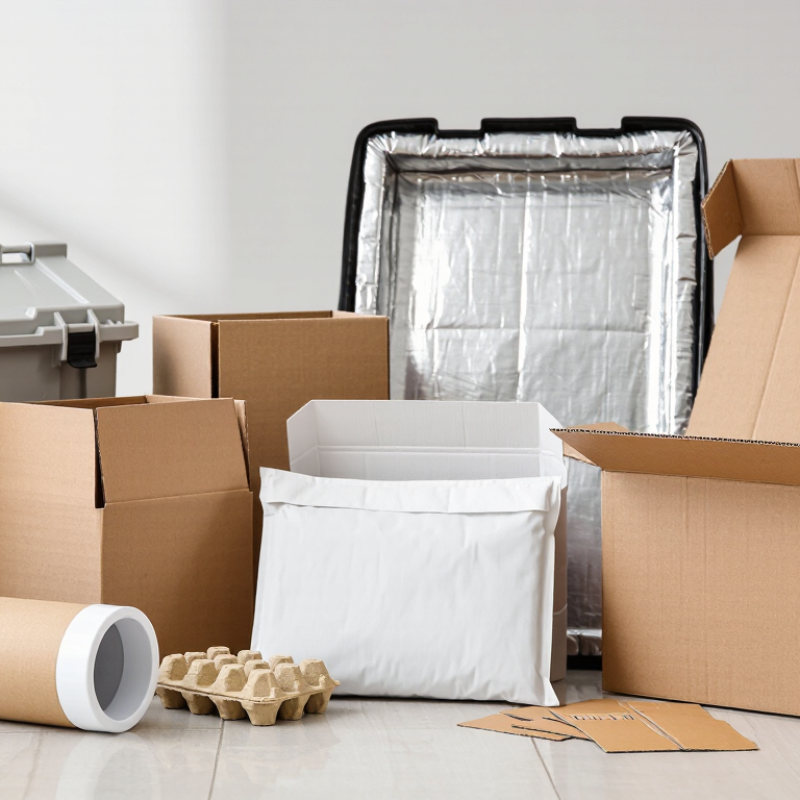
How Shipping Boxes Are Classified by Structure and Use
What Are the Top Shipping Box Types in 2026?
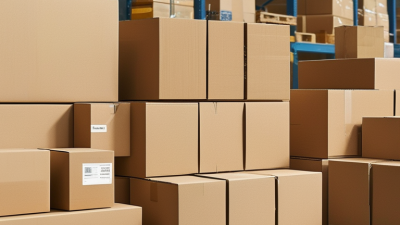
Shipping boxes are easier to choose when classified by both structure and use. Corrugated boxes have fluted paper between outer liners. Single-wall construction suits books, clothing, and many everyday parcels. Double-wall board adds cushioning and stacking strength for heavier loads or longer routes. Triple-wall designs are more specialized and may be excessive for small, light goods. Board grade, box size, and packing method matter as much as wall count.
Tips: Check the packed item, not just its listed weight. A dense object can strain a bottom seam. Leave some cushioning space, then gently shake the closed box; movement signals a need for adjustment. Keep contents centered. Do not overfill. These checks help, but fragile or unusually shaped products may need practical testing.
Box styles are also classified by access and purpose. Regular slotted cartons fold into a familiar rectangular shape for general shipping. Die-cut mailers close with built-in tabs, making them useful for flat items and quick packing. Telescoping boxes have separate tops and bases for tall or awkward goods. Insulated and partitioned designs serve temperature-sensitive items or multiple components. These categories can overlap: a mailer may still use corrugated board. Appearance alone can mislead; dimensions, stacking, and handling conditions offer better clues. Damp storage is easy to overlook, yet moisture can soften even sturdy board.
Common Corrugated Box Types for Everyday Shipments
Regular slotted containers, or RSC boxes, are the everyday workhorse. Their top and bottom flaps meet at the center, so packers can seal them quickly with tape. Choose a snug size for books, kitchen goods, or several smaller cartons. Too much empty space means more cushioning and a box that may still shift in transit. That detail matters. For lightweight items, die-cut mailers fold into a neat, self-locking shape. They suit apparel and small household goods, though their edges can be less protective than a fully taped carton. Full-overlap boxes add coverage because their flaps overlap across the top and bottom. They are useful when contents are heavier or stacking pressure is expected.
Telescoping boxes have a separate lid that slides over the base, making them handy for flat or unusually shaped products. Corrugated partitions can also keep glassware or components from knocking together inside a larger box. The EPA’s 2018 materials report estimated that 96.5% of corrugated boxes were recycled in the United States. AF&PA’s 2023 recycling report put the overall U.S. paper recycling rate at about 60%; the figures cover different materials and years, so they are not directly comparable. Still, box choice affects how much material a shipment uses. A stronger box is not automatically a better one. Test the fit with the actual product, including its padding.
Mailers and Specialty Boxes for Specific Shipping Needs
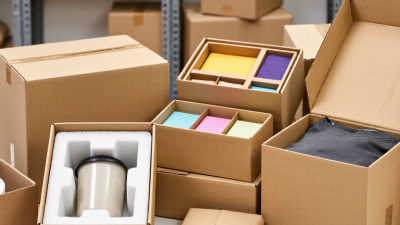
Mailers suit soft, lightweight goods such as folded clothing, documents, and non-fragile accessories. Choose a paper mailer when the item tolerates compression; use a padded version when small knocks are a concern. Specialty boxes work better for rigid, fragile, or oddly shaped products. A fitted insert can stop a glass jar or compact device from striking the walls in transit.
Less empty space.
It can also mean less cushioning, though the right fit depends on the product’s weight and route.
Packaging waste makes that choice worth measuring. The European Environment Agency reported that EU packaging waste reached 186.5 kilograms per person in 2022.
Eurostat’s 2022 data put paper and cardboard packaging recycling at 83.2% across the EU.
Those figures do not guarantee that a particular mailer will be recycled; local collection rules and coatings matter. A recyclable-looking finish can still complicate sorting.
There is no perfect rule.
Test a mailer and a fitted box with real packed orders, including a drop test, before standardizing. For a long, narrow product, a custom carton may protect better than a larger box filled with loose paper. Still, custom sizes can raise storage and purchasing costs, so compare damage rates and pack time alongside material use.
How Box Materials and Designs Affect Protection
In 2026, the best shipping box is not automatically the thickest one. Its material and shape should match the item, route, and handling risks. Single-wall corrugated boxes suit many lightweight goods and routine deliveries. Double-wall corrugated board adds stiffness for heavier loads or longer journeys. But stronger board alone cannot stop an item from shifting. That gap matters. A snug fit, cushioning, and sealed seams work together to limit impact and abrasion. For small, non-fragile products, paperboard mailers can save space, though they offer less crush resistance.
Rigid boxes resist bending and can protect flat or presentation-sensitive items, but their extra weight may raise shipping costs. Molded-pulp inserts or folded-paper supports can hold products in place without leaving empty corners. For glass or electronics, test the packed box with realistic drops and vibration, not just a gentle shake. Keep heavy items centered, separate components, and check that the closure stays shut under pressure. There is no perfect design. A box that performs well in a warehouse may still struggle in rain, rough sorting, or a crowded vehicle. That is easy to overlook. Choose by measuring the product and testing a filled sample; revise the fit when damage or excess empty space appears.
What Are the Top Shipping Box Types in 2026?
How box materials and designs affect protection
Corrugated shipping boxes commonly use single-, double-, or triple-wall construction. More wall layers can improve stacking strength and help resist impacts, but protection also depends on board grade, flute profile, box dimensions, and interior cushioning. Wall count is a construction detail, not a standardized protection rating.
Choosing a Shipping Box for Size, Weight, and Destination
The best shipping box depends on the item, its weight, and the route it will travel. Small, sturdy items often fit well in a single-wall corrugated box. Heavier goods or shipments with several handling points may need double-wall board. Flat boxes suit prints and panels, while long boxes protect rolled or narrow items. Mailer boxes can work for compact products, but they are not automatically the safest choice for fragile contents.
Fit matters. Choose a box that leaves room for cushioning without allowing the item to slide. Too much empty space can invite crushing; a box that is too tight may press against delicate edges. Carriers may also calculate charges using dimensional weight, so oversized packaging can cost more even when the parcel is light. Destination matters too: a short local trip is different from a long journey with repeated transfers. I still find box selection imperfect; test packing can reveal weak corners that a quick glance misses.
Tips: Weigh the packed parcel, not just the item. Place a small shake-test inside the sealed box; contents should stay put. For fragile goods, cushion each side and check that the box closes without bulging. If the shipment is unusually heavy, choose stronger board and verify the box’s rated capacity before sending.