What Are the Top Types of Cardboard Boxes?

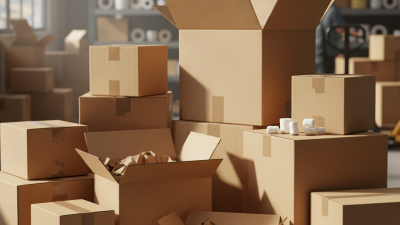
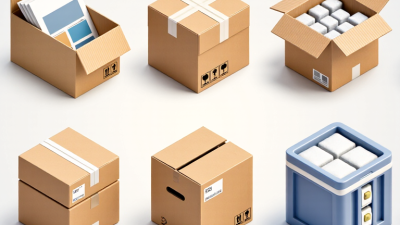
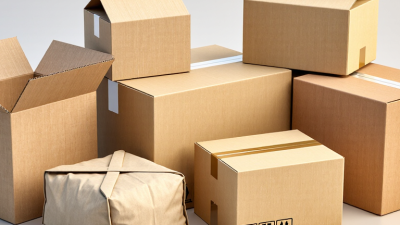
Cardboard boxes may look interchangeable on a shelf, but their construction changes how they protect, store, and ship a product. A corrugated shipping box has fluted layers that help resist crushing. A folding carton is lighter and often used for retail goods. Rigid boxes, mailers, and die-cut designs serve different needs, too. The right choice depends on weight, fragility, handling, and presentation.

Packaging data helps explain why material decisions matter. The American Forest & Paper Association reported a 65.7% U.S. paper recycling rate for 2023. That figure covers paper and paperboard overall, not every box type separately. A recycled-content claim should therefore be checked against the specific product and supplier. Small distinction. It matters.

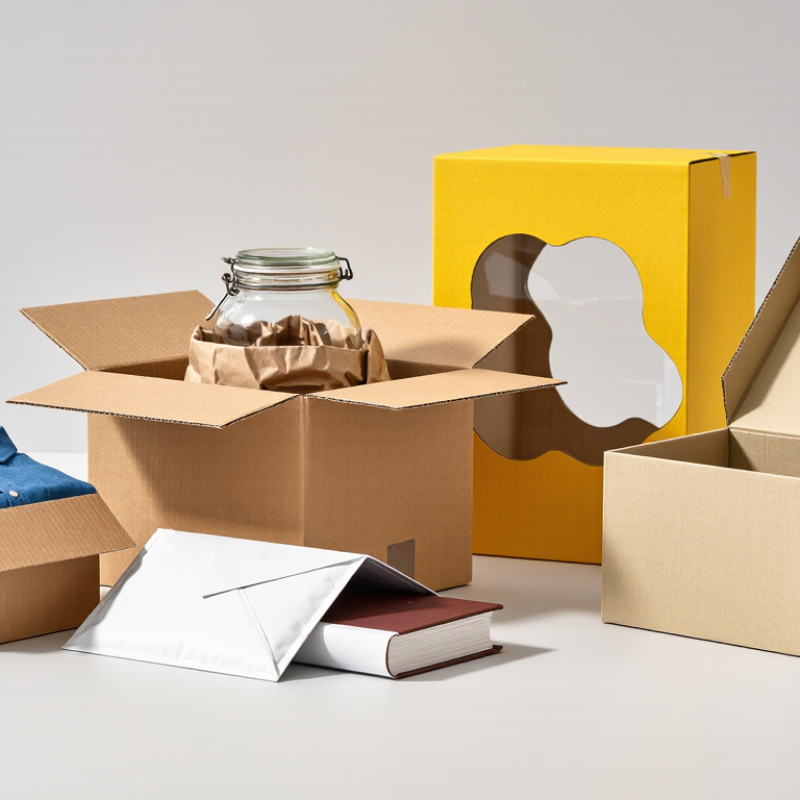
This guide compares the top types of cardboard boxes by structure, common uses, and practical trade-offs. Picture a glass jar packed for delivery, a shirt displayed in a shop, or a book mailed across the country. Each may call for a different box. We’ll look at corrugated boxes, folding cartons, rigid boxes, mailers, and specialty designs, then consider what affects durability and cost. There is no universal “best” box; even a sturdy option can be wasteful if it is oversized. That part is easy to overlook. The aim is a clearer, evidence-aware starting point for choosing packaging that fits the product and its journey.
What Are the Top Types of Cardboard Boxes?

How Cardboard Boxes Are Classified by Structure and Purpose

Cardboard boxes are classified by both their construction and their job. Structure affects how a box folds, stacks, and handles pressure. Purpose helps determine its size, opening style, and interior support.

A regular slotted container is a common shipping box. Its four top flaps meet at the center, making it practical for everyday cartons and warehouse stacking. Telescope boxes use a separate lid that slides over a base, which can help protect shallow or delicate items. Die-cut boxes have shaped panels and locking tabs, so some close without tape. Corrugated walls also vary: single-wall board suits many light loads, while double-wall board can offer extra stiffness. More layers do not automatically mean better protection.

Purpose adds another layer to the choice. Mailer boxes often open like a book and keep smaller goods snug during delivery. Divided boxes use inserts to separate glassware or other items that might knock together. Produce boxes may include ventilation holes, but those openings can weaken panels if placed poorly. It is easy to focus on appearance. Fit, weight, stacking, and moisture matter too. A box can look sturdy and still sag when overloaded. Check the packed weight and how the flaps close before settling on a style.

Corrugated Boxes for Shipping and Protective Packaging

Corrugated boxes are a common choice for shipping because their fluted middle layer helps absorb bumps and stacking pressure. Single-wall boxes suit many lightweight parcels, while double-wall construction can offer more support for heavier or fragile contents. The right choice depends on the product, its weight, and how far it will travel. That matters.

Regular slotted boxes work well for larger items and are usually sealed with packing tape. Die-cut corrugated mailers have folding panels that can hold smaller products snugly, often with less empty space. For glassware or equipment, inserts and dividers help limit movement inside the box. A box that looks sturdy may still fail if the contents slide around.

Protective packaging works best when the box fits closely without pressing against the item. Leave enough room for cushioning, and check that the flaps meet cleanly after packing. Fit is not everything. Humidity can soften corrugated board, and repeated handling can weaken corners. A practical test is to pack a sample, gently shake it, and inspect the contents and seams. Real shipping conditions vary, so adjust the box and cushioning when a trial reveals loose movement or damage.

Folding Cartons for Retail and Everyday Products

Folding cartons are paperboard packages made from flat blanks, then scored and folded into shape. They suit retail and everyday goods such as cereal, skincare, and small household items. A carton can carry clear product details and a strong shelf design, while shipping flat to save storage space. That is useful for busy packing lines. Still, thin board may buckle under heavy products or soften near moisture; some items need an inner tray or stronger outer packaging.

Material recovery matters, too. The U.S. Environmental Protection Agency’s 2018 materials report recorded a 68.2% recycling rate for paper and paperboard overall. This figure is not specific to folding cartons, and actual recovery depends on local collection systems and carton condition. Clean, dry cartons are generally easier to sort than greasy or food-soiled ones. The practical detail is easy to miss.

Tips: Match board thickness to product weight, and test a packed carton for corner crushing. Keep glue and coatings appropriate for the intended recycling stream. Check local sorting guidance before printing recycling instructions. A neat-looking carton is not automatically easy to recycle.

Rigid Boxes for Premium Goods and Long-Term Storage

Rigid boxes are made from thick paperboard wrapped in decorative paper, fabric, or another finish. Unlike folding cartons, they keep their shape and usually arrive ready to use. A fitted lid, magnetic closure, or lift-off top can make opening feel deliberate. Small details matter: clean corners and a snug insert help keep a glass bottle or keepsake from shifting. These boxes suit premium goods and items that need a sturdy container between uses. They can be reused for photographs, accessories, or seasonal decorations. Still, a rigid box is not automatically archival or moisture-resistant.

Tips: Choose an insert that holds the item without squeezing it. Store the box somewhere cool and dry, away from direct sunlight. For long-term storage, check whether the paper and adhesives are suitable for the item; decorative finishes can vary.

The solid walls offer more protection from bumps than thin folding cartons, but they do not make fragile contents unbreakable. Add tissue or a shaped insert around delicate objects, and avoid stacking heavy boxes on top. Rigid boxes also take up more space and often cost more to ship because they do not fold flat. That trade-off can feel excessive for everyday packaging. For a treasured object, though, a well-fitted box can be useful long after the original purchase.

Mailer and Die-Cut Boxes for Specialized Packaging Needs

Mailer boxes suit products that need a tidy, protective parcel without a separate outer carton. Their folding flaps and locking tabs create a clean shape, while corrugated walls help cushion items during routine shipping. A snug fit matters. If the product shifts, add a paper insert or fitted padding rather than filling every gap with loose material. Small details matter.

Die-cut boxes are shaped to match a particular product or presentation need. A cutout can hold a small bottle upright, while an insert can keep several pieces from knocking together. These designs can improve the unboxing experience, but unusual shapes may take more time to produce and assemble. That trade-off is easy to underestimate. Measure the product, including caps, handles, or other protruding parts, before approving a design. Prototype before ordering a large run. A sample may reveal a tab that catches or a lid that closes poorly. For fragile or heavy goods, check the box with the actual packing materials; an attractive fit alone does not prove adequate protection. I would also leave a little room for real-world packing variation, since hand assembly is rarely perfectly consistent.

What Are the Top Types of Cardboard Boxes? - Mailer and Die-Cut Boxes for Specialized Packaging Needs

Box Type Typical Material Closure and Structure Common Uses Key Advantages Considerations
Regular Slotted Container (RSC) Corrugated fiberboard, commonly single-wall for general shipping; heavier-duty grades are available. Four top and four bottom flaps meet at the center and are usually sealed with tape or adhesive. Shipping, storage, and distribution of a wide range of goods. Versatile, widely available, and efficient to store and assemble. Usually needs separate closure materials and interior protection for fragile products.
Mailer Box Often corrugated fiberboard; paperboard versions are also used for lighter products. Typically a one-piece, self-locking design with a hinged lid and tuck-in tabs; some designs include dust flaps. E-commerce orders, subscription shipments, gifts, and products that benefit from a neat unboxing experience. Can close without a separate top panel and often presents a tidy interior when opened. For shipping, suitability depends on the material, box size, product weight, and required protection.
Die-Cut Box Die-cut corrugated board or paperboard, selected to match the product and packaging requirements. Cut and creased to a specified shape using a die; may include custom folds, tabs, slots, or locking features. Products with unusual shapes, fitted packaging, retail displays, and packages that need specific openings or inserts. Enables tailored dimensions and features that standard box styles may not provide. Custom tooling and design work may be needed; die-cut describes how the blank is made, not one single box style.
Telescoping Box Corrugated fiberboard or paperboard, depending on the size and protection needs. A separate top section fits over a bottom section; the parts may overlap by varying amounts. Long, flat, or variable-height items such as prints, books, and selected parts. Adjustable overlap can accommodate different product heights and provide a covered package. Typically uses two separate pieces, which can take more storage space than a one-piece box.
Folding Carton Folding boxboard or other paperboard grades. Supplied as a flat blank, then folded and closed with tuck flaps, tabs, or adhesive. Retail packaging for food, cosmetics, household products, and lightweight goods. Lightweight, printable, and efficient to ship flat before assembly. Paperboard cartons generally provide less cushioning and stacking strength than corrugated shipping boxes.
Rigid Setup Box Thick paperboard, often covered with printed or decorative paper. Pre-formed base and lid, or a hinged construction; generally arrives assembled. Presentation packaging, premium gifts, keepsakes, and products that need a sturdy display box. Holds its shape and provides a substantial presentation feel. Ships and stores less compactly than boxes supplied flat, and is not automatically suitable for parcel shipping without added protection.

Selection tip: Choose the box style, board grade, and dimensions based on product weight, fragility, shipping conditions, and whether presentation or compact storage is the priority.

Back to top